
How India Can Promote Nature-Based Solutions: Lessons from Singapore, China, and the European Union
Cities across Europe have incorporated nature-based solutions in public spaces. Photo: Cataleirxs, Wikimedia Commons

Floods have become a recurring feature of Indian cities. In 2025 alone, Kolkata, Jaipur, Hyderabad, Mumbai, New Delhi, and Gurgaon, among others, were inundated, resulting in deaths and significant damage. While many floods were due to extreme weather events, poor urban planning exacerbates their impacts. Climate change and haphazard urbanisation are also responsible for extreme heat, water scarcity, air pollution, and biodiversity loss.
We can overcome these challenges through the use of nature-based solutions (NbS), that is, the use of ecosystems and ecological processes to provide environmental and socioeconomic benefits. For example, rain gardens are NbS that allow rainwater to infiltrate into the ground, thereby reducing runoff and flooding.
While there are NbS projects across India, their uptake is limited compared to Singapore, China, and the European Union, which have extensively integrated NbS across diverse landscapes. This has been possible due to their dedicated budgets for NbS, research investments, responsive governance, and community-engagement efforts.
In this insight brief, we examine their innovative strategies to promote NbS and how India can emulate them.
Singapore: The “City in Nature” Model
Despite Singapore’s rapid urbanisation since the 1950s, half of its land comprises natural or cultivated greenery.
This was the result of strategic policy planning over decades, beginning with the ambitious Garden City vision, launched in 1967. Its latest initiative is the Singapore Green Plan 2030, which seeks to plant a million more trees across Singapore and increase nature parks’ area by over 50% from the 2020 baseline, so that every household is less than a 10-minute walk from a park.
Singapore’s public-sector programmes are the key driver for NbS adoption in the city-nation.
These include:
1. Landscaping for Urban Spaces and High-Rises (LUSH) Programme
Launched in 2009, it encourages property developers to incorporate greenery into buildings and the built environment through both mandates and incentives. The programme has created green spaces equivalent to the size of over 600 football fields.
2. Active, Beautiful, Clean Waters (ABC Waters) Programme
Established in 2006, it seeks to foster beautiful and clean streams, rivers, and lakes, and improve the quality of water and life. It has helped manage stormwater and developed 974 ha of reservoirs and 95 km of waterways as public and recreational spaces.
3. Skyrise Greenery Incentive Scheme (SGIS)
The scheme, launched in 2009, provides up to 50% funding for the installation of rooftop and vertical greenery, and has benefitted more than 200 buildings. As of 2023, Singapore had achieved 155 hectares of skyrise greenery against the 2030 target of 200 hectares.
Fill these details to access the publication
Acknowledgements
Author Namitha Nayak
Technical Review Kaylea Brase Menon, Anam Husain, Radhika Sundaresan, Syed Saad Ahmed, Pavan Srinath
Editor Syed Saad Ahmed
Suggested Citation Nayak, N. (2025). How India Can Promote Nature-Based Solutions: Lessons from Singapore, China, and the European Union. WELL Labs, Institute for Financial Management and Research (IFMR) Society.
Follow us to stay updated about our work
Related Posts
Related Posts
-
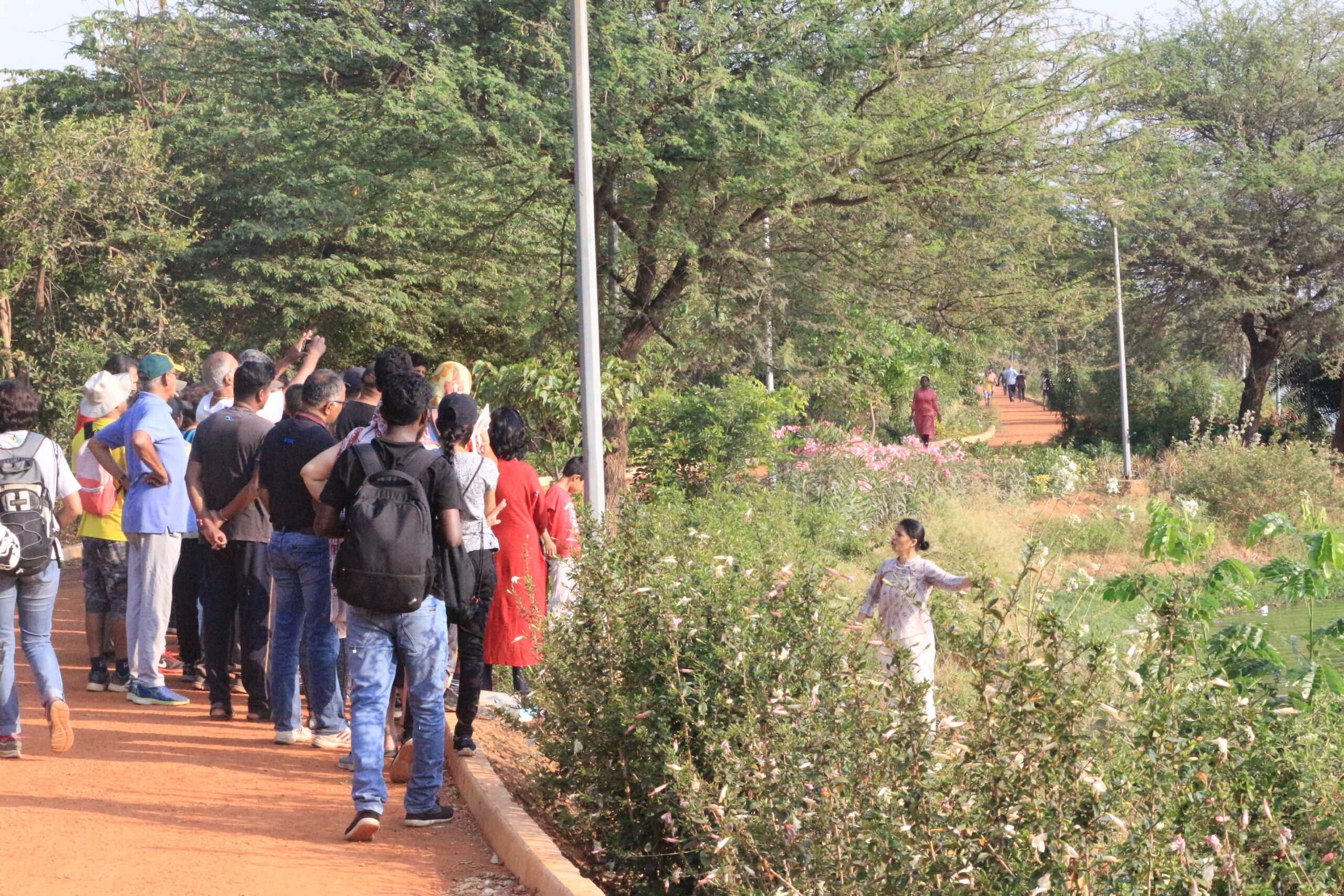
Bangalore’s Lakes: What Role do Citizens Play?
This publication is the third in a multi-part series on lakes that aims to provide a comprehensive overview of lake-related problems in Bangalore and approaches to address them. It describes the cr...
-
Lake Governance: The Pathway Forward
Indian cities are grappling with an ever-growing freshwater demand due to rapid urbanisation and exponential population growth. The treatment of the resultant wastewater has proved equally challeng...
-
Pathways for Building Climate Resilient Cities
Many Indian cities are already vulnerable to climate change. The financial damage from extreme events, like floods, heat, and drought is likely to be staggering. The urban poor will bear much of th...
-
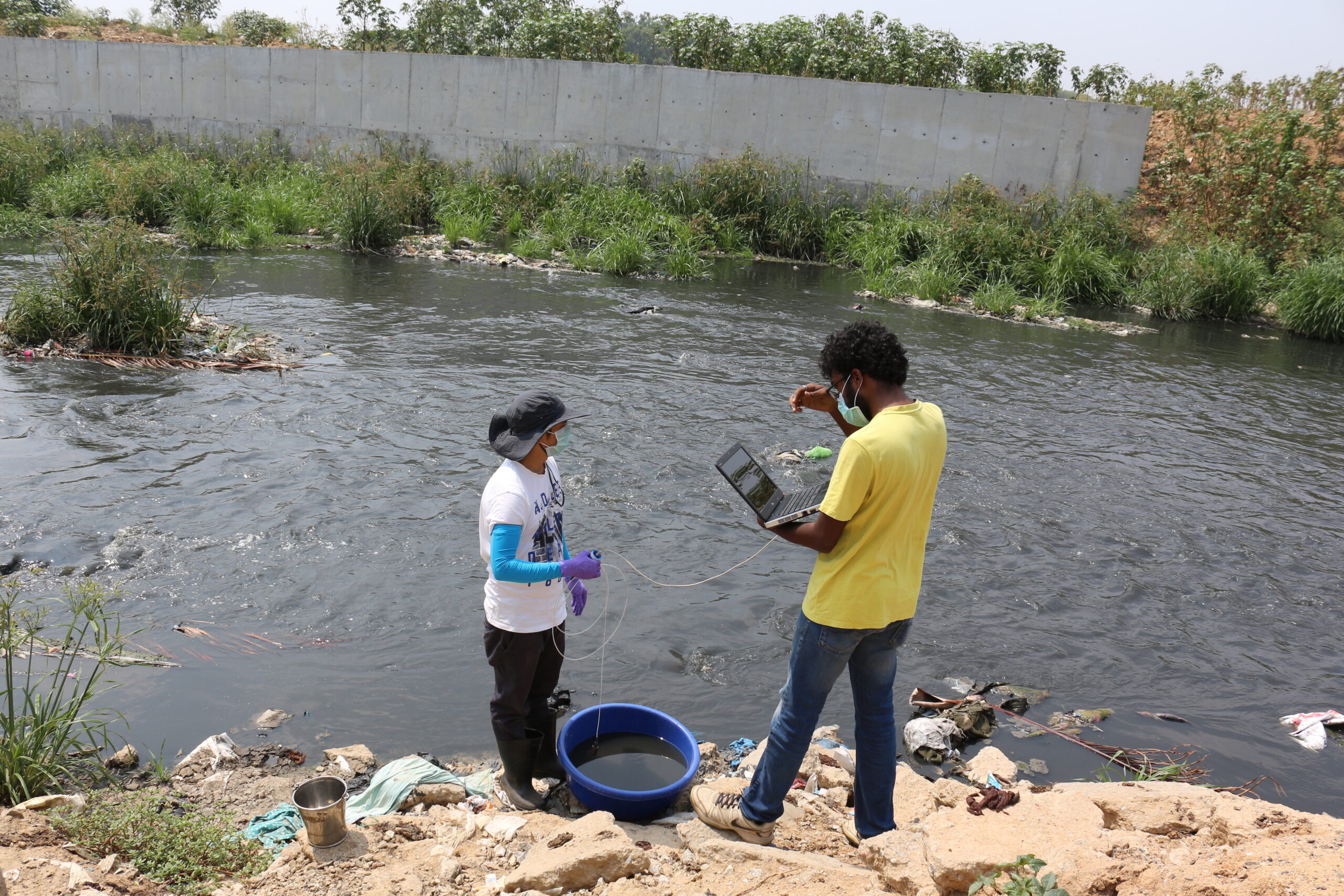
How Do We Manage Nutrient Levels in Urban Lakes?
This article is the sixth in a multi-part series on lakes that aims to provide a comprehensive overview of lake related problems in Bangalore and approaches to address them. This article discusses ...
-
Challenges and Opportunities in Residential Decentralised Wastewater Treatment and Reuse in Bengaluru
We explore the potential of decentralised sewage treatment plants, which are being promoted in cities like Bengaluru, to treat sewage at the source of generation
-
Phosphorus Balance Study at Jakkur Lake
We conducted a phosphorus balance study to understand the sources and sinks of phosphorus in Jakkur lake