
Raichur 2047: Imagining Flourishing Futures
Photo by Nanditha Gogate
The Raichur Visioning workshop invited residents and diverse, local stakeholders of Raichur to imagine the future of the city in 2047, the centenary year of India’s independence. The participants were asked to envisage what a flourishing future for farmers, youth, women, and Raichur district’s rural communities might look like. It aimed to move beyond short-term schemes and incremental fixes to collectively envision long-term transformations in agriculture and related livelihoods, land, water, and markets. The goal was to look beyond current constraints and build a shared picture to imagine possibilities that would enable equitable, sustainable, and climate-resilient futures. The intent was not to predict a single future, but to visualise multiple plausible futures that people in Raichur could imagine and shape.
The workshop brought together various stakeholders: farmers from both canal command and dryland areas, water users association representatives, panchayat representatives, civic leaders, government officials, researchers, practitioners from civil society organisations, and private-sector actors engaged in markets, inputs, and services. The diverse mix of participants enabled frank, cross-cutting conversations that ranged from transactions and schemes to shared values, aspirations, trade-offs, and roles.
This report details the method of the workshop, its proceedings, and insights generated.
Fill these details to access the publication
Acknowledgements
We extend our heartfelt gratitude to the farmers, community representatives, civic leaders, government officials, researchers, and civil society partners who participated in the Raichur 2047 visioning workshop. Their openness, insights, and imagination made it possible to collectively explore diverse pathways and futures.
We also thank Prarambha, our local CSO partner, and the Climate Adaptation and Resilience (CLARE) research programme, our donors, whose commitment and contributions have been instrumental in bringing this initiative to life.
This work was funded by UK aid from the UK government and by the International Development Research Centre, Ottawa, Canada as part of the Climate Adaptation and Resilience (CLARE) research programme. The views expressed herein do not necessarily represent those of the UK government, IDRC or its Board of Governors.
Published December 2025
Contributing Authors Ashima Chaudhary, Arjuna Srinidhi, Pavan Srinath, Syamkrishnan Aryan
Cover Image Nanditha Gogate
Photo Credits Nanditha Gogate, John Thompson
Editorial Review Pavan Srinath, Apuurva Sridharan
Report Formatting Kanishka Goyal
Follow us to stay updated about our work
Related Posts
Related Posts
-
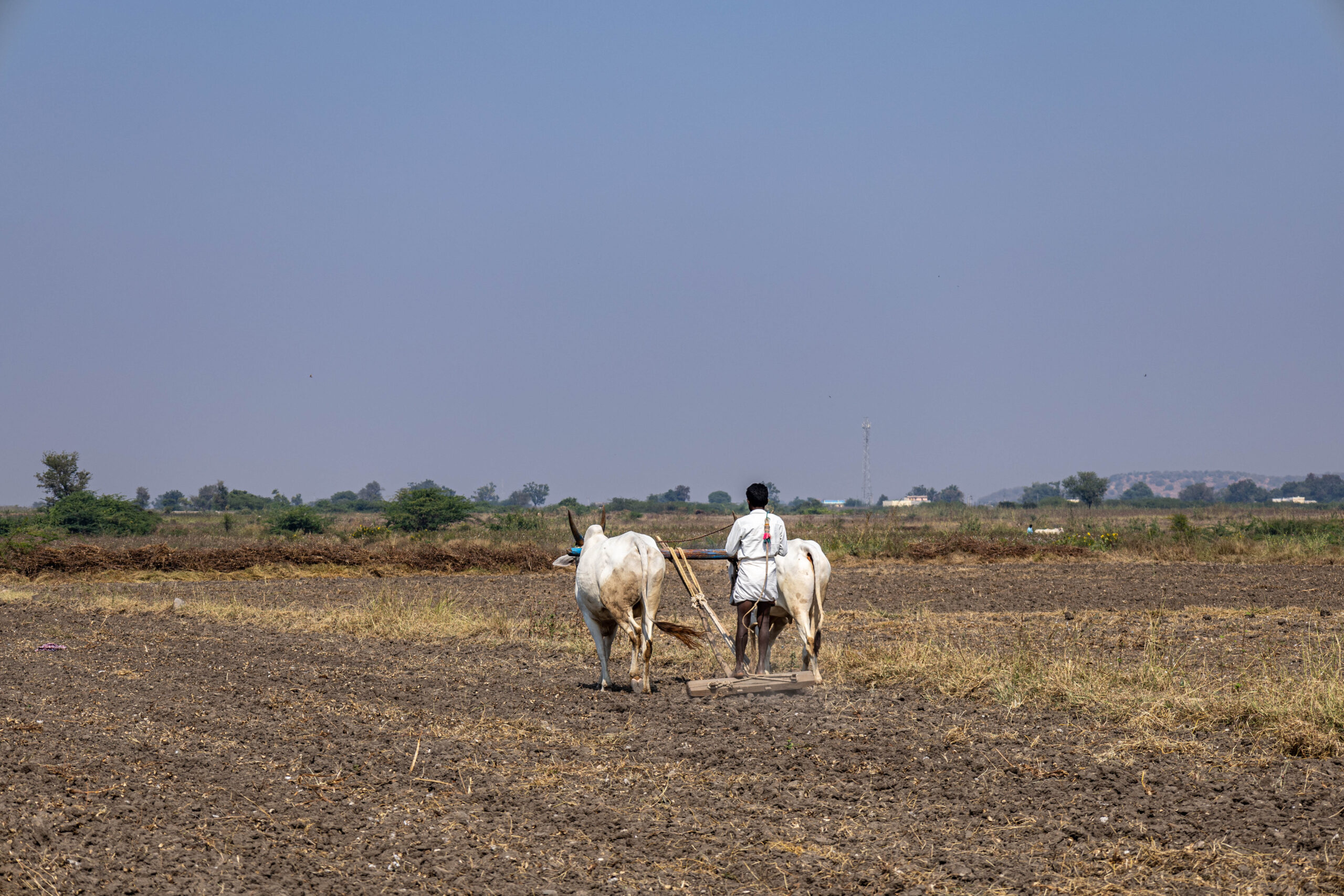
Situation Analysis: Raichur Transformation Lab
This situation analysis report explores the water management and agricultural challenges and solutions in Raichur district, Karnataka. It presents pathways to climate-resilient rural development.
-
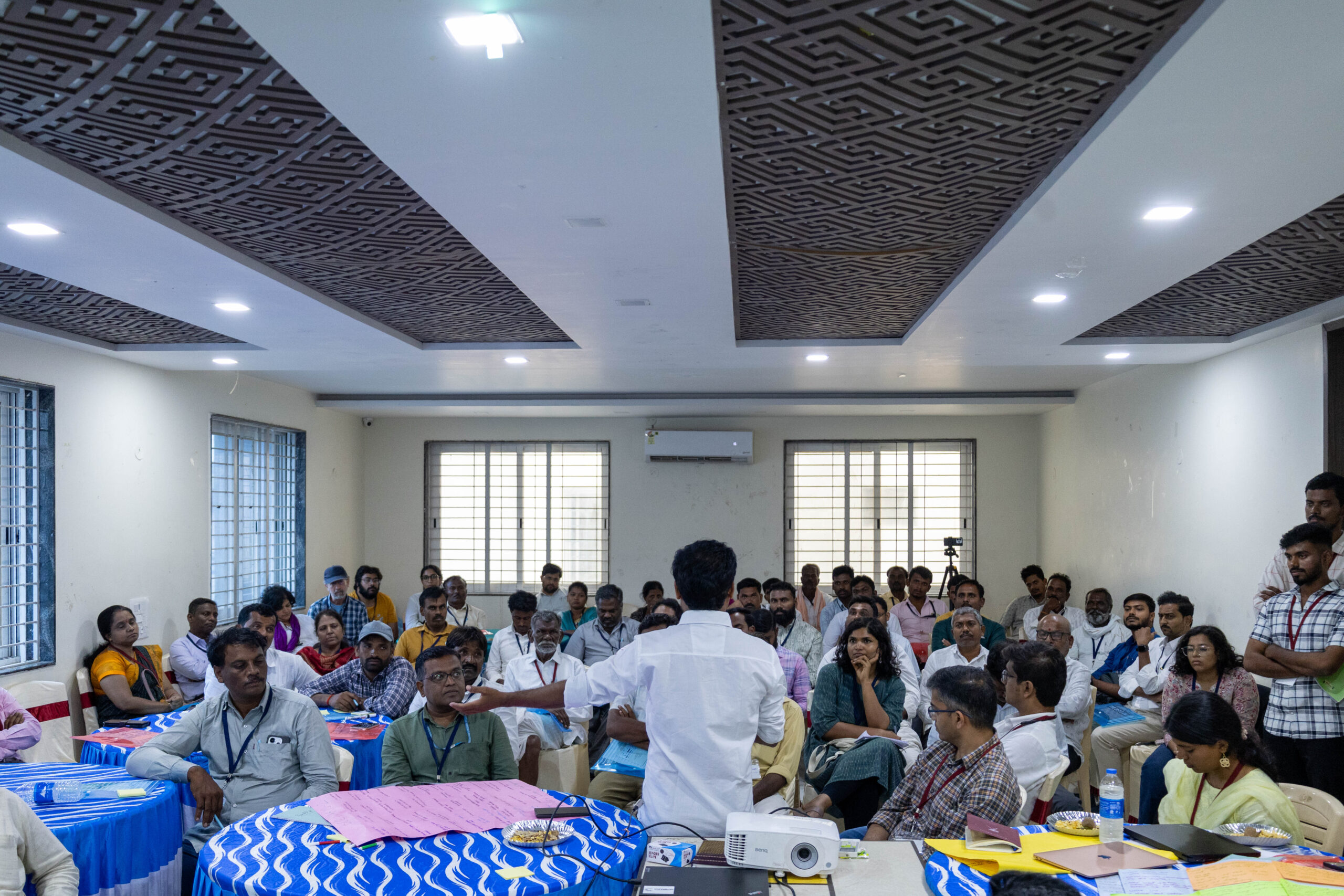
Raichur 2047: Imagining Flourishing Futures
The Raichur Visioning workshop invited residents and diverse, local stakeholders of Raichur to imagine the future of the city in 2047. This report details the method used, proceedings of the worksh...
-
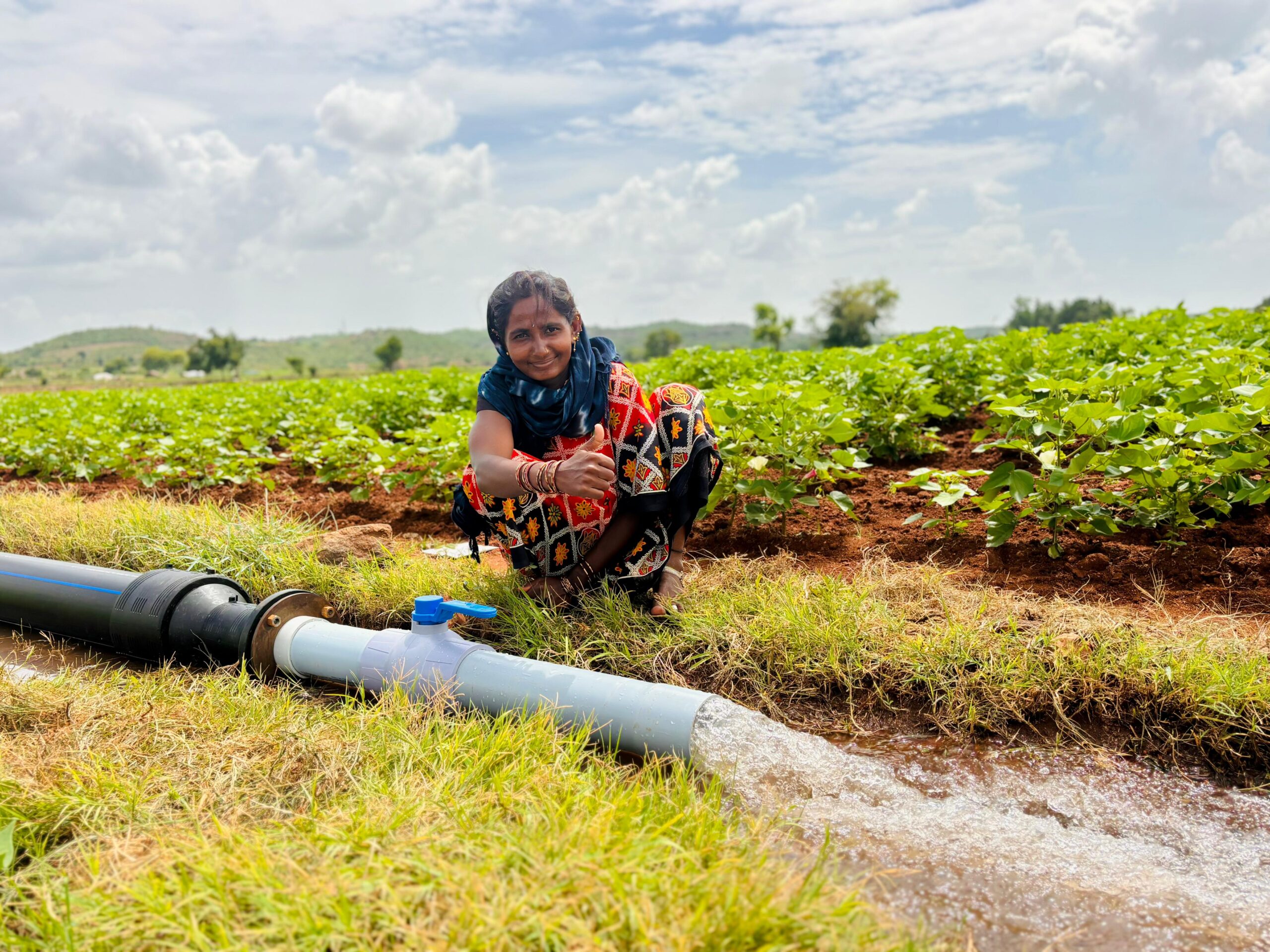
Building Community Expertise in Water Management: Insights From a Community Hydrology Programme in Raichur, Karnataka
When communities can measure and analyse their water systems, they are better equipped to make informed choices, negotiate water use, and participate meaningfully in local water governance institut...