
Blogs & Op-eds
Urban Water
Rural Futures
Technical Consulting
Futures Research
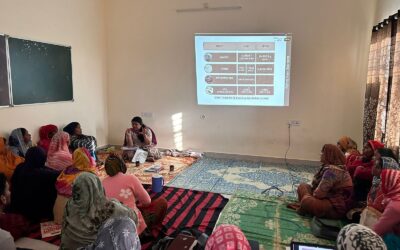
Downloading the Expert’s Brain: How to Decode Knowledge and Encode it into Solutions
Development practitioners sit atop a wealth of knowledge that goes undocumented. The Green Rural Economy is trying to make this more accessible.
How Can Social-Sector Organisations Find Solutions to Pressing Challenges?
The Green Rural Economy team experimented with various approaches to ensure social-sector organisations receive the help they need
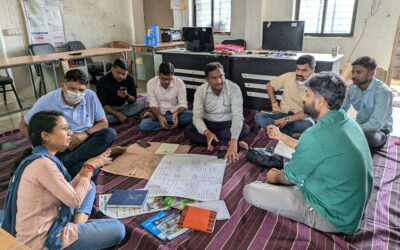
Lessons from Netflix Matchmaker ‘Sima Aunty’ for Nonprofits
How nonprofits can find effective solutions to grassroots challenges and propagate these solutions to newer contexts
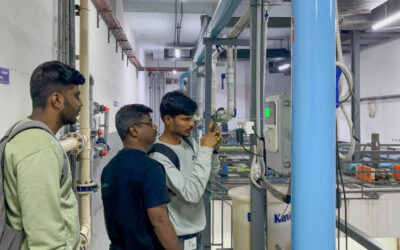
How Can We Engage Communities to Conserve Water in Bengaluru?
The Green Star Challenge promotes water sustainability in Bengaluru by acknowledging and promoting communities’ and institutions’ conservation efforts
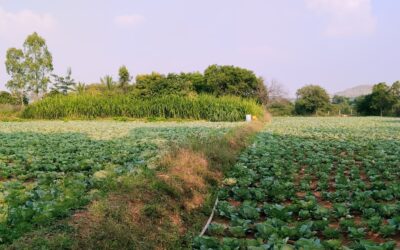
Crop Diversification: A Win-Win Approach for Farmers and the Environment
Crop diversification could be the key to economic and environmental resilience amid climate change and market volatility. Meet farmers from Chikkaballapur, Karnataka seeding a more sustainable future.
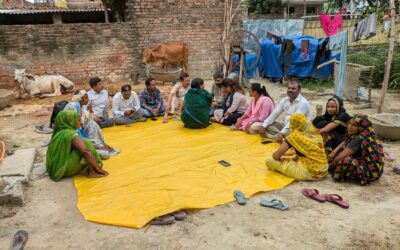
The Green Rural Economy Initiative: ‘Servicifying’ the Social Sector
Building a service-ready rural economy by enabling knowledge-sharing, breaking rigid solution models, and connecting grassroots problem solvers with seekers.
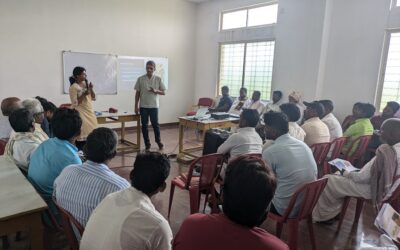
Bridging Knowledge and Action: The Community Hydrology Approach
WELL Labs’ community hydrology programme addresses the critical gap between the scientific study of hydrology and its practical applications for water management in Karnataka’s semi-arid regions.
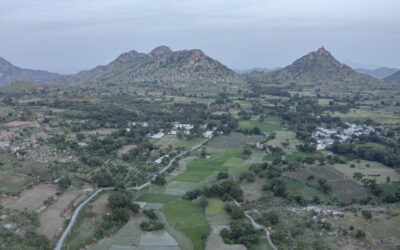
Transforming Rainfed Agriculture with Groundwater Collectivisation
WELL Labs and Environmental Defense Fund are assessing a groundwater collectivisation programme designed to promote equitable and resilient management of shared water resources.
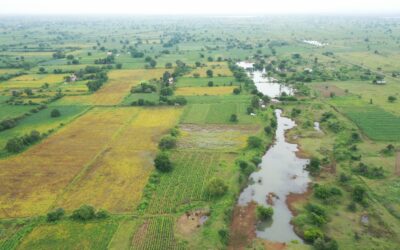
Can Recharge Pits Address Waterlogging and Drought in Marathwada? | Initial Insights
Recharge pits aim to tackle waterlogging and groundwater recharge in Jalna’s black soil regions, but design improvements are critical for sustained impact.
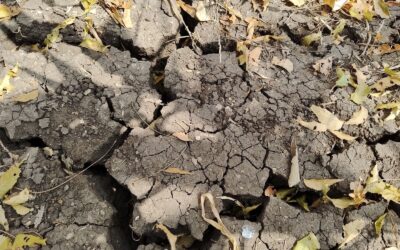
Unpredictable Rainfall Makes Farming in Marathwada Even Harder
Published in The Hindu
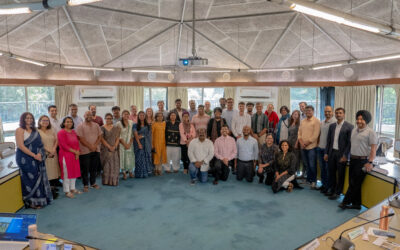
Transforming Monitoring, Evaluation, and Learning in the Water Sector: Lessons from the MEL Roundtable
At the MEL Roundtable experts discussed how monitoring, evaluation, and learning practices can transform water security efforts in India.
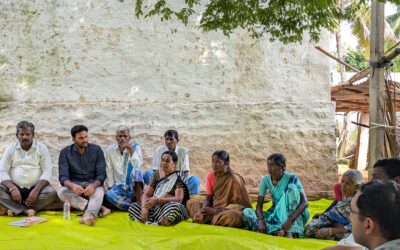
GRE Success Stories: Fostering Collaboration for Rural Development
The GRE Clinic has proven to be a catalyst for meaningful collaborations between organisations dedicated to rural development and sustainability.

Building Climate-Resilient Cities with Nature-Based Solutions
In part 3 of this blog series, we look at how nature-based solutions (NbS) can help urban India mitigate and adapt to heat and water stress. We also delve into the work we are doing on NbS.

Bengaluru Has the Highest Number of Decentralised Sewage Treatment Plants Globally. Are They Effective?
WELL Labs and Eawag surveyed decentralised sewage treatment plants in the Yelahanka zone of northern Bengaluru to understand the challenges in urban wastewater treatment and reuse.
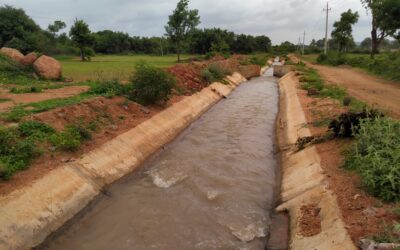
Why Farmers’ Control on Canal Water Is Key to Solving Agrarian Distress in Raichur
Published in The Wire
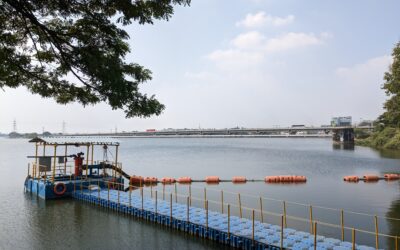
Grey to Blue: What Can Bengaluru Learn From Chennai on Tertiary Treatment of Wastewater
Chennai’s Nesapakkam plant is an important project we need to evaluate and consider replicating in other cities because it converts wastewater to potable quality
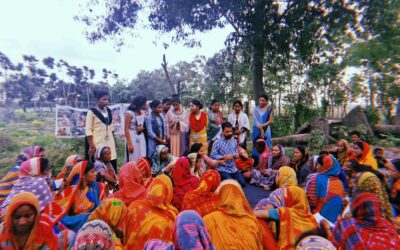
The Odisha Sandbox: Advancing the Green Rural Economy Through a Place-Based Approach
By integrating the sandbox concept into the Green Rural Economy platform, we aim to create a structured environment that fosters innovation, collaboration, and the practical testing of solutions.

Making Every Drop Count
Published in The Water Digest
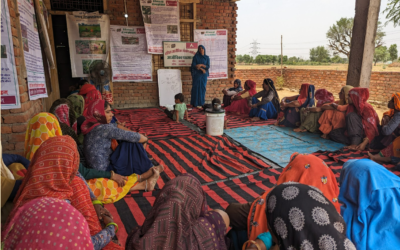
From Pilots to Scale: We Are Documenting Knowledge to Spread Effective Rural Solutions
WELL Labs has partnered with the Axis Bank Foundation to create playbooks, which could be how-to manuals, instructive videos and audio libraries for rural communities to learn and implement new solutions.
Why do parts of Maharashtra experience different water stress levels?
Published in The Hindu