
Communications and Development
The communications and development team brings together stakeholders to help WELL Labs scale science-based solutions for society and the environment.

Our Work
Join Our Community
Publications
Team
Our Work
We amplify research insights and evidence-based best practices for social impact and innovation
Communicate effectively to bridge the gap between research and impact
Build communities of champions to scale science-based solutions
Disseminate evidence-based strategies and how they can be adapted to varying contexts and geographies
Showcase the achievements of our partners
Promote science communication in multiple languages for diverse audiences
Publications

Flood Science and Management with Dr Günter Blöschl
Stockholm Water Prize 2025 winner Dr Guenter Bloeschl shares a masterclass on the science and management of floods on the third episode of Season 2 of the Water Data Podcast

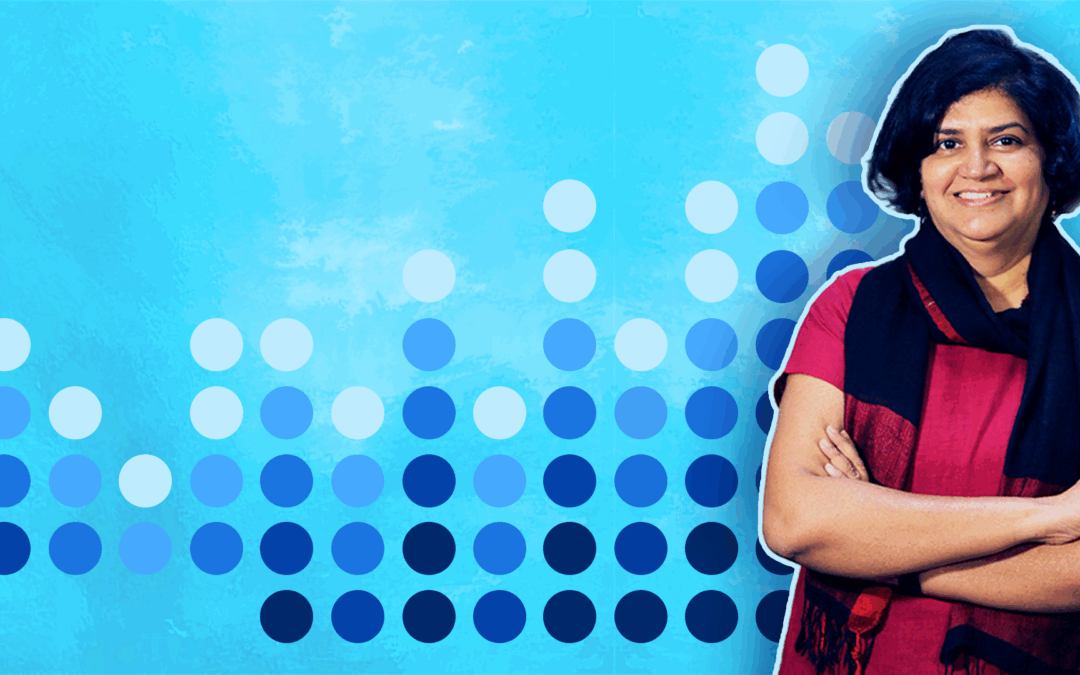
Groundwater and Markets with Dr Soumya Balasubramanya
Dr Soumya Balasubramanya has a wide-ranging discussion with host Veena Srinivasan on the second episode of Season 2 of the Water Data Podcast.
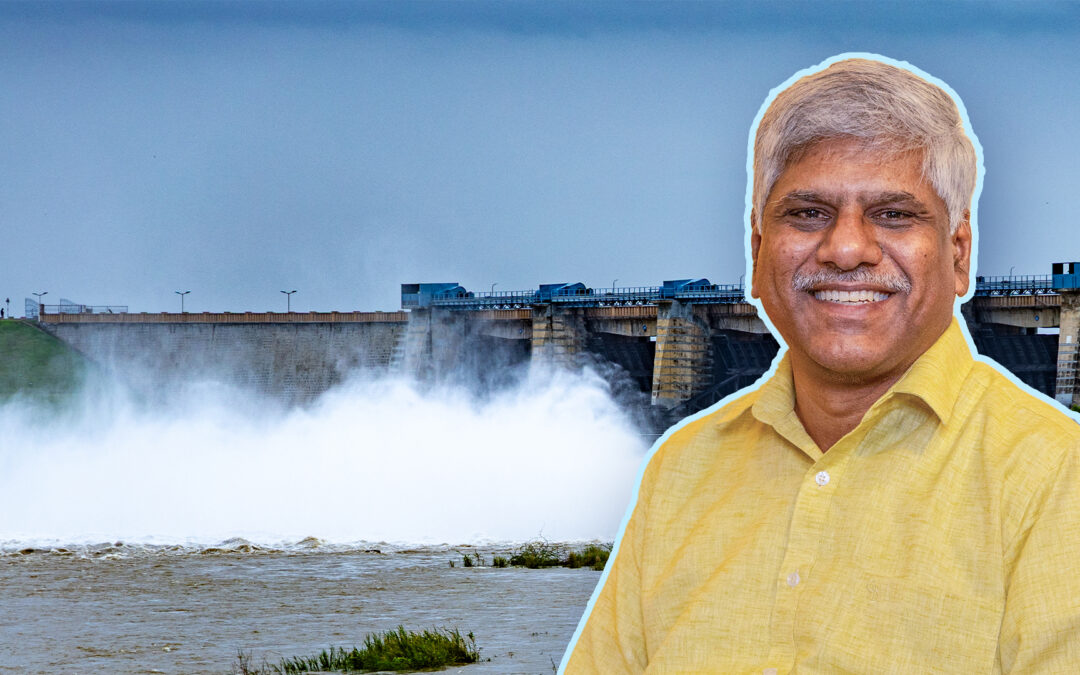
Governing Water Resources with Dr Somasekhar Rao
Dr Somasekhar Rao has a wide-ranging discussion with host Veena Srinivasan on the first episode of Season 2 of the Water Data Podcast.
Welcome Back to the Water Data Podcast!
The Water Data Podcast is a talk show on the science, systems, and stories of water hosted by Veena Srinivasan. Every other Tuesday, sit down and listen to researchers, innovators, government officials and business leaders working on the forefront of water systems.
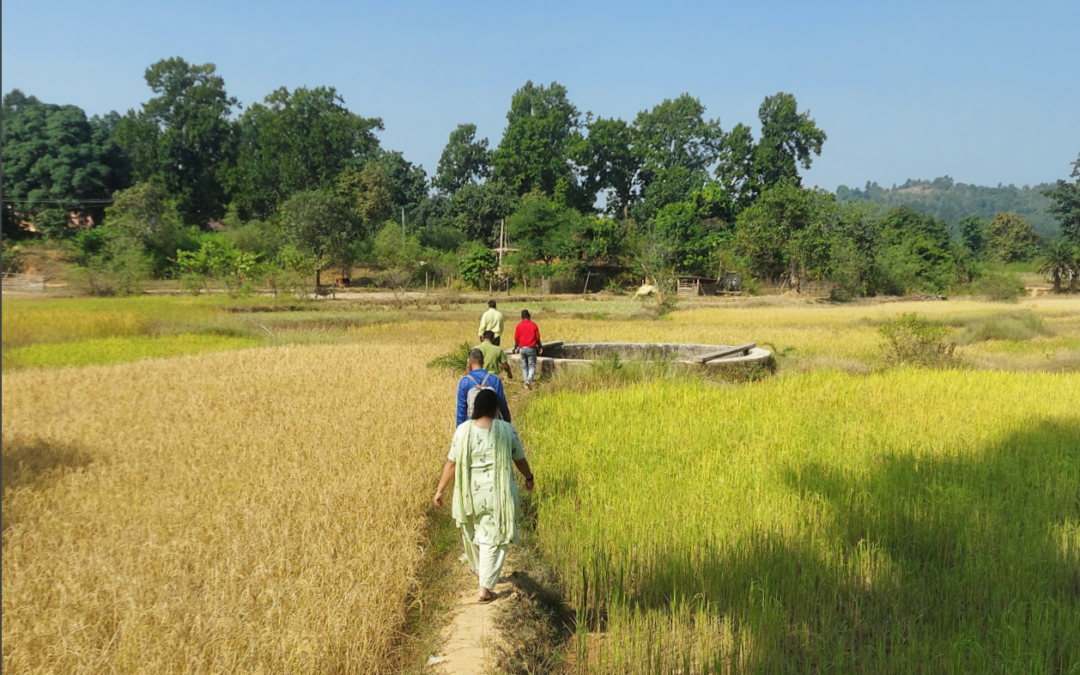
Reflections on WELL Labs’ Journey: Year in Review and the Path Ahead
How do we solve environmental and social challenges at a large scale? We identified four challenges the social impact sector needs to address.
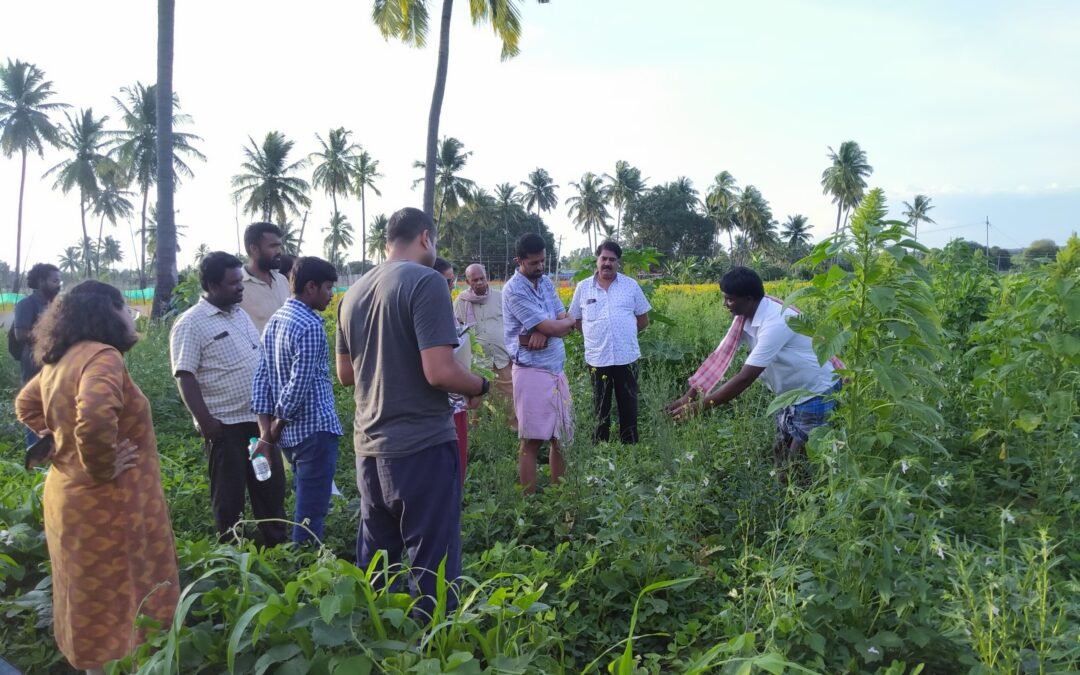
GRE Clinics: Matchmaking in the Development Sector
Under the Green Rural Economy initiative, we started 'clinics' to bring together people who need support or a service, and people who can help them.
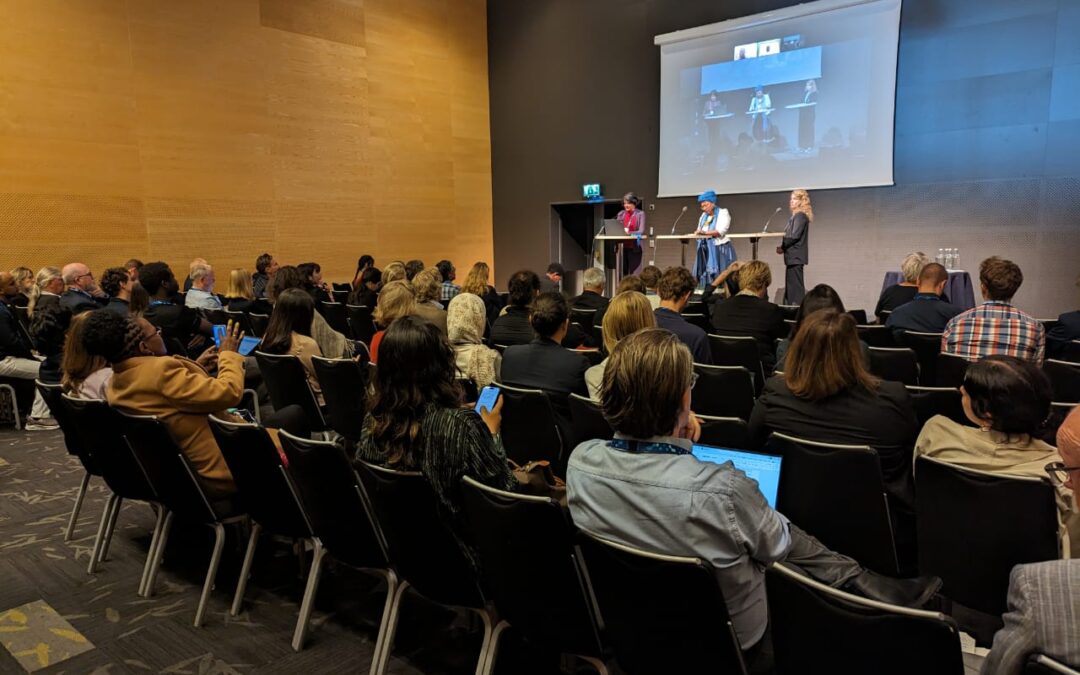
Beyond the Jargon: 10 Key Takeaways from World Water Week 2023
WELL Labs Executive Director, Dr. Veena Srinivasan, led sessions on water and agriculture at World Water Week 2023, an annual event on global water issues organised by the Stockholm International Water Institute. She sums up 10 key insights from this year's event in this blog post.
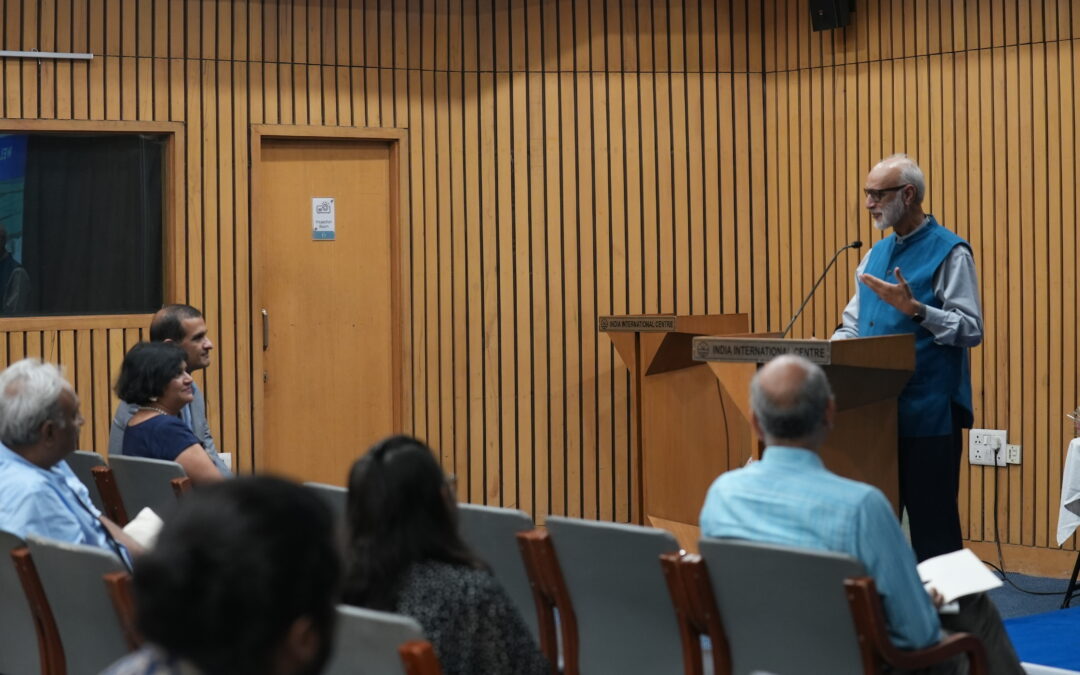
We Need More Agricultural R&D: Dr Ashok Gulati at WELL Labs Launch
Leading agricultural economist Dr. Ashok Gulati spoke about water use in agriculture and the need for innovative policies at the launch of WELL Labs, a new environmental research centre at IFMR.
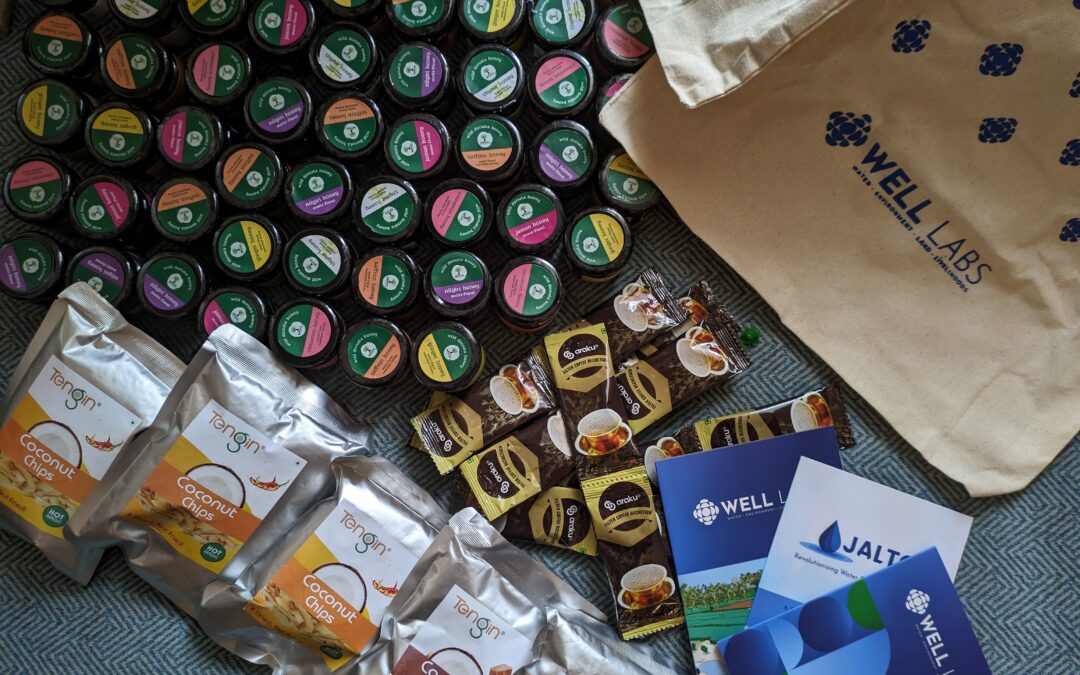
Coconut Chips to Wild Honey: When Consumers Demand, Food Producers Supply
The goodie bag we put together as part of our launch event in New Delhi is filled with examples of future food consumption pathways that might provide win-wins for people and the planet
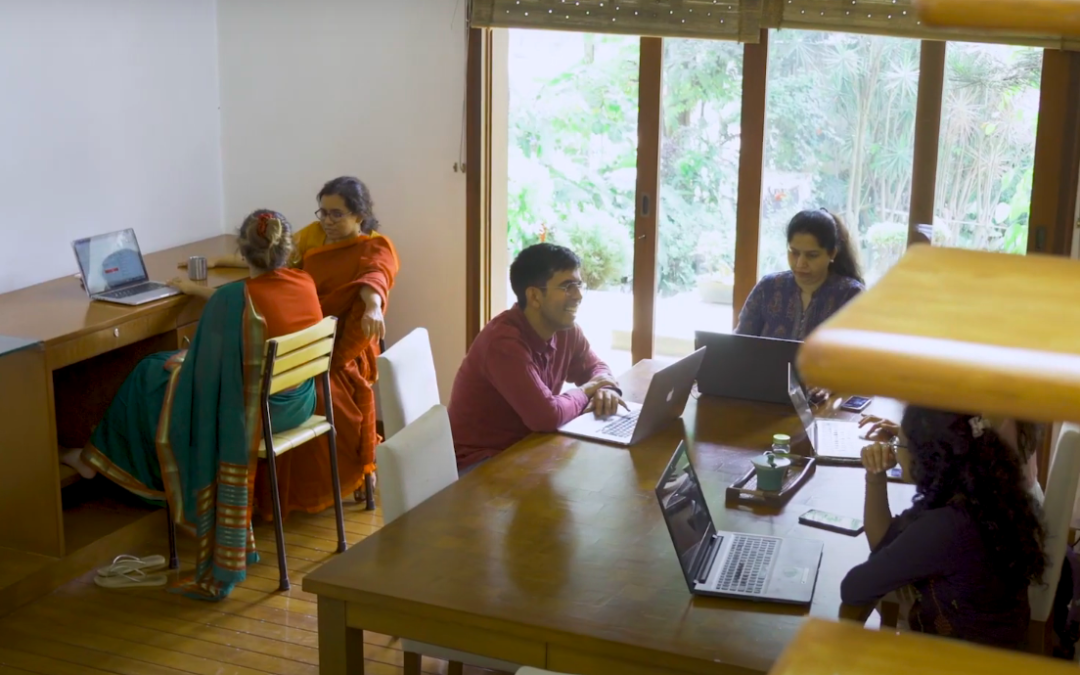
People and Culture: Our Ways of Working and What We Are Looking for in WELL Labs Candidates
We spent time thinking about how we should function and what we should prioritise to hold ourselves to high standards of performance, professionalism, integrity and accountability.
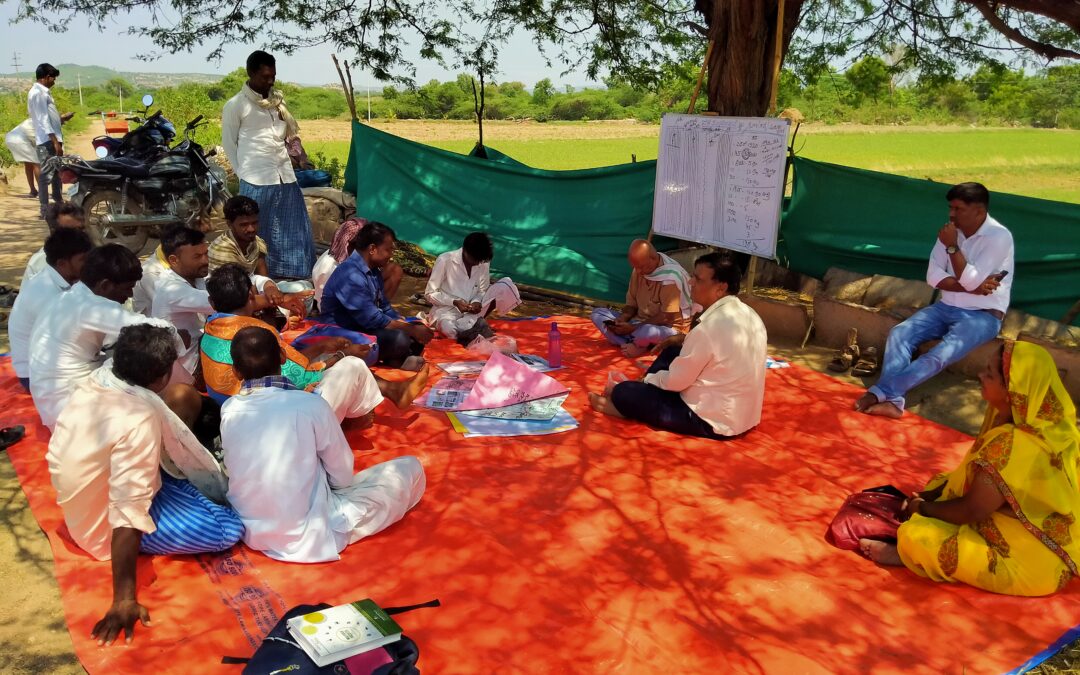
Valuing Non-Profits and Making Social Stock Exchange Work
Published in The Hindu BusinessLine
The Ease of Doing Sustainability
No one wants to destroy the planet. People just want to avoid getting sick or spreading disease more than they want to save the planet.