
India Research Corps: Research that Delivers Change
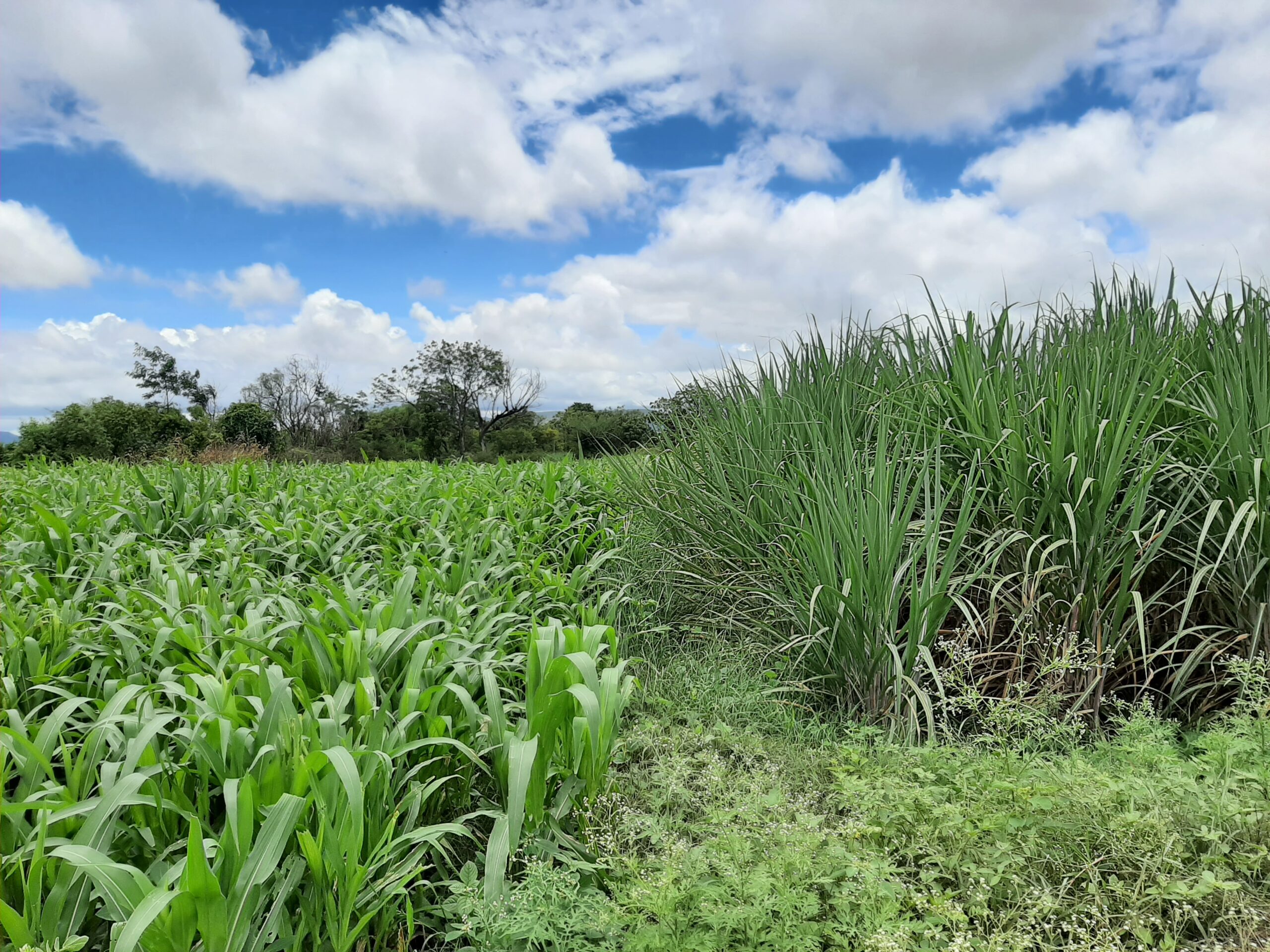
Scaling solutions in the water sector is often difficult due to a lack of credible, context-specific evidence | Image: WELL Labs
There is no dearth of challenges that ail India. In just the water and its allied sectors, civil society organisations and government agencies are working tirelessly to address complex and interconnected issues. Despite substantial investments, scaling solutions is often difficult due to a lack of credible, context-specific evidence.
At the same time, a substantial body of academic work is being produced. While important in its own right, much of it lacks clear pathways to benefit the communities it seeks to serve.
This disconnect between implementers and researchers is driven by a mismatch in incentives. Governments and civil society organisations are rewarded for delivering tangible outcomes within short timeframes, while academia is rewarded for novelty and theoretical rigour. The incentives, timelines, skill sets, and funding channels to answer pressing research questions rarely align. In the absence of an intermediary, critical research questions remain unanswered, and promising young researchers remain under-supported.
India Research Corps (IRC) aims to be a knowledge broker that can act as an effective intermediary
A WELL Labs initiative, IRC is designed as an action research marketplace for the water sector. IRC curates critical research questions posed by governments and CSOs that have clear implications for action on the ground. Each curated question is matched to a Master’s student or fresh postgraduate who is skilled at solving for them. Questions remain open until they are matched.
Over six to twelve months, these India Research Scholars are provided with a rigorous induction and mentorship to ensure that their work meets both scientific and operational standards. They are paid a stipend during the active part of the programme to ensure their efforts are aptly compensated. Final outputs are a research brief and a presentation deck, which contain a set of actionable insights that provide the client clear next steps. The Scholars also make a capstone presentation to the client organisation to bring their engagement with IRC to an end.
The hypothesis is simple: when research questions are curated and methodologies are vetted, it results in more actionable knowledge that can be positioned for use.
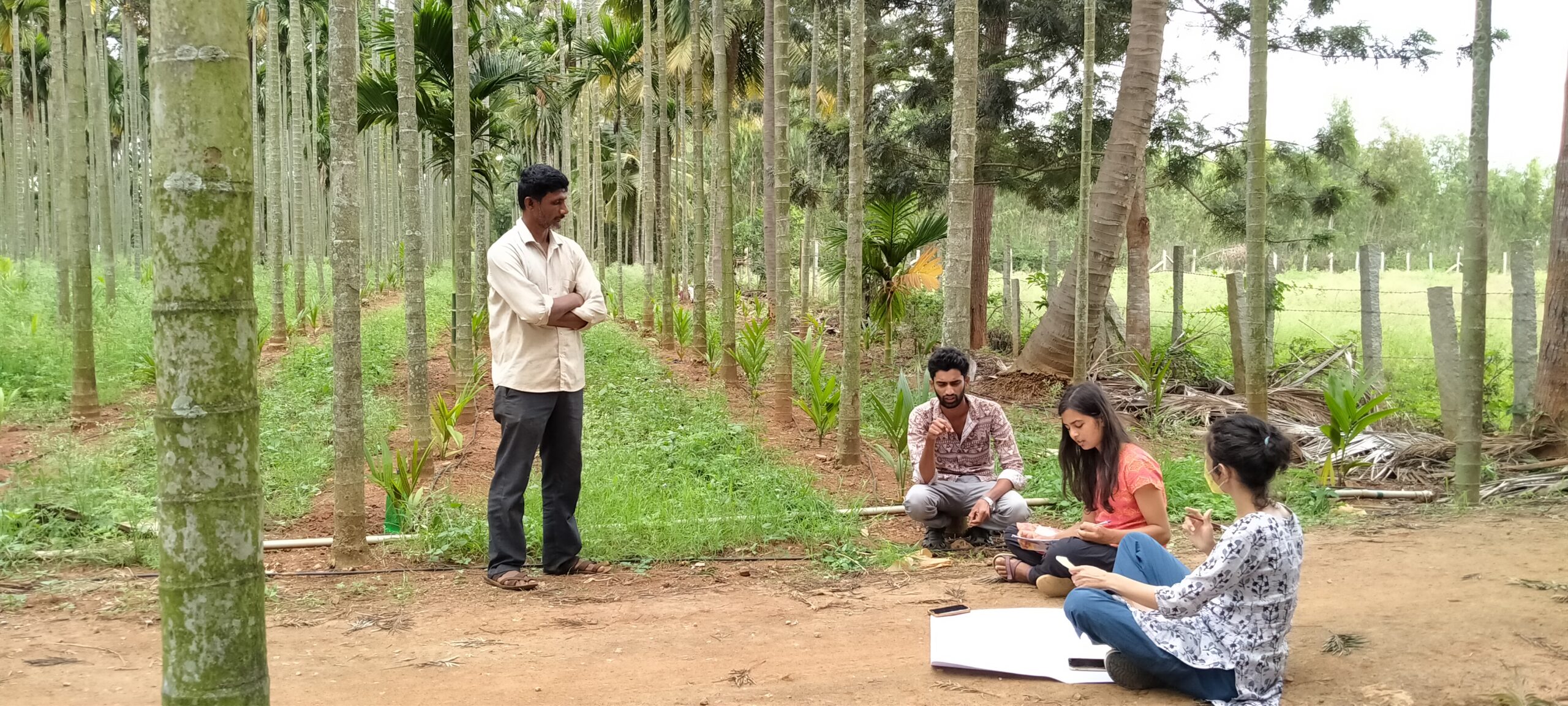
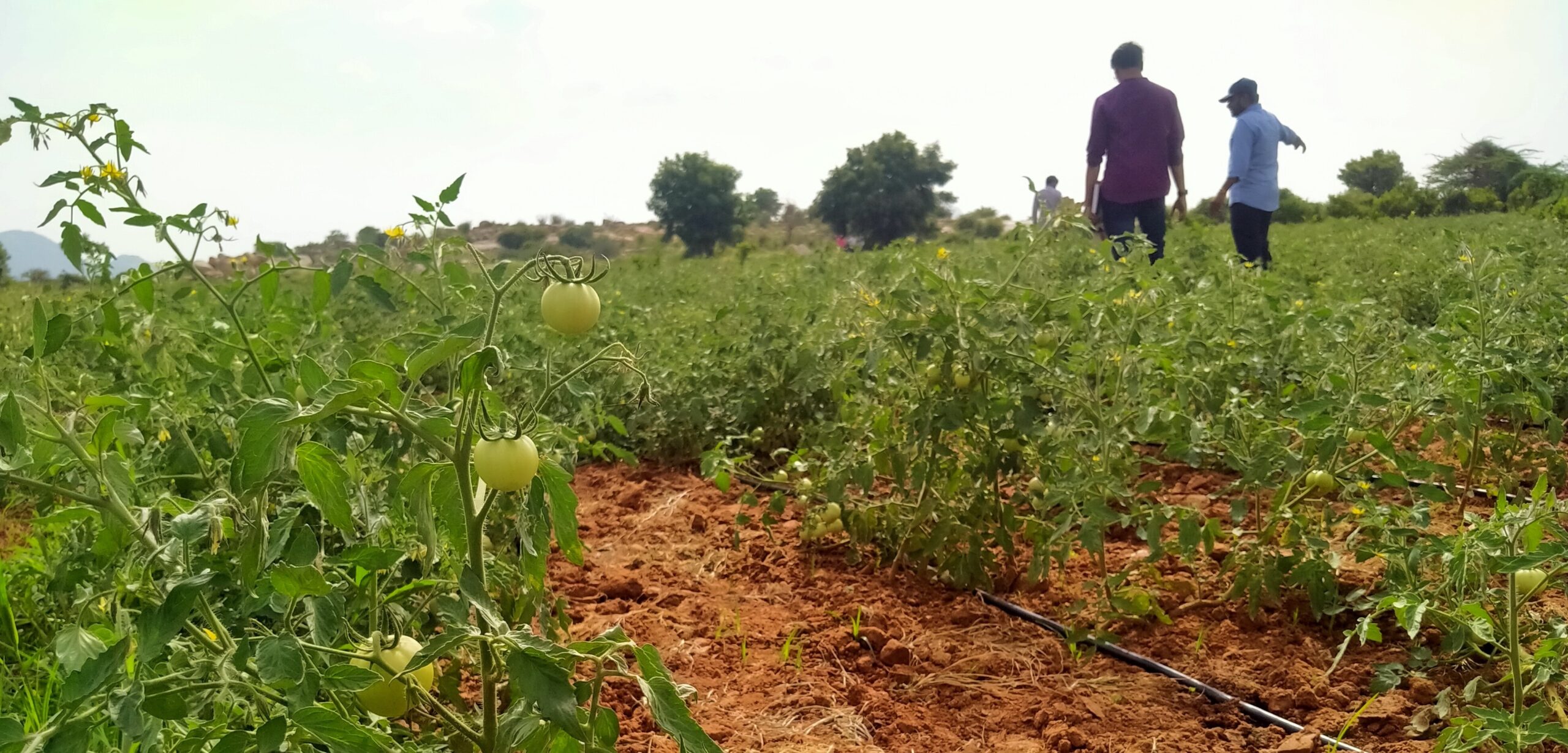
Each curated question is matched to a Master’s student or fresh postgraduate who is skilled at solving for them | Image: WELL Labs
Our first long-term aim is to address evidence gaps in the water sector through rigorous action research
We work closely with implementers to sharpen broad problem statements into SMART (Specific, Measurable, Actionable, Relevant and Time-bound) research questions, refine scope, clarify constraints, and define expected outputs based on what the research must inform. Whether it is mapping water-scarce regions using remote sensing to inform irrigation plans, evaluating systems-level change around farming practices and agroecology to improve watershed management, or using modelling to inform policy design: each research question is framed to produce actionable insights.
For this, we support the full cycle of research design, implementation, and dissemination that balances rigour and usability. The induction module introduces Scholars to conceptual modelling, scope definition, research methodology, field planning, data management, and actionable communication of research findings. WELL Labs team members ‘own’ each question internally, ensuring technical rigour in the research process. In addition, the IRC team and a network of subject matter experts and seasoned practitioners mentor and guide the Scholars.
Our second long-term aim is to capacitate the next generation of action researchers in India
Early-career researchers often lack structured exposure to action research, which demands both methodological rigour and accountability to the communities they serve. IRC provides this bridge.
For the duration of their engagement with IRC, Scholars are embedded within a supervised research ecosystem that demands clarity of thought, methodological discipline, ethical field practice, and effective communication. IRC provides them the opportunity to translate broad development challenges into testable hypotheses, design robust methodologies, manage field realities and practical constraints, and articulate findings in a way that answers the client’s core question. In doing so, Scholars not only hone their technical skills, but also gain foundational experience in what working in the action research sector in India actually entails.
A structured mentorship model ensures that Scholars are challenged, supported, and held to high standards while clients receive outputs that are rigorous, credible, and context-sensitive.
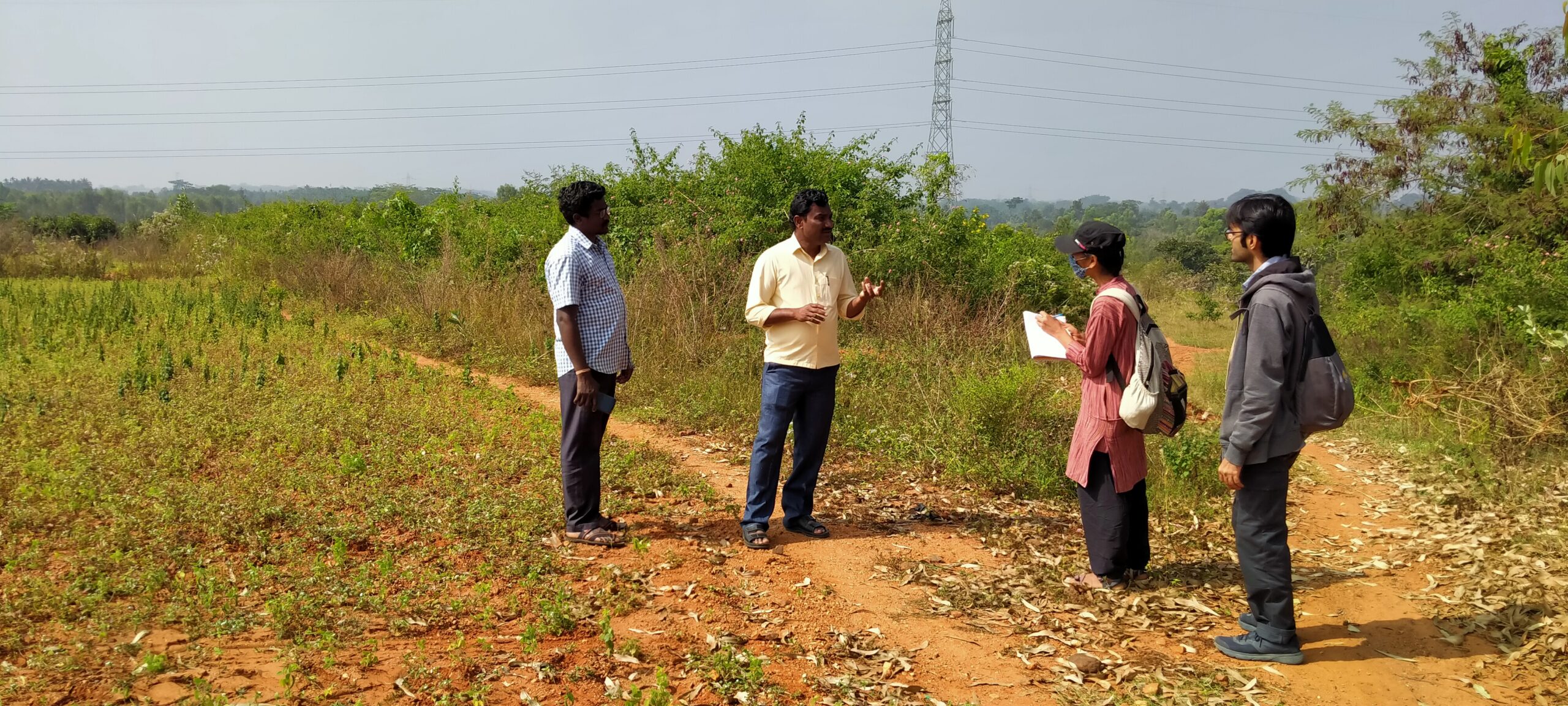
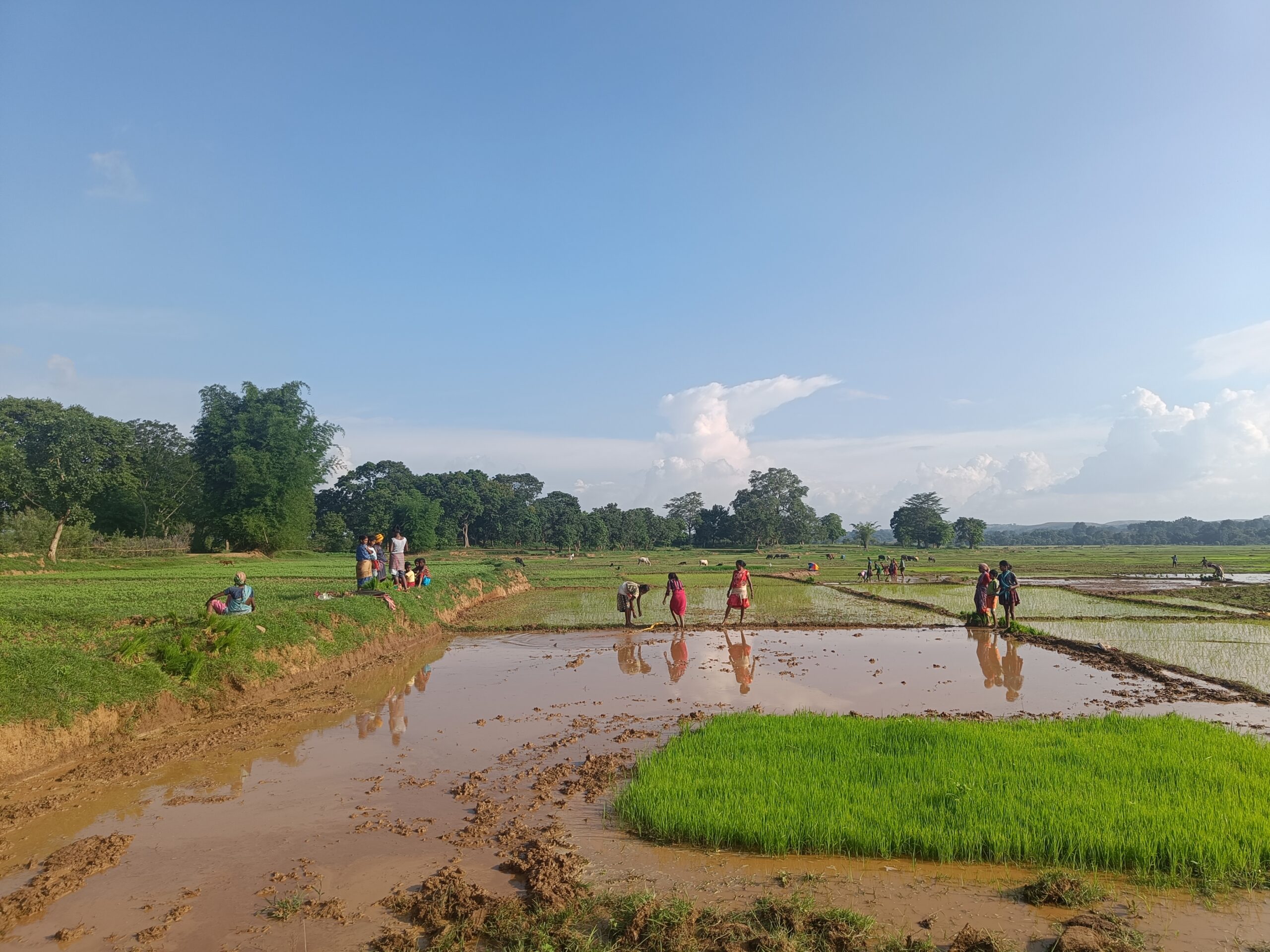
India Research Scholars gain foundational experience in what working in the action research sector in India entails | Image: WELL Labs
We invite students, clients, and mentors to participate in building India Research Corps together
If you are a government agency or CSO grappling with unanswered questions, submit them here.
If you are a Master’s student or fresh postgraduate in the field of engineering, policy, or social sciences, seeking to work on real-world water challenges, express interest through this form.
If you are an academic or a seasoned practitioner interested in guiding and shaping the next generation of action researchers in India, email us at welllabs.irc@ifmr.ac.in.
Acknowledgements
This work is supported by Rainmatter Foundation, International Development Research Centre (IDRC) Canada, and Amansa Capital Pte. Ltd.
Authored by Aishwarya Joshi
Edited and Published by Nanditha Gogate
Follow us to stay updated about our work
Related Posts
Related Posts
-

Can Farmers Make More Money While Using Less Water?
Farmers need to be able to transition to crops that use less water but yield a higher profit. This was the basis of an agent-based modelling exercise we did in six states.
-
Five Lessons We Learned As An Ecosystem Builder
Ecosystem builders connect, empower, and collaborate with others to lift up the whole community to achieve its potential.
-
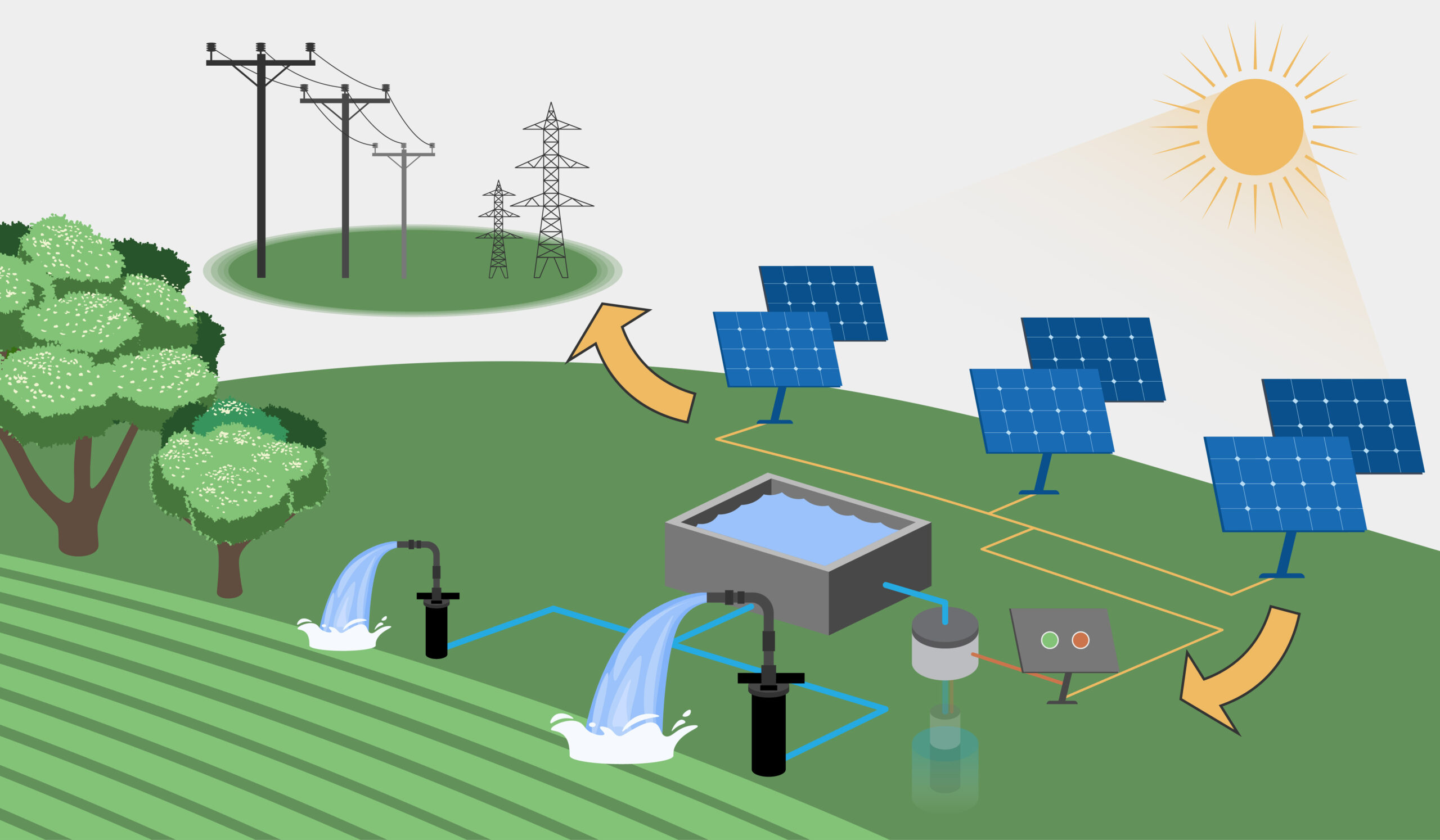
How Are Farmers Likely to Respond to Solar Irrigation? Insights from Our Modelling Exercise Covering 6 Districts
To our knowledge, this is the first research study that has attempted to apply the agent-based modelling method in the context of solar irrigation and its likely impact on farmers’ incomes and grou...
-
Data to Insights: WELL Labs Tool Sifts Through Crop Statistics and Finds Cropping Patterns Within
In this blog, we explain how to use the agricultural statistics tool we developed that makes it easy to read and interpret data and thus build a more complete picture of a landscape and its croppin...
-
Can Playbooks Promote Green Rural Livelihoods? Insights from Conversations With CSOs
Under the Green Rural Livelihoods project, we are working with Rainmatter Foundation to create how-to guides and playbooks.
-
Field Notes from Lohardaga: How a Grassroots Organisation in Jharkhand Shares Knowledge
As part of the Green Rural Economy project, we visited Lohardaga and got insights from the ground on how grassroots organisations like PRADAN support local communities with best practices on land a...