
Why Nature-Based Solutions Must Balance Ecology, Economy, and Community
Benjakitti Forest Park, Bangkok, Thailand. Photo by Shashank Palur
Most environmental projects are well-intentioned, but often overlook holistic planning or long-term effectiveness.
For instance, the Government of Maharashtra’s plantation drive in 2006 sought to increase green cover, but a decade later, the plantations failed in more than two-thirds of sites.
Projects that do not consider ecological, economic, and social aspects often risk failure or worse, unintended harm. Lake restoration projects might focus on water storage or beautification, but overlook underlying ecological or social dynamics. Such a narrow approach might not succeed in addressing pollution, biodiversity loss, or communities’ needs.
While nature-based solutions (NbS) have the potential to provide multiple benefits, realising this potential requires integrated planning rather than focusing on a single benefit.
Nature-based solutions use natural ecosystems or processes to address societal challenges. They yield a range of benefits, which can be grouped as:
- Ecological: NbS sequester carbon, foster biodiversity, filter water and air, and build resilience against climate risks like floods, heat waves, and droughts.
- Economic: NbS create green jobs and sustainable livelihoods, with positive spillovers for the local economy. By mitigating disaster risks and damage, they protect investments and reduce recovery costs.
- Social: By providing clean air, water, and recreational spaces, NbS improve public health and mental wellbeing. Community-led design and inclusive practices foster social cohesion and equity.
While each aspect offers undeniable value, prioritising one at the expense of others can lead to inefficient, unjust, or even harmful outcomes.
Dangers of Focusing Only on Economic Gains
1. Focusing solely on economic value fails to capture advantages that are difficult to put a price tag on.
When projects are judged only on monetary terms, benefits like improved mental health or social cohesion risk being ignored. Neglecting these dimensions can lead to low investments in solutions that could provide multifaceted returns for people and nature in the long run.
2. An economic-first lens can lead to trade-offs that compromise the core goals of NbS.
Consider the Green Indian Mission, a national programme with the objective of expanding forest and tree cover by 5 million hectares and creating a carbon sink of 50–60 million tonnes of CO2. This large-scale tree planting may focus on fast-growing monocultures for quick economic returns rather than supporting diverse, naturally regenerating forests. Such approaches may sequester carbon quickly, but degrade soil, strain water resources, reduce biodiversity, and inhibit traditional land uses. The short-term gains often come at the cost of long-term resilience.
3. When profits or carbon credits become the primary goal, communities may face dispossession in the name of conservation.
In some cases, NbS projects have appropriated land and resources, restricted access to forests and lakes, and displaced indigenous or marginalised groups. In November 2023, for instance, a conservation scheme in Kenya that focused on generating carbon credits forcibly displaced members of the Ogiek community. Inclusive, community-led governance and strong legal protections could help prevent such outcomes.
4. Paying attention only to economic advantages can underestimate or leave out long-term gains, skewing cost-benefit analyses.
Certain advantages of NbS, such as increased biodiversity, soil fertility, and climate resilience, often accrue over decades. These long-term effects are frequently underestimated or left out of economic analyses, especially when compared to conventional, engineered solutions, which may have more immediate, albeit limited, payoffs.
Dangers of Focusing Solely on Ecological Benefits
An ecological foundation is critical for NbS, but when it becomes the only focus, projects may alienate people, create economic blind spots, and even harm ecosystems.
1. Projects prioritising ecology while neglecting the other two aspects can stifle socioeconomic development and entrench poverty.
For instance, China’s programmes for ecological restoration allocated 143 million hectares, accounting for 15% of China’s total land area. From 2006 to 2016, 8 million people were forced to relocate from the newly established reserves. As a result, many became unemployed and their quality of life suffered.
The afforestation component of the Three-North Shelter Forest Programme, intended to combat desertification, has incurred a net loss of CNY 230.8 billion. However, fruit-tree plantations and protecting vegetation under the programme yielded significant gains because of their high product value and low restoration cost, respectively. That is why cost-benefit analyses need to take into account the multidimensional nature of NbS.
2. Without sustainable financing and integration with local livelihoods, many NbS projects wind up prematurely or fail to scale.
A recurring challenge for NbS projects across India is the lack of a budget allocation for operations and maintenance. Coupled with limited community participation in upkeep, it can lead to projects being abandoned over time.
3. Positioning NbS as the only solution for ecological challenges can perpetuate the misconception that environmental interventions alone are sufficient for climate action.
It can deflect attention from the urgent need for systemic economic transformation and rapid decarbonisation. Moving away from fossil fuel-based economic systems requires restructuring production and consumption, fundamentally reforming industrial processes, and investing in sustainable energy production. NbS can help meet approximately one-third of the climate mitigation targets for 2030, but the rest must come from the economy’s decarbonisation. NbS deliver optimal benefits when integrated with systemic reforms, so treating them as a substitute can delay the extensive decarbonisation required to keep the planet habitable.
4. Projects that ostensibly seek to improve environmental outcomes can degrade ecosystems if they are poorly designed or exclusionary.
For instance, the Green Credit Programme recommends 100–1,000 trees per hectare for the subhumid, semi-arid, and arid regions of India. Research indicates that in semi-arid areas, a moderate tree density of less than 100 per hectare yields optimal benefits for water recharge. A “more is better” approach prioritising higher-density plantations can disrupt ecosystems. This is why initiatives to grow Miyawaki forests in arid regions like Kutch and Jaipur are unsuitable. The Miyawaki system of high-density tree cover could put a strain on these regions’ limited water resources.
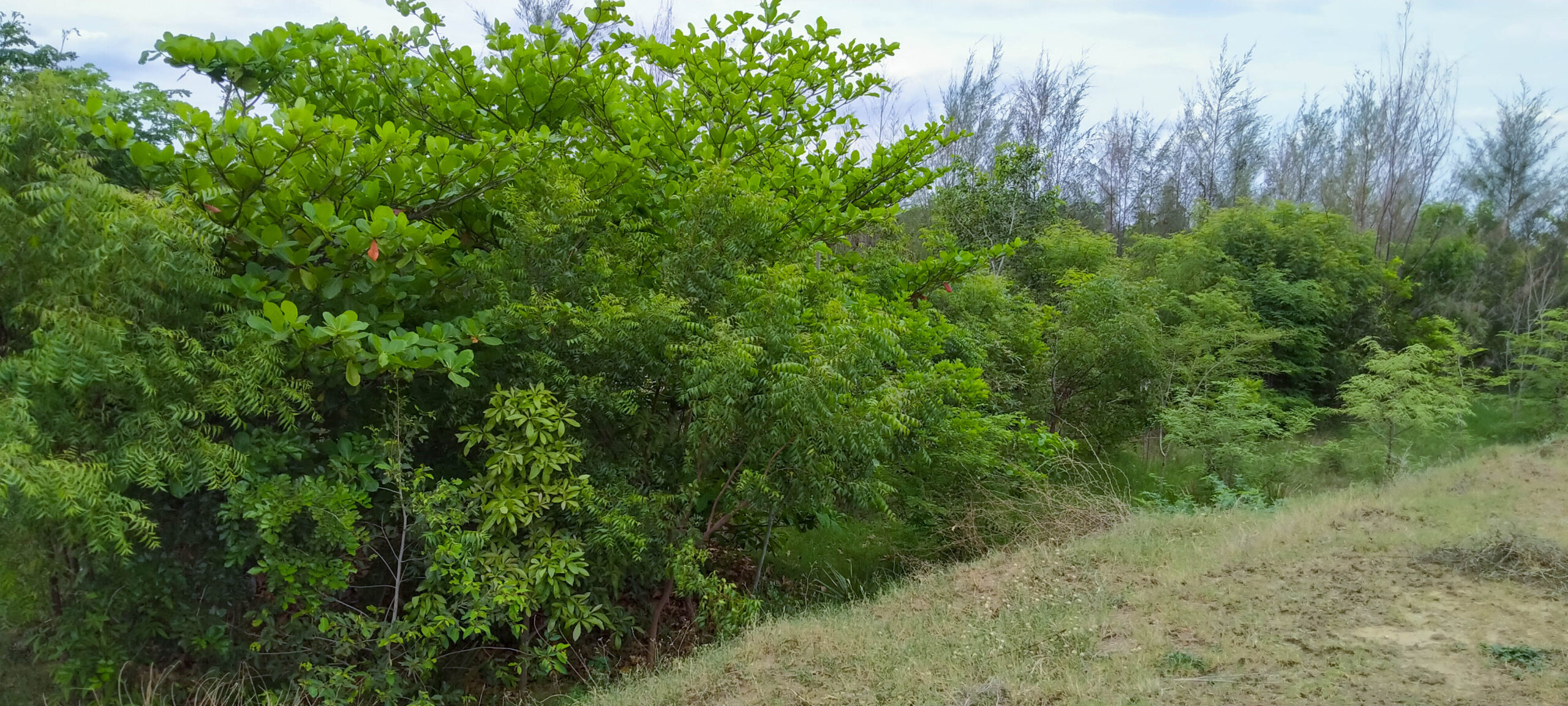
Since high tree densities may not be optimal for all ecosystems, maximising tree cover for economic gains could be environmentally damaging.
Photo by WELL Labs
Dangers of Focusing Solely on Social Benefits
In projects designed exclusively for, say, recreation, aesthetics, or community engagement, ecological neglect can eventually undo the social gains they initially sought to provide.
Urban lakes restored primarily as recreational spaces exemplify this danger. Take the case of Bengaluru’s Madiwala lake, which funded visible infrastructure, but not ecosystem restoration. Efforts to “beautify” the lake prioritised walking paths, fencing, and boating facilities, but neglected core ecological issues such as sewage inflow, water quality degradation, and biodiversity loss. Consequently, the lake’s condition has deteriorated to such an extent that it has become unsuitable for its intended recreational purpose (poor maintenance is also responsible for this).
*****
Achieving balance between the ecological, economic, and social aspects cannot follow a one-size-fits-all formula—the local context matters.
This requires thoughtful integration rather than, say, giving equal weightage to the three aspects. For example, in a community facing economic hardship, a project might rightly give great weightage to green job creation. In an area with critically endangered species, ecological protection might take precedence. Tools and frameworks like the International Union for Conservation of Nature’s (IUCN) Global Standard for Nature-based Solutions and participatory mapping can help policymakers and communities plan projects holistically and incorporate all three aspects from the beginning.
While local priorities may tip the scales to favour a particular aspect, ignoring the rest could lead to failure.
Thus, we should embed all three into project design, implementation, and evaluation. This is key to moving beyond short-term fixes and building effective, long-lasting solutions.
Acknowledgments
Authors Namitha Nayak and Anam Husain
Editor Syed Saad Ahmed
Technical Review Kaylea Brase Menon
Published by Nanditha Gogate
Follow us to stay updated about our work
Related Posts
Related Posts
-
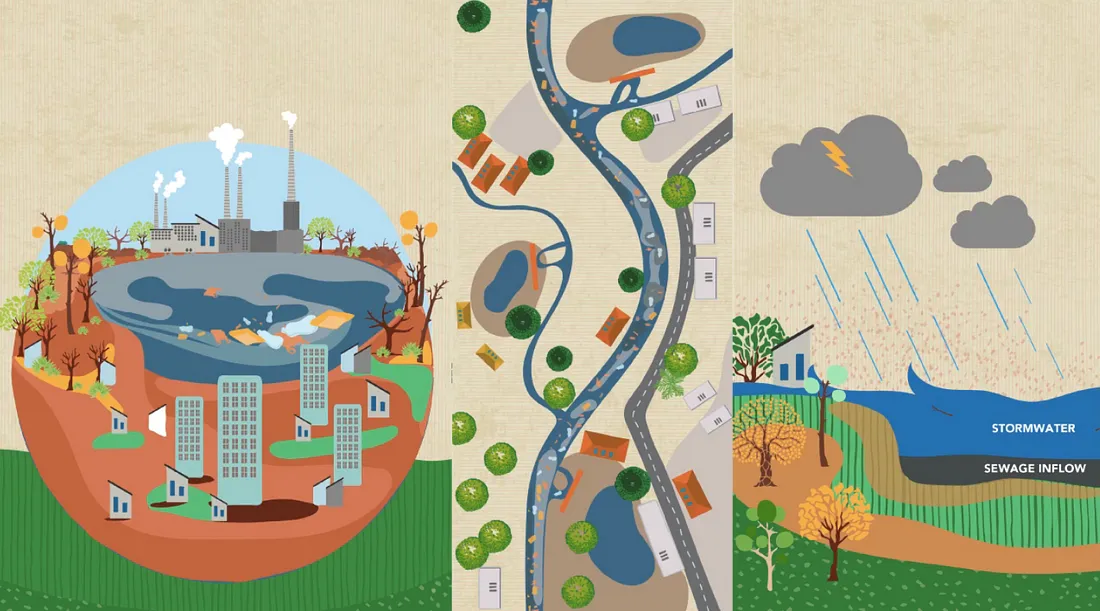
Why We Need Urban Water Balances
We explain the need to better understand how water moves through cities and illustrate effective ways to visualise urban water balances.
-
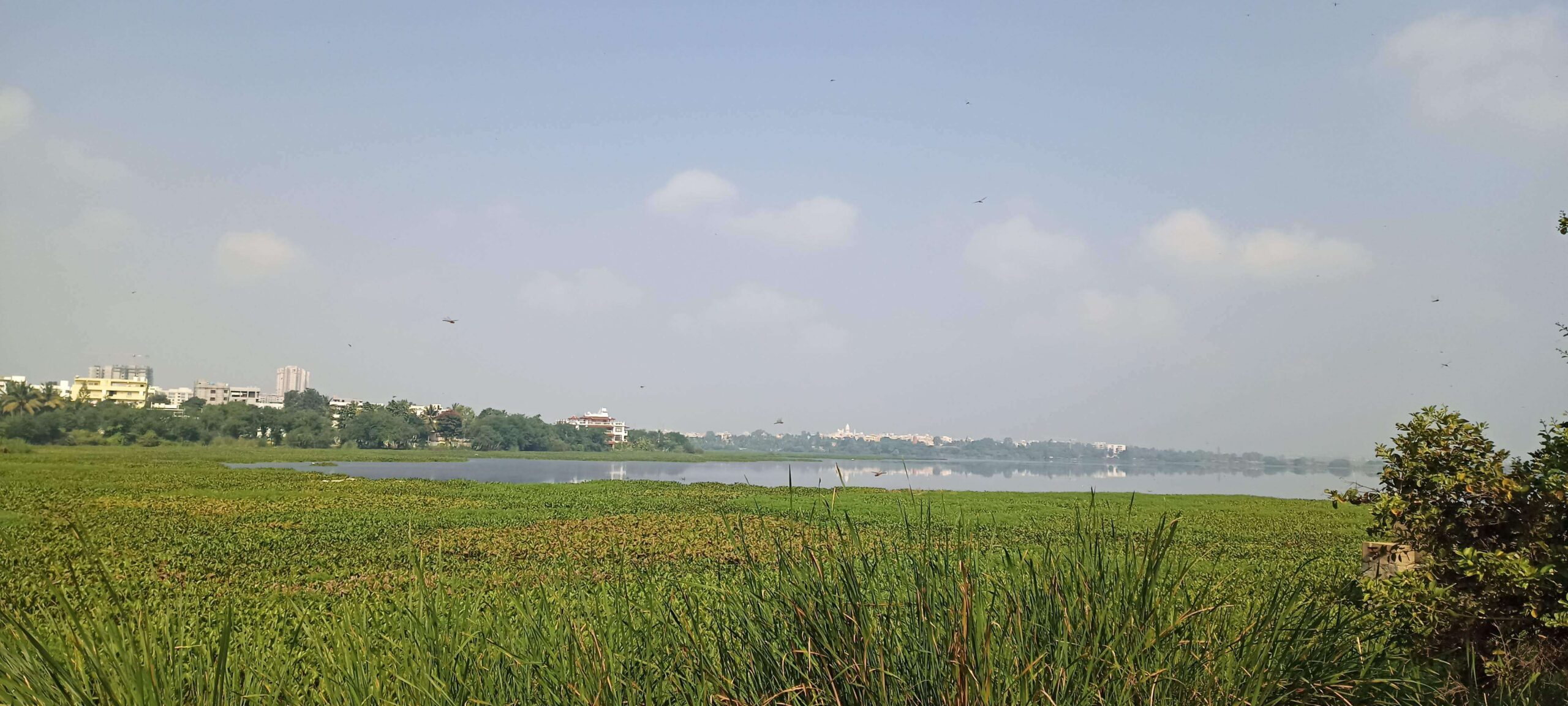
Setting the Context — Water Governance in Bengaluru
In this series, we explain the need to better understand how water moves through cities and illustrate effective ways to create and visualise urban water balance through the case of Bengaluru.
-
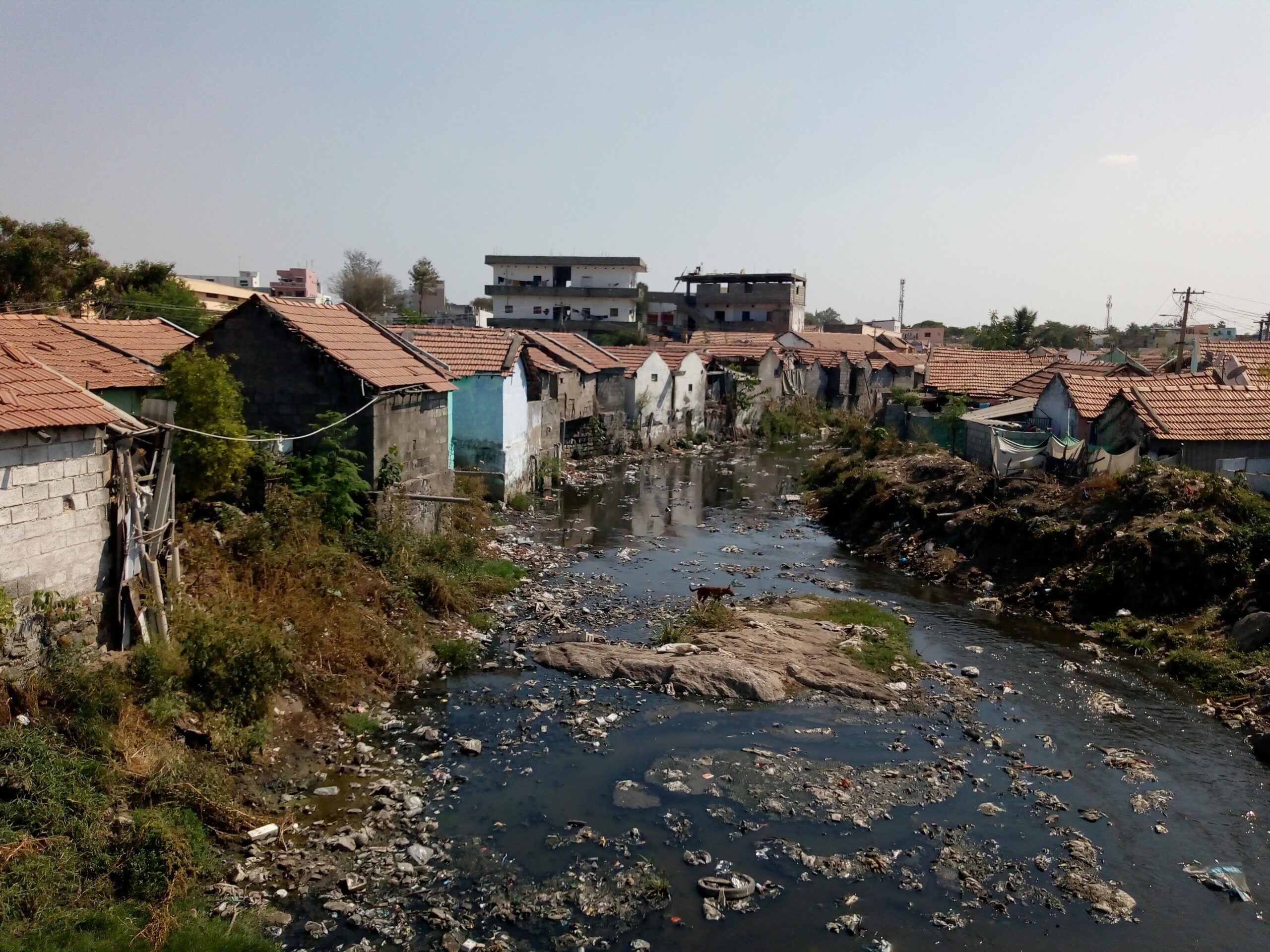
Understanding Wastewater Reuse: 5 Learnings from the IWA International Conference
Our Urban Water team sums up five key learnings on wastewater treatment and reuse from the five-day IWA conference held in Chennai in January 2023.
-
Soak Up the Rain: How a ‘Sponge City’ Makes Urban Areas Climate Resilient
In Part 1 of this blog series, we introduce the concept of sponge cities and how this Nature-based Solution has become a popular flood mitigation strategy.
-

A Visionary Architect and a New Growth Model: What’s Behind the Rise of Sponge Cities in China?
In Part 2 of this blog series, we delve into how one man’s vision and coupled with reforms by the Chinese government led to the nationwide adoption of nature-based solutions to manage floods.
-
Beyond the Jargon: 10 Key Takeaways from World Water Week 2023
WELL Labs Executive Director, Dr. Veena Srinivasan, led sessions on water and agriculture at World Water Week 2023, an annual event on global water issues organised by the Stockholm International W...