
Urban Water
The Urban Water programme designs pathways towards water-secure and resilient cities using water circularity and nature-based solutions.
Illustration by Anam Husain
We work with governments and citizen interest groups to provide the knowledge base for urban water management policies and programmes. We also build coalitions between diverse stakeholders, including governments, market players, and civil society groups, to harness the power of collective action for tackling urban water challenges.
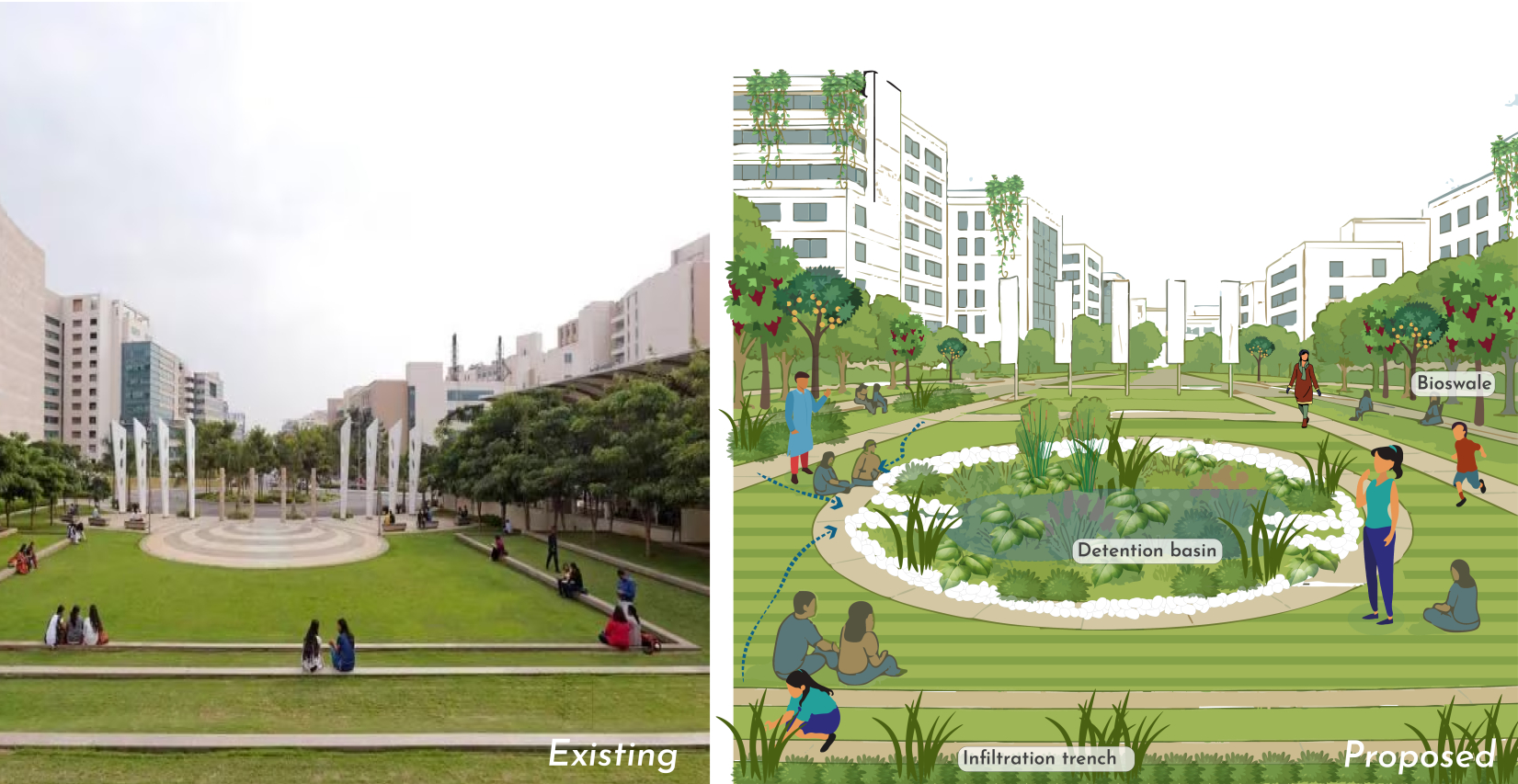
Integrating nature-based solutions into urban spaces is a key thrust of the programme. Visuals by Anam Husain
Our Work
Designing and Implementing Strategies to Boost Water Circularity
Partner: Gates Foundation
We are researching the challenges urban sanitation systems face and residents’ willingness to pay for innovative decentralised sanitation technologies in Chennai, Bengaluru, Tiruchirappalli, and Mangaluru.
Partner: Bangalore Water Supply and Sewerage Board (BWSSB)
We are designing, monitoring, and evaluating a pilot trial to fill lakes with treated water from residential apartments’ decentralised sewage treatment plants in order to boost groundwater recharge in Bengaluru.
Partner: Indian Institute of Technology Madras
We are developing a framework to evaluate and select sewage treatment plants for different contexts. We are also investigating the quality parameters that treated wastewater must meet for its reuse in construction
Building Tools to Identify Evidence-Based Solutions for Urban Water Challenges
Partner: National Institute of Urban Affairs
We shall embed our water balance creation framework into the Atal Mission for Rejuvenation and Urban Transformation (AMRUT). This framework will provide cities with a holistic picture of their water flows, enabling them to formulate more effective water management strategies.
Partner: Bruhat Bengaluru Mahanagara Palike (BBMP)
We shall codify our framework to diagnose water-related threats and suggest location-specific blue, green, and grey infrastructure solutions into a Python model and web tool. Municipalities and philanthropic initiatives can use this tool to implement evidence-based solutions for water resilience.
Integrating Nature-Based Solutions into the Design of Stormwater Drains in Bengaluru
Partner: Bruhat Bengaluru Mahanagara Palike (BBMP)
BBMP is one of the implementing agencies for a World Bank-funded project to improve water security and resilience in the city. WELL Labs is part of the BBMP’s Socio-Environment Coordination Cell, which is overseeing the integration of nature-based solutions and a solid waste action plan under the project.
Embedding Scientific Lake Rejuvenation Methods in National Policies
Partner: National Institute of Urban Affairs
To promote scientific lake rejuvenation methods, our lakes framework will be embedded into the Ministry of Housing and Urban Affairs’ national guidelines.
Researching and Developing Strategies to Improve Water Security in Chintamani
This includes:
1. Studying the impacts of lake rejuvenation on the town’s water security.
2. Researching the potential of rainwater harvesting.
3. Studying the infiltration rates in groundwater recharge pits and accordingly developing strategies to improve groundwater levels.
4. Exploring progressive pricing strategies to ensure that households with low water use do not subsidise those who use more water. Our surveys showed that a majority of households used between 45–70 litres per person per day (lpcd), while 30% of the surveyed population consumed around 100–175 lpcd.
5. Identifying adequate sanitation and wastewater treatment systems for different neighbourhoods.
6. Conducting a water journalling study in slum settlements to better understand water access, sanitation conditions, and household coping strategies with respect to water scarcity.
Fostering Community Engagement for Water Conservation
Partner: Bangalore Water Supply and Sewerage Board (BWSSB)
We evaluated applications for BWSSB’s Green Star Challenge, a competition to acknowledge and promote communities’ and institutions’ water conservation efforts in Bengaluru. We surveyed over 500 residential, commercial, and institutional buildings, assigned ratings to them, and documented the challenge’s outcomes in a report.
We are now refining the evaluation criteria for the next edition of the Green Star Challenge and shall also evaluate the applications for it.
Built a Framework to Diagnose Urban Water Challenges and Identify Appropriate Solutions (Completed)
We evaluated the efficacy of different water balance methods and built a framework for a detailed and robust assessment of water balances. We also developed a system to diagnose water-related threats in an area and suggest location-specific blue, green, and grey infrastructure solutions.
Researched and Facilitated Pathways to Boost Water Circularity in Cities (Completed)
Partner: Gates Foundation
We studied the potential for the adoption of decentralised sanitation technologies in residential apartments in Bengaluru and Chennai. This involved mapping new buildings, urban growth trends, and the amount people pay for sanitation facilities. Our findings reveal that these cities can potentially be large markets for innovative sanitation systems.
Partner: Swiss Federal Institute of Aquatic Science and Technology
1. Conducted a study on decentralised sewage treatment plants in Bengaluru.
It revealed critical issues like poor functionality, inconsistent water quality, a lack of standardisation in systems, and a lack of acceptable wastewater reuse options. We also found that the economic viability of these systems is closely tied to their scale, indicating the need for high-quality, automated, “plug and play” solutions, especially for small-scale applications.
2. Mapped sites in Bengaluru where treated wastewater can potentially be reused.
Treated wastewater can be reused in industries, construction sites, infrastructure projects, green patches, and lakes. The mapping of reuse options is critical as currently, a significant portion of the city’s wastewater treated in decentralised plants is discharged into stormwater drains rather than reused or sold. A market for treated wastewater could also help buildings garner the financial resources to upgrade their sewage treatment plants and increase water availability in the water-stressed city.
3. Developed three scenarios for how decentralised water treatment and reuse could evolve.
We organised stakeholder workshops between September 2024 and January 2026 to drive consensus around the scenarios, foster collaboration between diverse stakeholders, and identify priority steps to improve water security in Bengaluru.
Researched the Barriers to Mainstreaming Nature-Based Solutions in Urban India (Completed)
Partners: Oak Foundation, India Forum for Nature-Based Solutions, Rocky Mountain Institute
We mapped the enablers and barriers to the adoption of nature-based solutions in India, including policies, financing, and technical capacity, and published the findings in a report. The project concluded in June 2025.
Applied Contextual, Community-Driven Approaches in the Rejuvenation of Malapalli Lake in Chintamani, Karnataka (Completed)
Partners: Chintamani City Municipal Council, DCB Bank, Friends of Lakes
The rejuvenation project transformed a degraded urban lake into a vibrant ecological and social commons through contextual, community-driven approaches. It began in December 2024 and concluded in July 2025. Under the project, WELL Labs and its partners:
a. Conducted a topographic survey.
b. Constructed a bund around the publicly owned part of the lake.
c. Diverted sewage that was previously flowing into the water body.
d. Built stabilisation ponds to remove sediments from the water flowing in from the lake’s catchment.
The Urban Water programme’s research on fostering water security in Chintamani laid the scientific groundwork for the project. While the town is highly dependent on groundwater, many borewells are failing. In this scenario, Chintamani’s numerous lakes can go a long way in fulfilling residents’ water needs, as long as they are free from encroachments and pollution.
Research
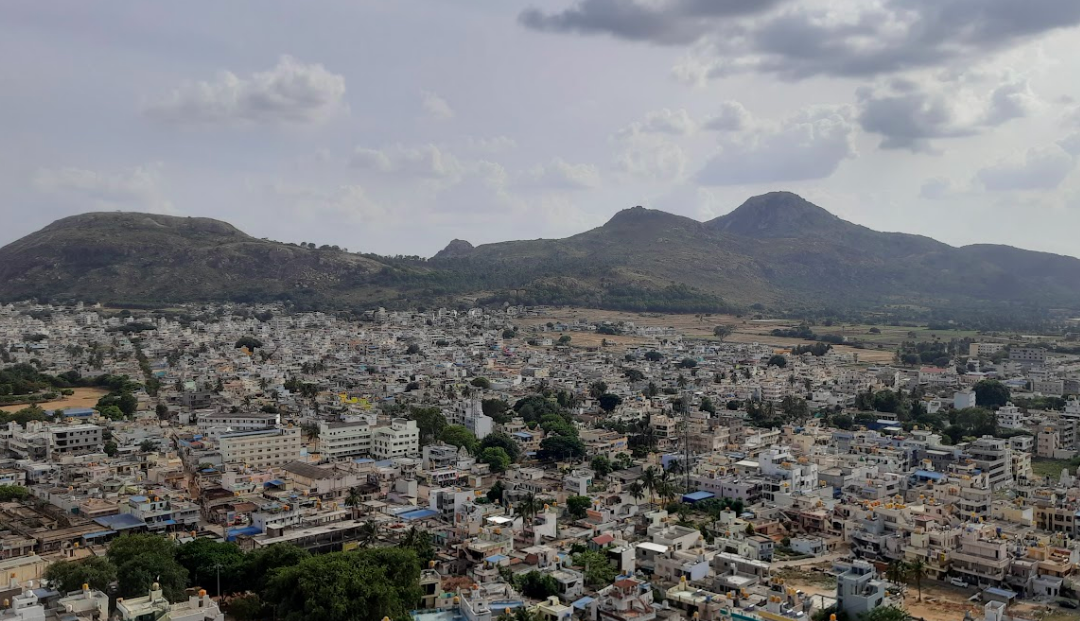
Mapping Water in a Small Town: Insights from Chintamani, Karnataka
We partnered with TIDE and BORDA to conduct an urban water balance exercise for the town of Chintamani in southern Karnataka. Through field surveys and hydrological modelling, we narrowed down on key problem areas and identified possible solutions that will help the town leapfrog to more sustainable water management.
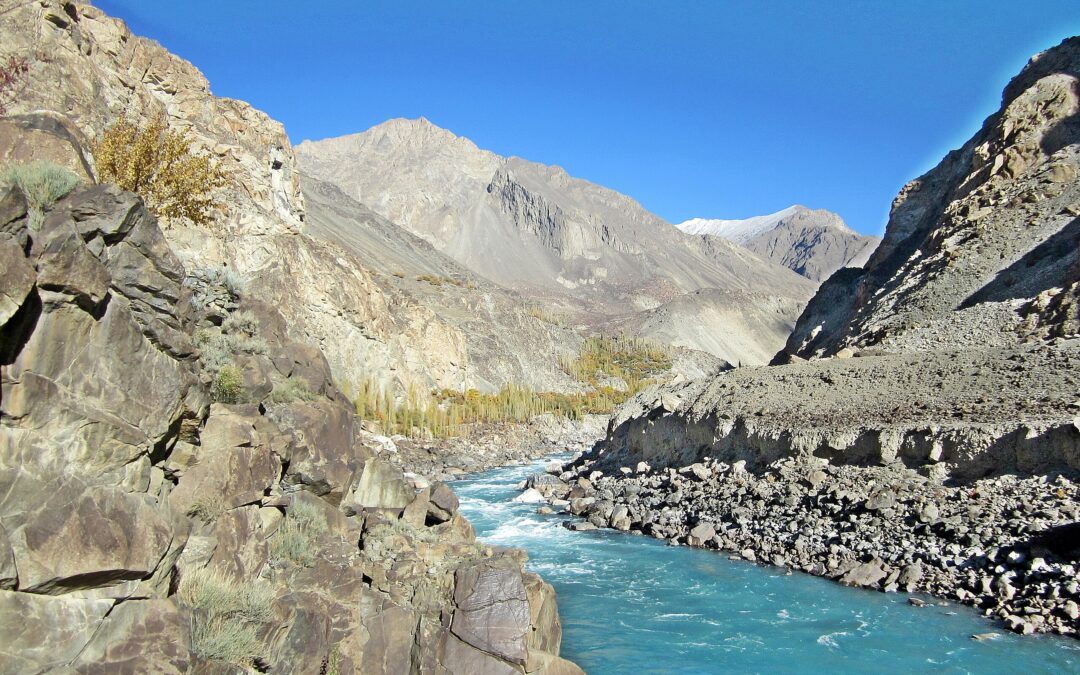
Exploring the use of data and models in transboundary water governance
This study highlights how data and models in transboundary water governance require sensitive, context-aware application, emphasizing political realities, local engagement, and transdisciplinary collaboration for successful cooperation.
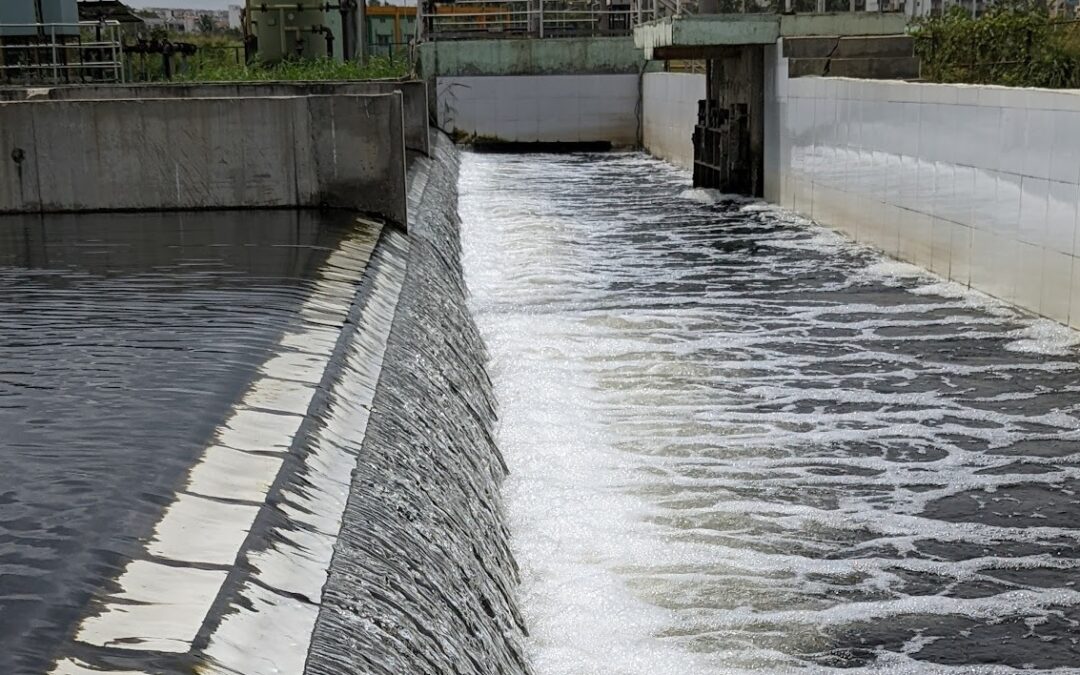
Acceptance of On-Site Wastewater Treatment and Reuse in Bengaluru, India: The Role of Perceived Costs, Risks, and Benefits
In dealing with water pollution and freshwater scarcity, on-site treatment and reuse of domestic wastewater has shown to be a promising solution.
Blogs & Op-eds
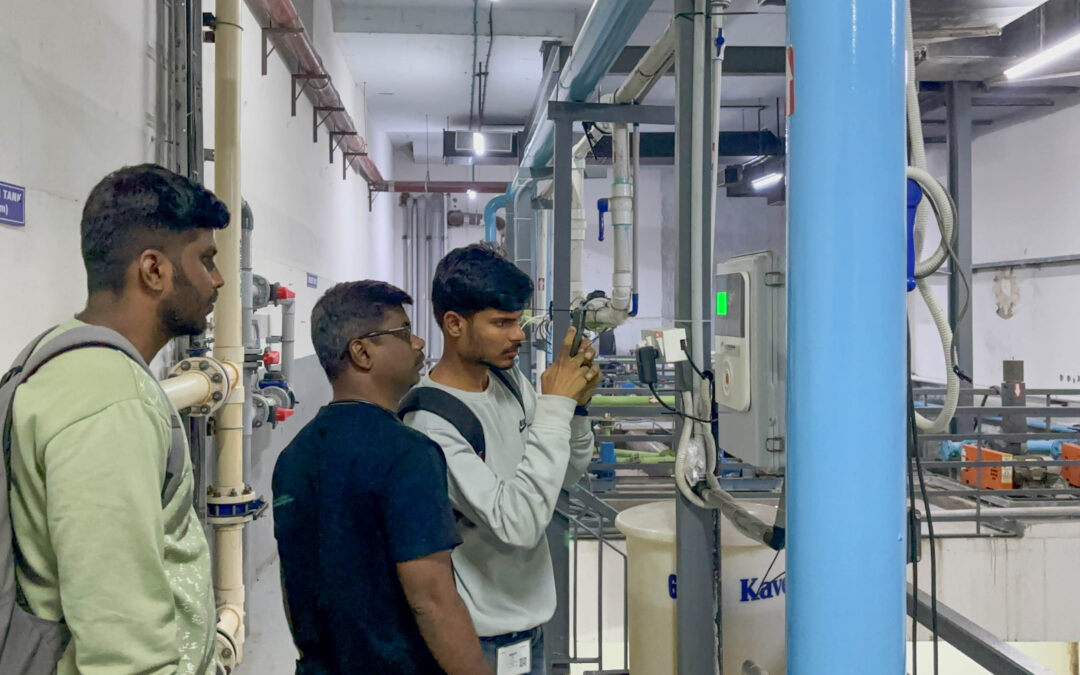
How Can We Engage Communities to Conserve Water in Bengaluru?
The Green Star Challenge promotes water sustainability in Bengaluru by acknowledging and promoting communities’ and institutions’ conservation efforts
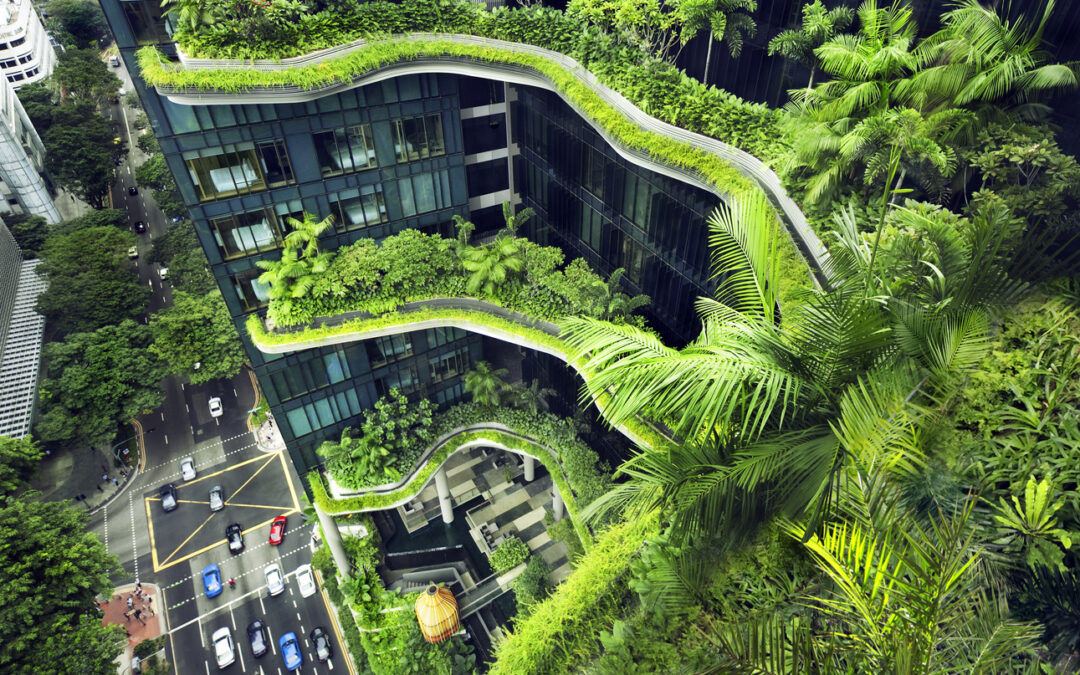
Building Climate-Resilient Cities with Nature-Based Solutions
In part 3 of this blog series, we look at how nature-based solutions (NbS) can help urban India mitigate and adapt to heat and water stress. We also delve into the work we are doing on NbS.
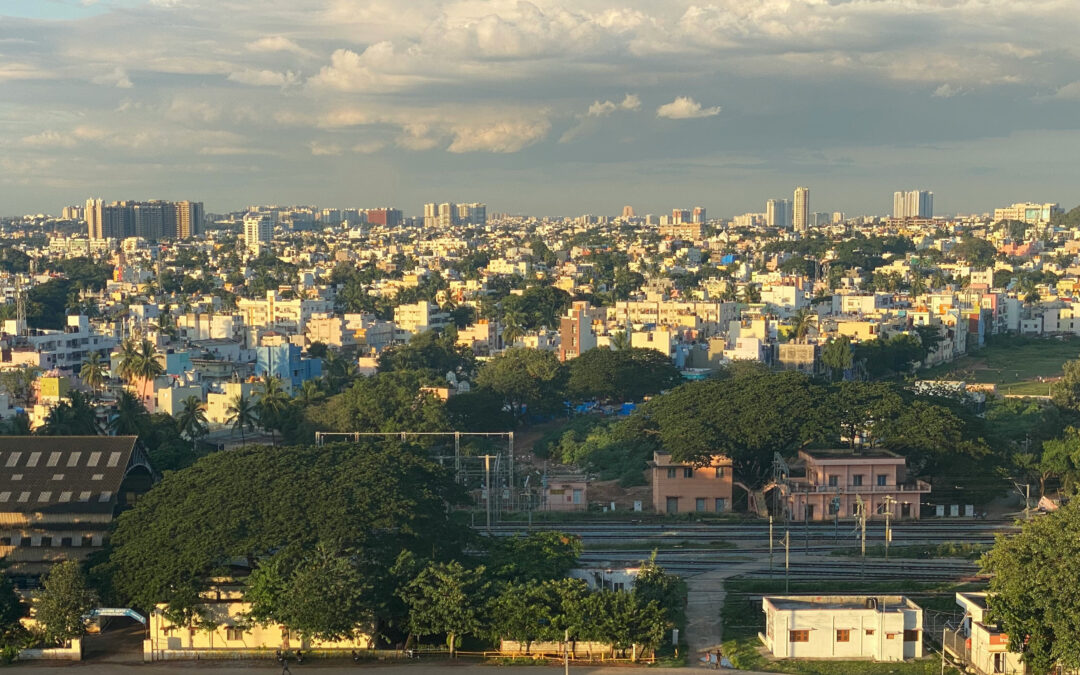
Bengaluru Has the Highest Number of Decentralised Sewage Treatment Plants Globally. Are They Effective?
WELL Labs and Eawag surveyed decentralised sewage treatment plants in the Yelahanka zone of northern Bengaluru to understand the challenges in urban wastewater treatment and reuse.
In the Media
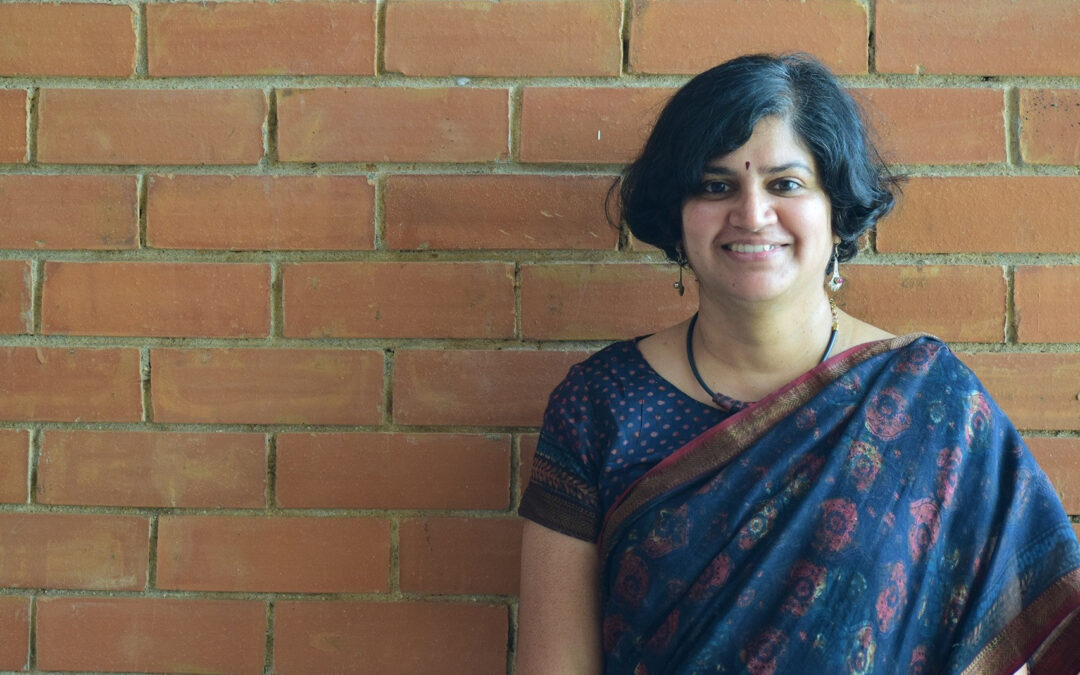
World Water Day 2026: Understanding the liquid asset with Dr Veena Srinivasan
Published in Research Matters
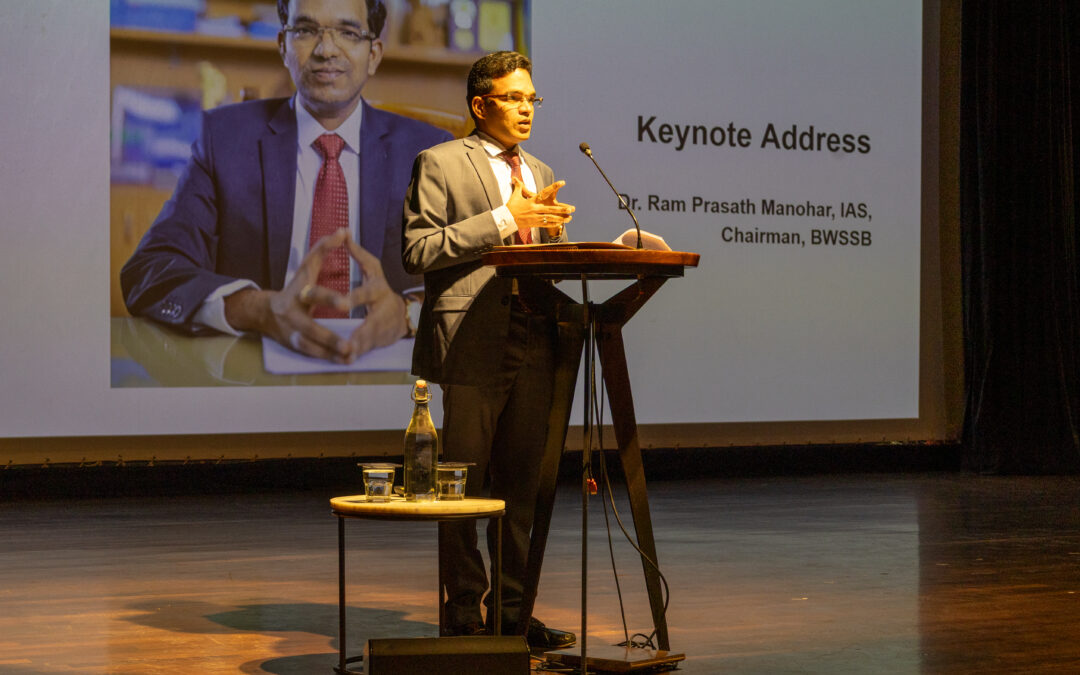
In the News | Closing the Loop: Strategies for Decentralised Water Reuse in India
Published in Various Media Outlets
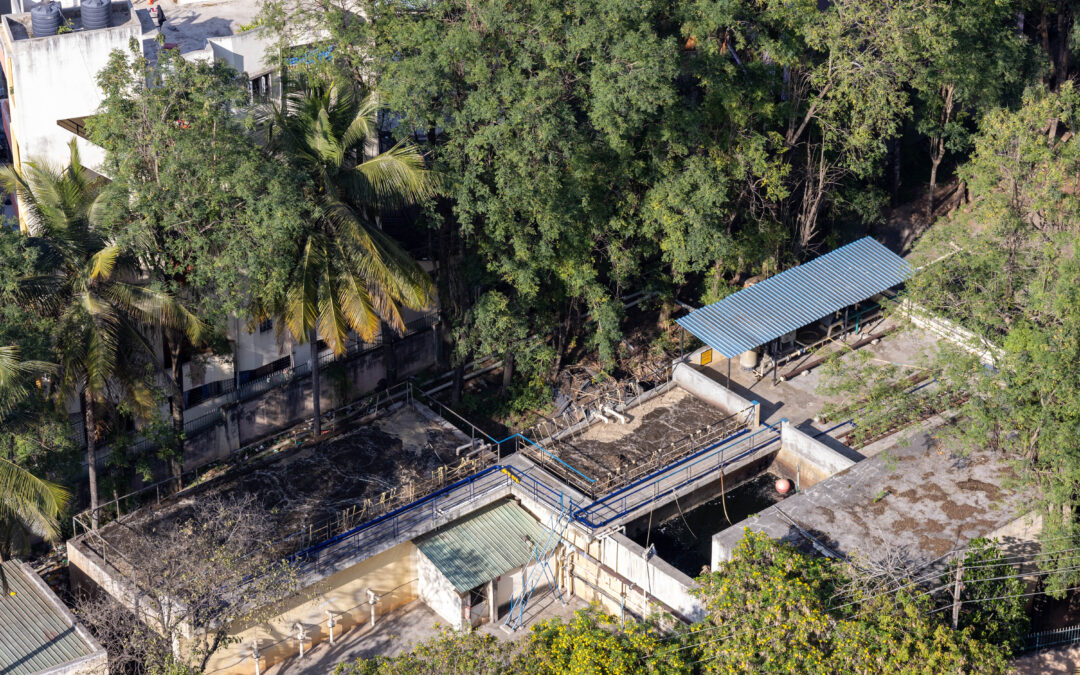
WELL Labs Featured in Discovery Channel
The episode highlights innovators restoring rivers, protecting ecosystems, and transforming India’s water conservation landscape.
If you would like to collaborate with the Urban Water programme or have any questions, reach out to us at archive-welllabs.urbanwater@ifmr.ac.in