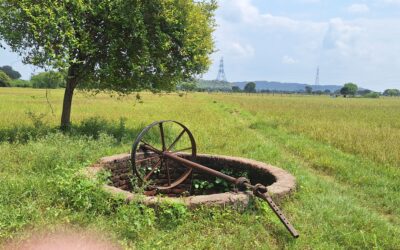
Jhansi’s groundwater challenges run deep, but the early gains from community-led efforts show what is possible. Strengthening these local, data-driven approaches can help Bundelkhand build long-term water security in the years ahead.

Urban Water
Rural Futures
Technical Consulting
Platforms and Partnerships
Futures Research
Jhansi’s groundwater challenges run deep, but the early gains from community-led efforts show what is possible. Strengthening these local, data-driven approaches can help Bundelkhand build long-term water security in the years ahead.
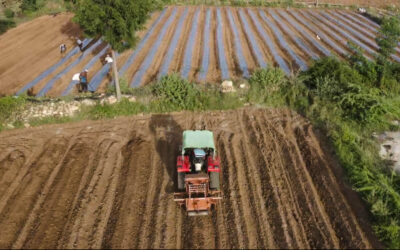
By helping farmers share groundwater through collective networks, WASSAN’s Groundwater Collectivisation Programme aims to improve irrigation access, boost farm incomes, and encourage more sustainable cropping. The model offers a promising pathway to manage groundwater as a shared resource.
Published in The Lancet Planetary Health
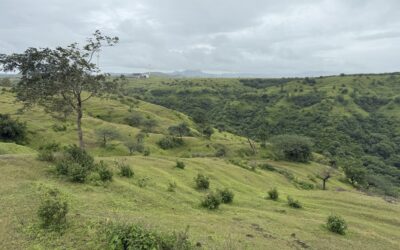
In Nashik’s basaltic uplands, wells fill quickly during monsoon but start to dry by February. Farmers see surface storage, efficient irrigation, and local governance as key solutions.
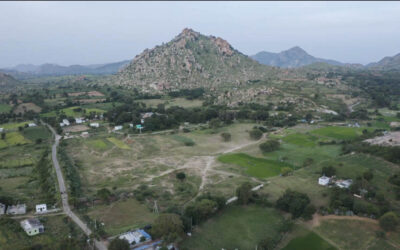
This study assesses WASSAN’s groundwater collectivisation programme in Andhra Pradesh and Telangana, which improved irrigation access and reduced borewell drilling through shared infrastructure. It highlights the potential for scaling in regions facing water scarcity and fragmented irrigation access.
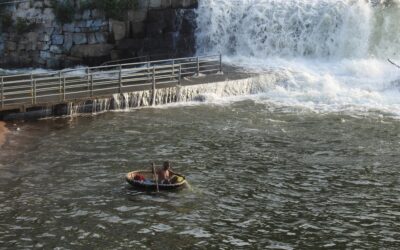
Chapter published in The Hindu e-Books
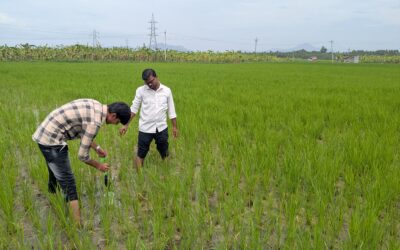
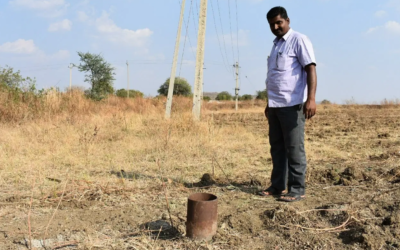
Community-led continuous monitoring is key to assessing aquifer health, groundwater sustainability, and the impact of soil and water interventions.
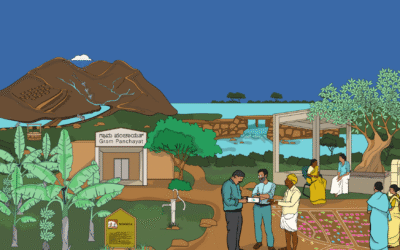
The Technical Consulting team shares insights regarding how we can ensure the optimal use of limited resources and why certain groundwater interventions fail, among other topics
Published in Dainik Bhaskar

This study highlights the need for a holistic, landscape-level approach to water management in Maharashtra’s basaltic regions, ensuring that interventions align with local hydrogeological realities.

WELL Labs and EDF conducted a monitoring, evaluation, and learning (MEL) exercise to assess the effectiveness of the Government of Karnataka’s Jala Sanjeevini programme. This report looks at how GIS tools like CLART are used to improve MGNREGA’s natural resource planning.
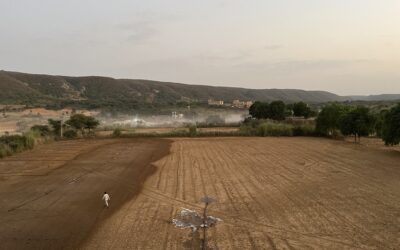
This simple, low-cost water balance method helps improve understanding of how effectively a percolation tank recharges groundwater.
This learning note explores the need for a framework like WISER (Water Index for Sustainability, Equity, and Resilience)—a science-based approach to tracking and enhancing water security in India. WISER leverages data, remote sensing, and stakeholder engagement to support evidence-based, equitable, and sustainable water management.
WISER (Water Index for Sustainability, Equity, and Resilience) is a science-based framework to track and improve water security across India. It leverages data, remote sensing, and stakeholder inputs to enable evidence-based, equitable, and sustainable water management. This study showcases the results of the initiative’s first phase.
Published in Mongabay India
Published in Hindustan Times
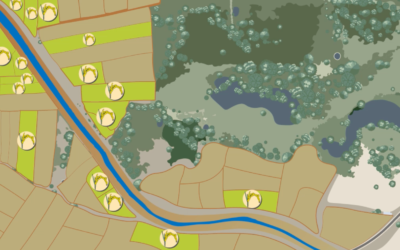
Jaltol is a web app that helps evaluate the impact of watershed programmes on both water access and economic prosperity
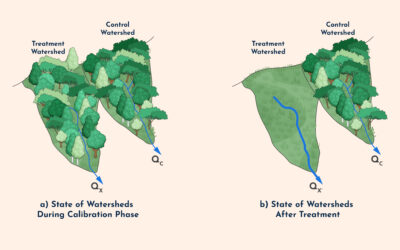
A paired watershed study is a research method that compares two neighbouring watersheds over an extended period to understand how changes in land and watershed management affect hydrological parameters
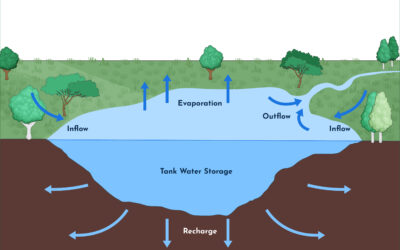
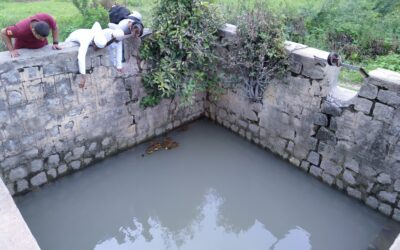
There is considerable spatial heterogeneity in rainfall patterns in India. This makes the staff gauge method especially useful as it can be easily applied to multiple water storage structures.
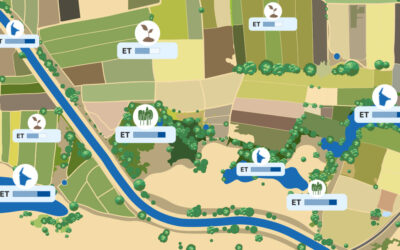
An overview of hydrological assessment tools for better monitoring, evaluation, and learning in watershed management