In this series, we explain the need to better understand how water moves through cities and illustrate effective ways to create and visualise urban water balance through the case of Bengaluru.
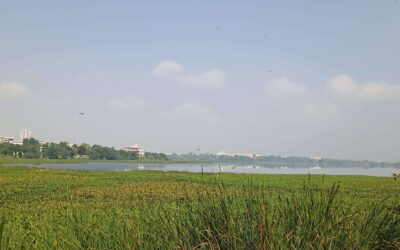

Urban Water
Rural Futures
Technical Consulting
Platforms and Partnerships
Futures Research
In this series, we explain the need to better understand how water moves through cities and illustrate effective ways to create and visualise urban water balance through the case of Bengaluru.
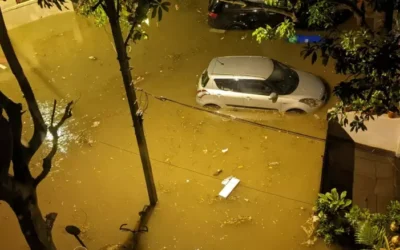
Published in Citizen Matters
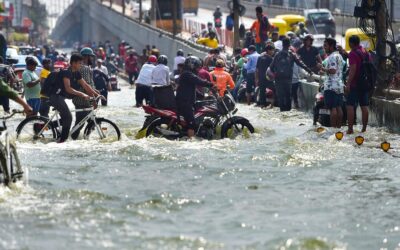
A City Water Balance of all flows in the urban water system is a good starting point to understand the paradox of flooded streets and dry borewells.
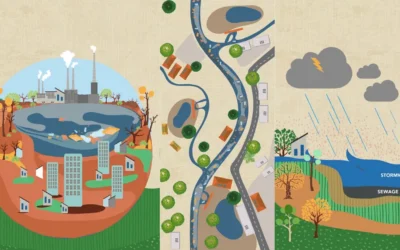
We explain the need to better understand how water moves through cities and illustrate effective ways to visualise urban water balances.
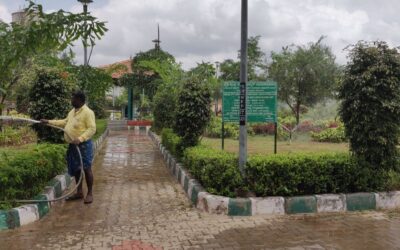
In Bengaluru alone, around 35 million litres of water is needed every day to irrigate urban green spaces. Currently, it is freshwater that is being used. This is far from ideal at a time of worsening water scarcity. So, why don’t we use treated wastewater instead?

Published in The Times of India
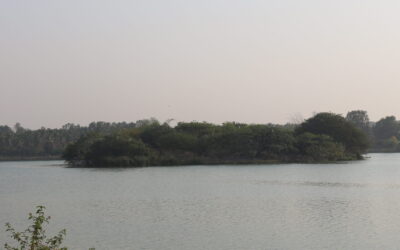
We conducted a phosphorus balance study to understand the sources and sinks of phosphorus in Jakkur lake
We explore the potential of decentralised sewage treatment plants, which are being promoted in cities like Bengaluru, to treat sewage at the source of generation
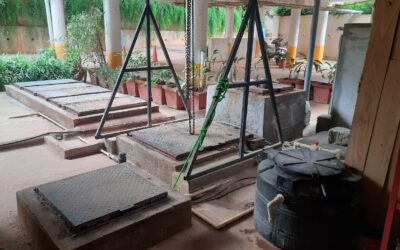
Here are six tips to save the failing sewage treatment plant (STP) in your apartment.
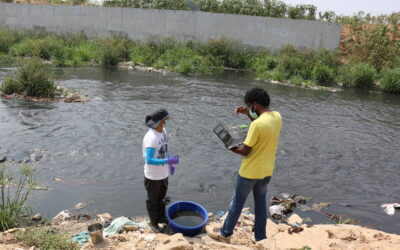
This article is the sixth in a multi-part series on lakes that aims to provide a comprehensive overview of lake related problems in Bangalore and approaches to address them. This article discusses how lake nutrients, specifically phosphorus, can be managed.
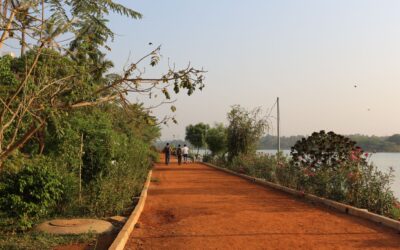
Many Indian cities are already vulnerable to climate change. The financial damage from extreme events, like floods, heat, and drought is likely to be staggering. The urban poor will bear much of the burden. But, cities also hold the key to altering this trajectory. This report explores pathways to build climate-resilient cities through the integration of blue, grey and green infrastructure.
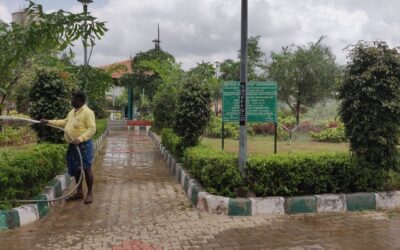
Indian cities are grappling with an ever-growing freshwater demand due to rapid urbanisation and exponential population growth. The treatment of the resultant wastewater has proved equally challenging. In this report, we explore the potential of decentralised sewage treatment plants, which are being promoted in cities like Bengaluru, to treat sewage at the source of generation.
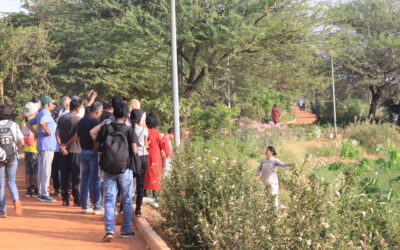
This publication is the third in a multi-part series on lakes that aims to provide a comprehensive overview of lake-related problems in Bangalore and approaches to address them. It describes the crucial role played by citizens in urban lake management.
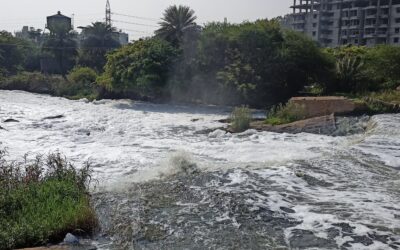
This article is the first in a multi-part series on lakes that aims to provide a comprehensive overview of lake related problems in Bangalore and approaches to address them. This article explains how these problems are closely related to changes in lake functions and the hydrology of the city over time.
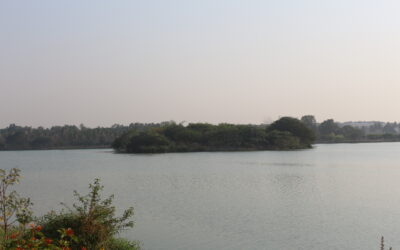
This article is the first in a multi-part series on lakes that aims to provide a comprehensive overview of lake related problems in Bangalore and approaches to address them. This article explains how these problems are closely related to changes in lake functions and the hydrology of the city over time.