
Products and Platforms
The Products and Platforms programme builds open-source tools, datasets, and collaborative platforms to improve outcomes in the water and social-impact sectors.
Illustration by Sarayu Neelakantan
The Green Rural Economy (GRE) platform is the centrepiece of the Platforms and Partnerships programme.
It connects changemakers with service providers to accelerate the discovery and implementation of sustainable solutions.

GRE has collaborated with several grassroots organisations to document their expertise as playbooks
Our Work
Setting Up the Raichur Bioregional Hub
We are using insights from the Odisha Sandbox to roll out the Raichur Bioregional Hub in collaboration WELL Labs’ Rural Futures programme. It follows a place-based approach, that is, comprehensively addresses economic and environmental challenges in Raichur district rather than focusing on one issue, such as livelihoods or food security.
Enabling Other Organisations to Set Up Hubs and Accelerate Collaboration for Rural Development
To scale the place-based approach, we are codifying its architecture and workflows, and sharing these with interested organisations. Our Clinics and directories are the entry points to establishing hubs.
Facilitating Market Access for Farmer Producer Organisations
We are working with retail and B2B platforms to map the entire value chain of agricultural produce. This exercise is helping farmer producer organisations develop in-demand products, get the right value for them, and avoid wastage.
Using Digital and Outreach Tools to Increase Access to and Discoverability of Solutions in the Development Sector
To facilitate requests for solutions and match service providers with those in need of a particular solution, we are deploying:
1. Online radio services
2. WhatsApp groups
3. Vernacular Facebook groups
4. Participatory media platforms created by Gram Vaani
To make our directory of solutions and services more accessible, we are using chatbots and the United Krishi Interface, a community-led local open agriculture network enabling access to agri-inputs, services, and advisory.
Fostered 80 Collaborations for Sustainable Solutions (Ongoing)
Partners: Rainmatter Foundation, WASSAN, SOPPECOM, Himalay Unnati Mission, Aarogya Naturopathy Village, Saahas, and SOUL, among others
We facilitated 80 matches between organisations working on various themes, such as agriculture, waste management, and livelihoods. This helped them find and implement tried and tested solutions, build partnerships to achieve shared goals, and scale their work to new locations.
Published 40 Playbooks to Promote Cross-Learning (Ongoing)
Partners: Axis Bank Foundation, Ibtada, Trust Community Livelihoods, Development Support Centre, Industree Foundation, Bindi International
Our playbooks are guides for rural communities to learn and implement solutions. Over the past year, we created 40 playbooks covering topics such as agriculture, animal rearing, water management, livelihoods, waste management, and entrepreneurship. This included collaborations with Axis Bank Foundation’s grantees to document and disseminate their institutional knowledge and experiences as playbooks.
Organised 25 ‘Clinics’ to Address Queries and Troubleshoot Challenges of Social-Sector Organisations (Ongoing)
Partners: Akshayakalpa, Lipok Social Foundation, National Coalition for Natural Farming, PRADAN, Tarun Bharat Sangh, Tieedi, Vaagdhara, and Sahas Waste Warriors, among others
We received requests for support from various organisations, which we addressed through 25 ‘Clinics’. These are virtual or in-person sessions to connect two groups: those seeking solutions for specific problems in the context of rural livelihoods and experts who have successfully implemented similar solutions. The Clinics led to training sessions, consultations, and long-term support. In many cases, participating organisations signed Memoranda of Understanding (MoUs) to collaborate on initiatives.
Built Directories of Solutions and Services (Ongoing)
Partners: EcoRestoration Alliance and ClimateRISE Alliance, among others
The GRE platform hosts a directory of services and solutions. Over the past year, we enhanced the directory with over 125 documented solutions in the domains of water resources, ecosystem conservation, and agroecology.
Integrated the Sandbox Concept into Green Rural Economy (Completed)
Partners: Socratus, Nature’s Club, and Livelihood Alternatives, among others
A sandbox is a space allowing for the testing of new ideas, approaches, and technologies in a real-world setting within the controlled parameters of a particular geography. The Odisha Sandbox helped surface over 100 requests for solutions, which we matched with appropriate solution-providers. It also used tools built by Socratus to:
1. Bring together communities, grassroots organisations, and the local administration to build sustainable livelihoods.
2. Further climate mitigation and adaptation strategies that incorporate community perspectives and local knowledge.
Research
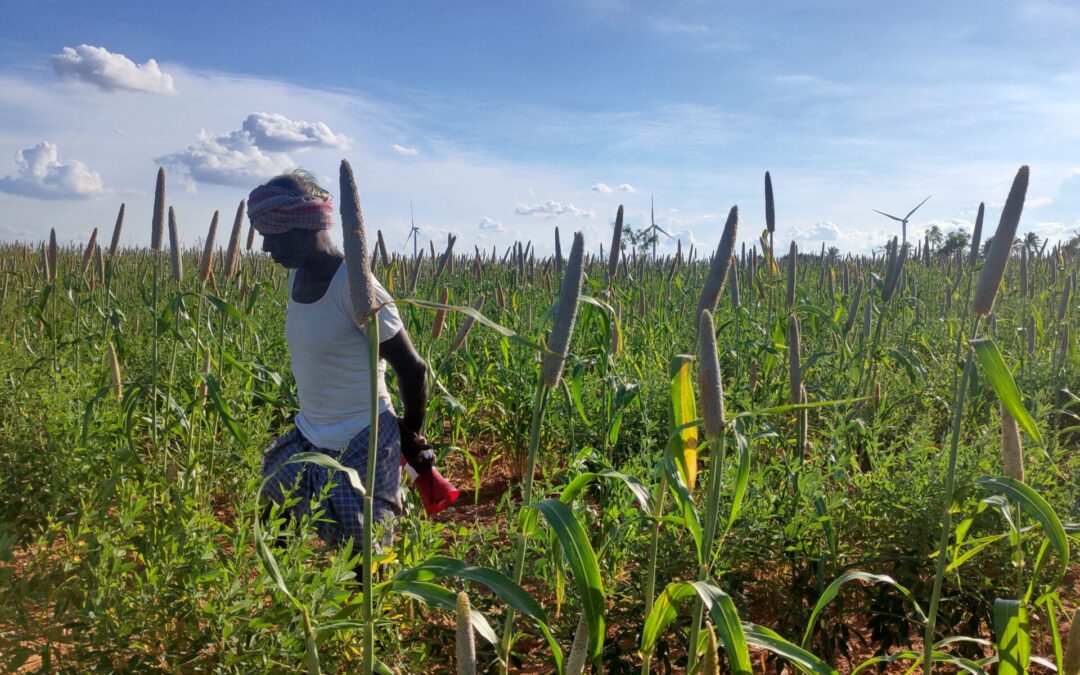
Landscape Review: Innovation Gaps in India’s Agritech Startup Ecosystem
Through this landscape review, we take a closer look at agritech startups to identify how to secure the livelihoods of farmers while simultaneously addressing environmental concerns

Net Water Positivity in the Indian Context: A Framework for Exploring Industrial Pathways to Water Sustainability
We explore how to bring aquifers back into balance by increasing recharge and reducing abstraction. We also make the case for a system of water credits to effectively drive collective action.
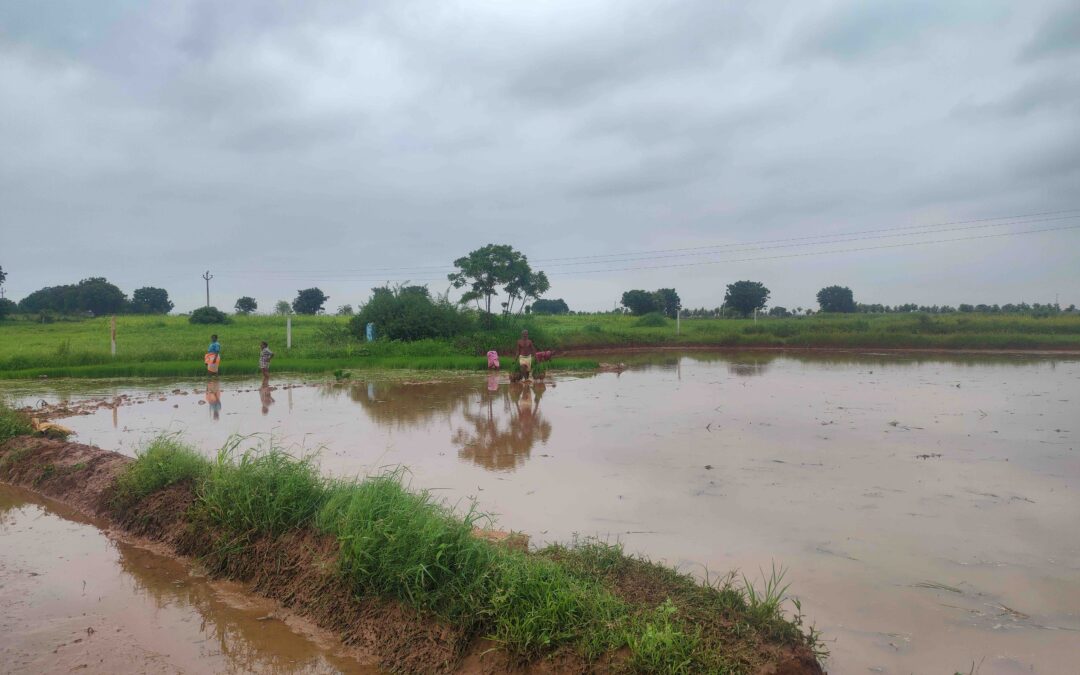
Insights from a Review of Water Security Plans
Water security plans (WSPs), which describe the current state of water challenges in the region under study and the interventions planned, are an important component of rural water security programmes. Based on our review, we argue that WSPs need to be more streamlined and must shift focus towards using water more efficiently (demand-side water management) and equitably.
Blogs & Op-eds
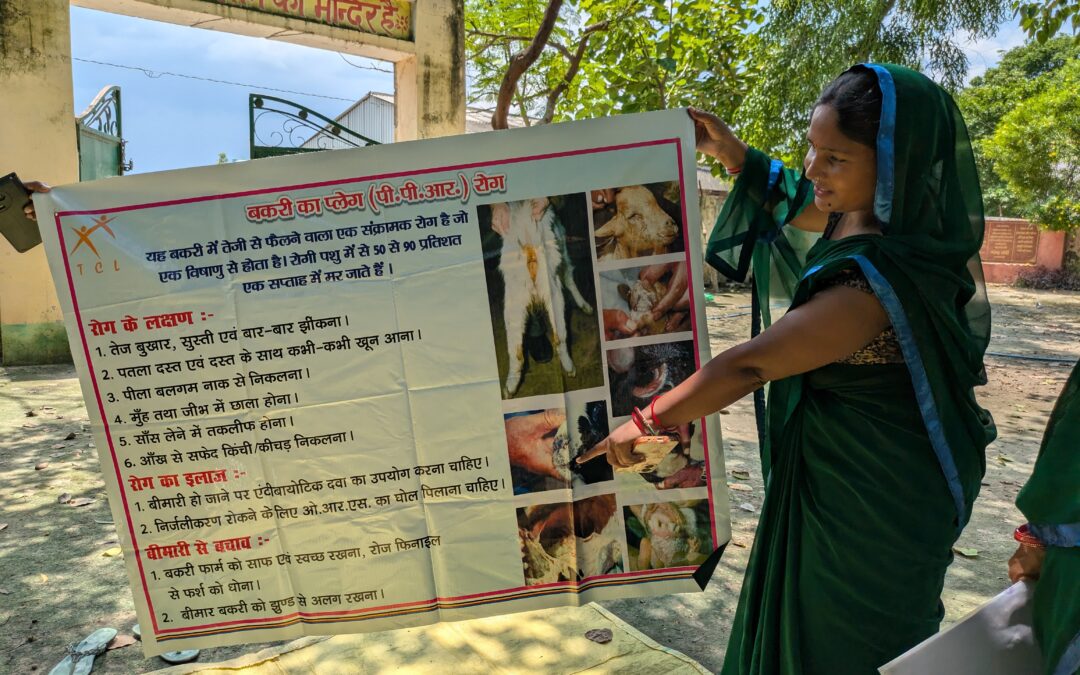
The Social Sector Has a Scale Problem. Here’s How We Can Solve It
Build, operate and transfer models, master trainers, chatbots, call centres, and secondment can help the social sector effectively scale solutions
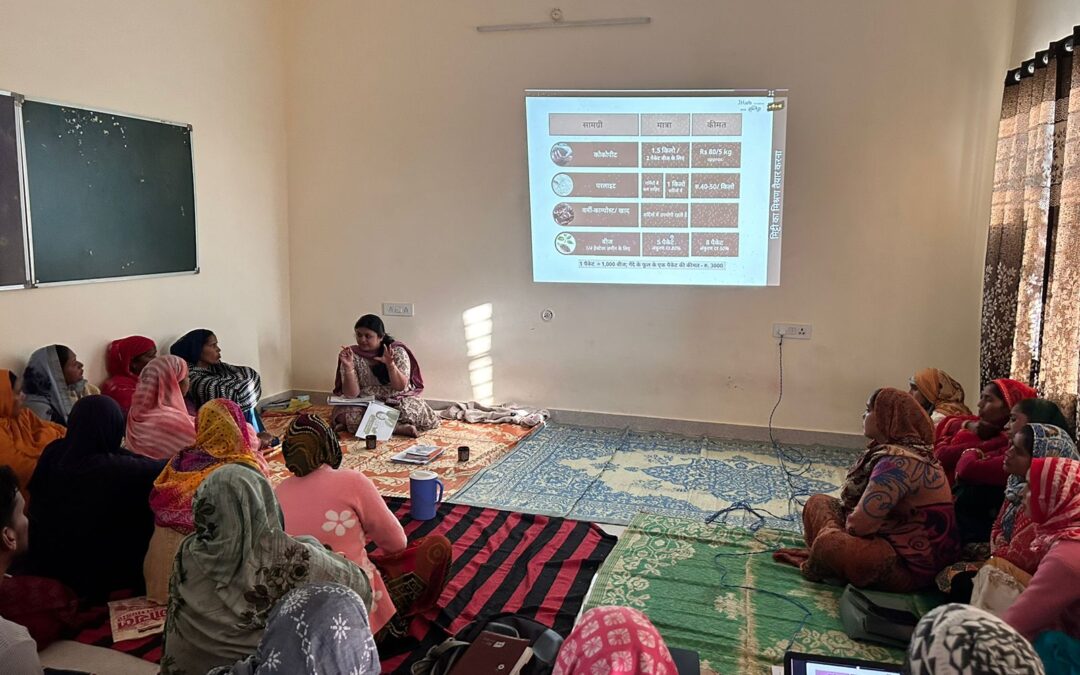
Downloading the Expert’s Brain: How to Decode Knowledge and Encode it into Solutions
Development practitioners sit atop a wealth of knowledge that goes undocumented. The Green Rural Economy is trying to make this more accessible.
How Can Social-Sector Organisations Find Solutions to Pressing Challenges?
The Green Rural Economy team experimented with various approaches to ensure social-sector organisations receive the help they need
If you would like to collaborate with the Products and Platforms programme or have any questions, reach out to us at welllabs.platforms@ifmr.ac.in