
When Good Farming Ideas Fail to Last
A wide range of improved agronomic practices – like System of Root Intensification (SRI), Alternate Wetting and Drying (AWD), green manuring, and mulching – have been tested and promoted across the country in the past two decades. These practices are informed by data and farmer experience, and have had the support of the government and the civil society in securing scale and accessibility.
Given the number of successful tests and demonstrations, these practices appear easy to apply and sustain. They seem to work technically, economically, and ecologically. Yet, their continued adoption remains uneven and often short-lived.
The Puzzle of Low Adoption
Farmers are interested and invested in nurturing their lands; they attend training sessions, experiment on small plots, and even see positive results. But after a season or two, many quietly revert to their earlier practices. They fail to endure mainly due to the absence of a supportive ecosystem for sustainable agriculture. Seeds for green manuring or intercropping species are rarely stocked in local markets. Labour trained in SRI or natural farming is difficult to find. Infrastructure for controlled water management is often absent.
Currently, the broader agricultural ecosystem – input supply chains, credit systems, procurement mechanisms, and subsidies – continues to favour conventional, chemical-intensive farming. While this system may be environmentally unsound, it is more predictable and well-organised. And so, when external support and facilitation for adopting agroeconomic practices come to an end, farmers are left to navigate market uncertainties alone. In a sector already marked by volatility, only a few can afford to persist.
Another barrier is the way sustainability itself is framed. Many initiatives, often unintentionally, divide farmers into categories such as natural, organic, or chemical. Such moral or ideological distinctions risk alienating farmers, especially smallholders, who attempt gradual transitions rather than complete shifts. It leaves them feeling excluded despite their efforts to adapt, and makes sustainability a solitary experiment rather than a community-supported process.
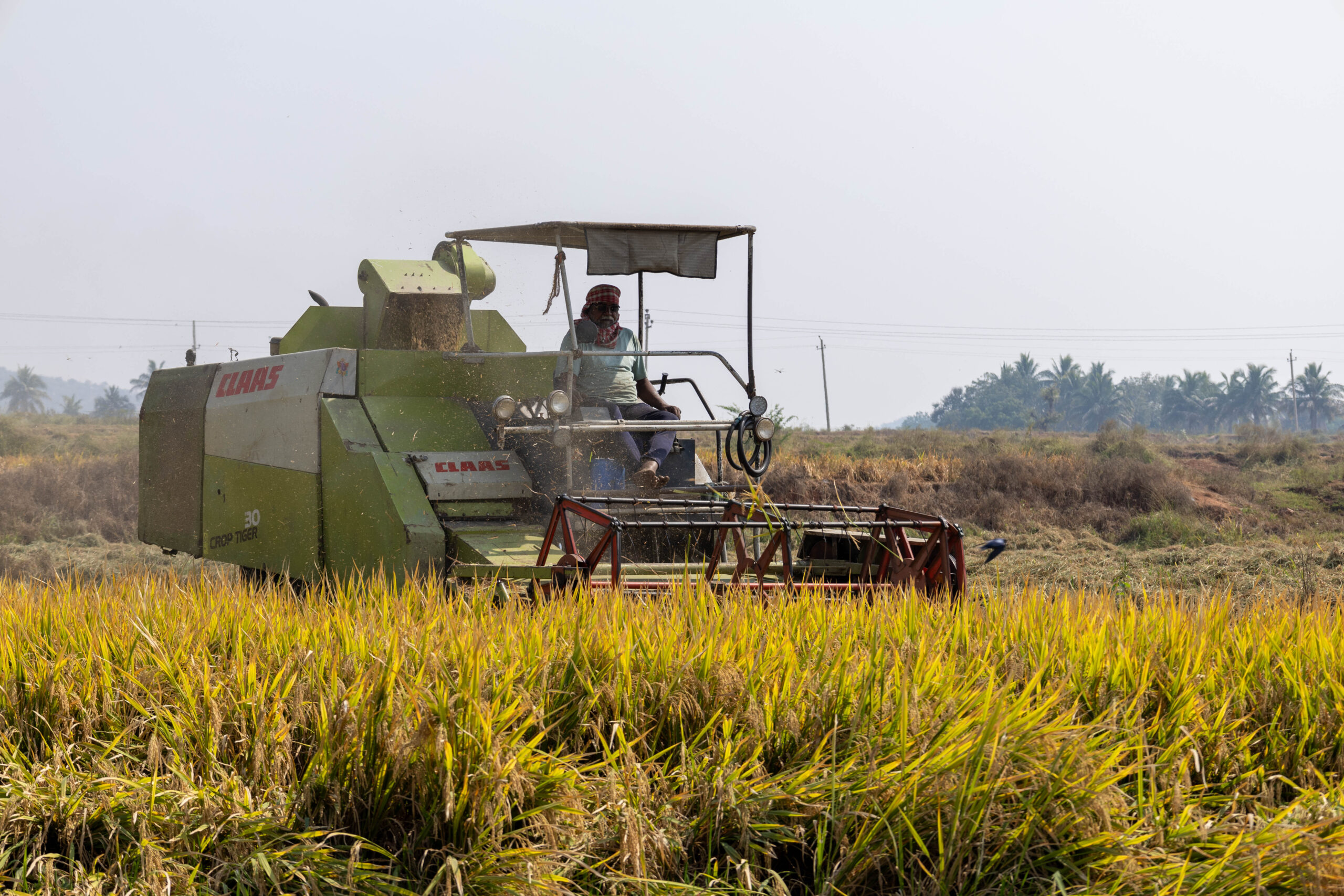
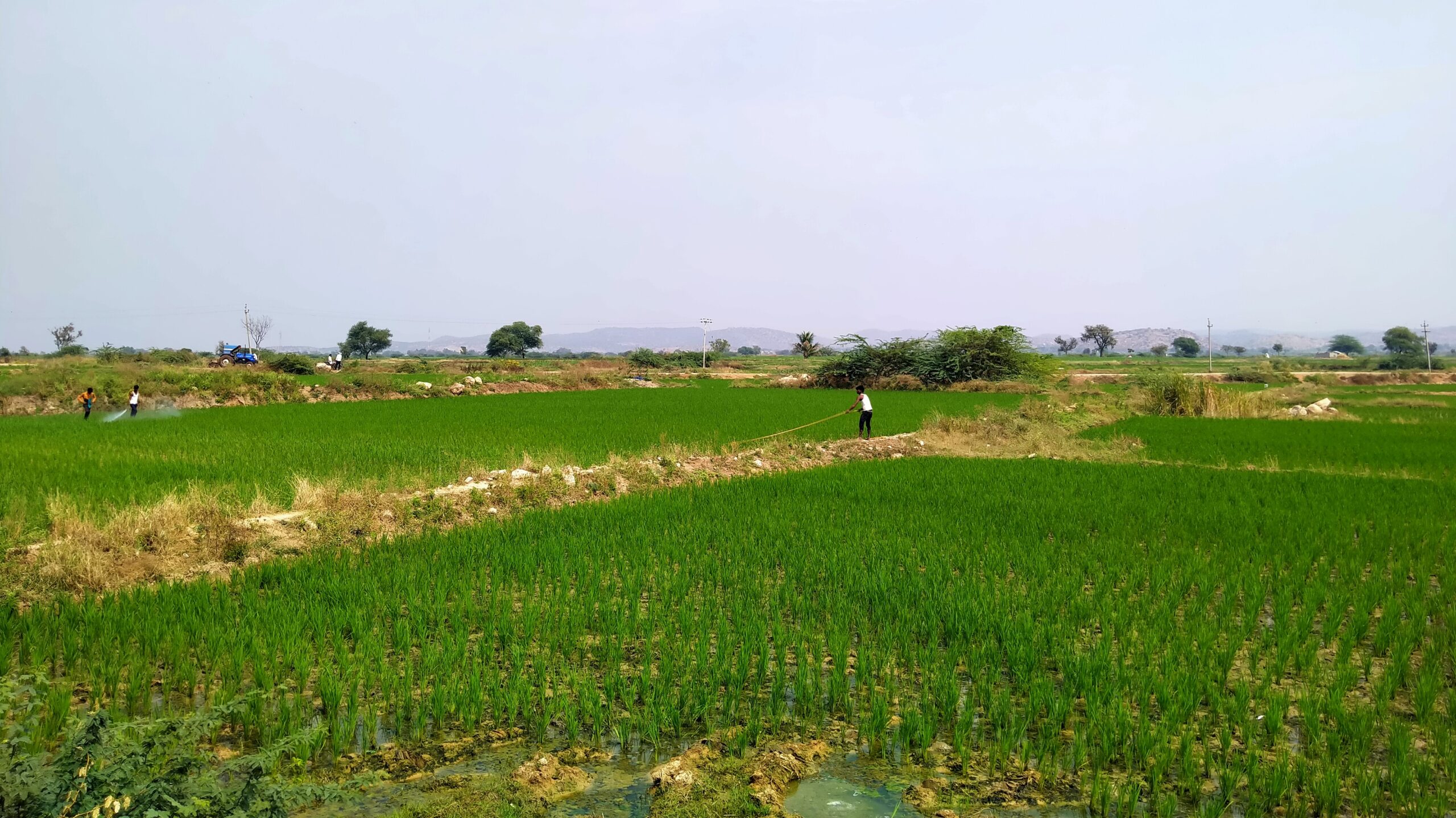
The broader agricultural ecosystem continues to favour conventional, chemical-intensive farming.
Photo credit: Nabina Chakraborty
When Ecosystems Support, Farmers Thrive
Our repositories and ground realities are ripe with evidence that the right ecosystem shifts and institutional designs can enable farmers to both adopt and sustain agronomic practices. The Odisha Millets Mission has ensured longevity by empowering local federations to manage seed banks and agricultural processing units, linking improved cultivation with assured procurement for their yield and the value-added millet products.
The Andhra Pradesh Community-managed Natural Farming (APCNF) initiative integrated women’s self-help groups, trained community resource persons, and local bio-input centres as central nodes. Farmers were able to access inputs, knowledge, and markets through village clusters, making the adoption local, accessible at the last-mile, and sustainable.
In Sikkim, India’s first organic state, the transformation was made possible through consistent policy support, procurement reforms, and public awareness efforts that aligned multiple institutions over time. These experiences underscore a simple truth, that sustained adoption is not just about agronomy, but also about the ecosystem that surrounds it. For farmers to sustain, a clear transition from project-based promotion to ecosystem-based support is critical. This requires a series of actions across different verticals.
In terms of market-based support, it can include building local supply chains for bio-inputs, seeds, and small-scale mechanisation. For this to work, however, farmers will require long-term extension and handholding support, which can be done by creating a pool of local cadre and resource centres. Further, ecosystem stakeholders will have to recognise transitional pathways rather than enforcing purity tests, and facilitate alignment among research, policy, and the market to reinforce continuity.
Acknowledgements
Authored by Ashima Chaudhary
Edited by Sahana S
Follow us and stay updated about our work:
Related Posts
-
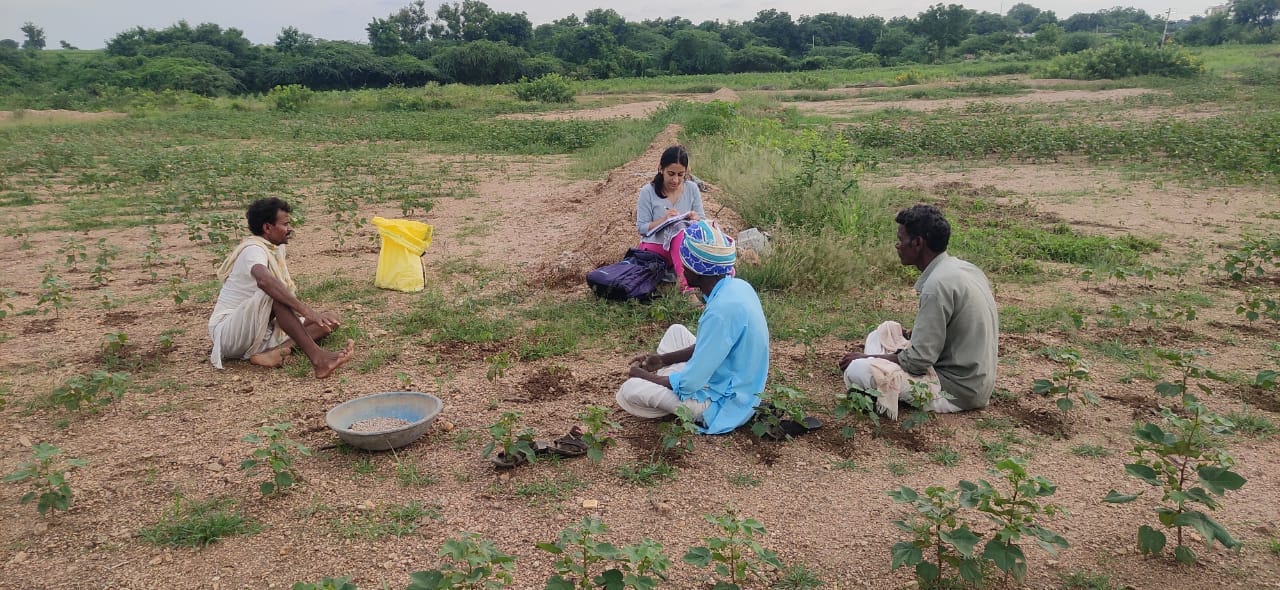
Raichur Land Restoration Pilot: How We Studied the Local Context
-
Field Notes from Sittilingi Valley: How a Farmer Collective Addresses Both Healthcare and Agrarian Distress
The Sittilingi Organic Farmers Association (SOFA) shows how collectives founded on strong community values can benefit small and marginal farmers and the local ecology.
-
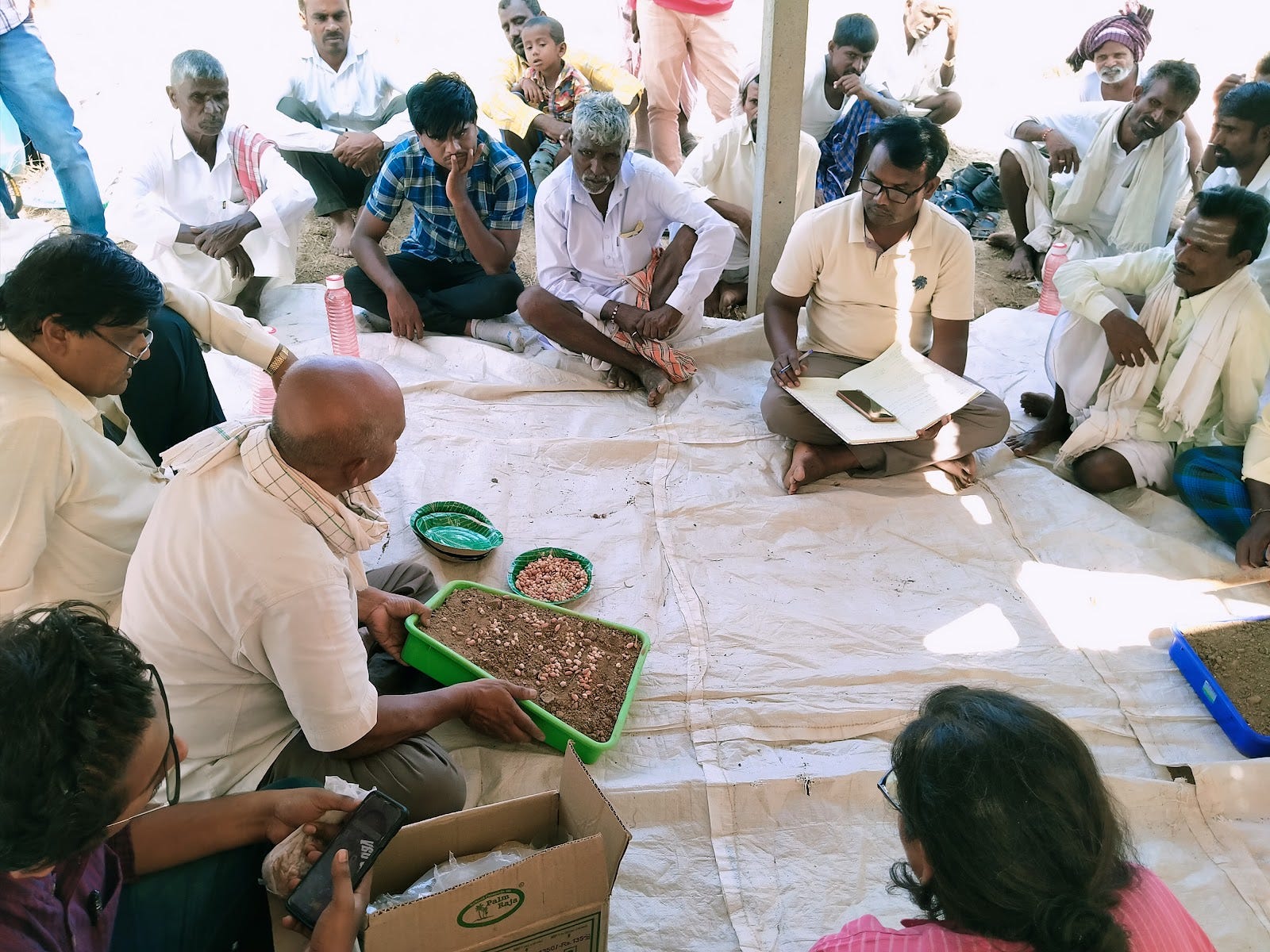
Soil Workshop in Raichur: Farmers Keen on New Methods to Rebuild Soils
Around 35 farmers attended the two-day workshop held in Raichur’s Devadurga taluk to learn about how they can test and improve soil quality,
-
Part 1: Journey Mapping to Plan the Future of Mukkanal’s Farmers
Through journey mapping, farmers can have a say in the blueprints of their own progress
-
Part 2: Livelihood Lessons and Insights from Journey Mapping in Mukkanal
A journey mapping exercise gave us a deeper understanding of livelihood patterns, challenges, and the impact of land degradation on households in our land restoration pilot site
-
Explainer: How Green Manure Can Help Degraded Farmlands Sustain Themselves
The traditional agricultural practice of green leaves manure involves creating manure and fertiliser from natural, homegrown plants as sources of various nutrients for soil