
Labour and Water Conservation with Karan Misquitta
Water conservation in India has never been just about water. For over a century, it has been deeply intertwined with labour, livelihoods, and the ways in which the state responds to drought and rural distress.
In this episode of The WELL Labs Show, Karan Misquitta speaks with Pavan Srinath about the long and complex history of watershed development in India — from its origins in colonial famine relief programmes to its evolution into large-scale public policy and, more recently, technology-driven interventions.
The episode begins with a simple question: what is a watershed? Karan explains how watershed development takes a holistic view of landscapes — from ridges to valleys — using interventions like bunds, trenches, percolation tanks, and check dams to slow water, reduce soil erosion, and improve groundwater recharge.
It then traces how watershed development has been shaped by labour. From colonial drought relief works to programmes like Maharashtra’s Employment Guarantee Scheme, these efforts laid the foundation for scaling soil and water conservation across India.
A central theme is the tension between employment generation and effective water systems. Labour-led approaches often created fragmented outcomes, while recent decades have seen a shift to machine-led interventions — faster, deeper, and more capital-intensive.
This raises key questions: what happens to participation when machines replace labour? How do we assess recharge-based interventions? And how should we think about scale?
Drawing on Maharashtra’s experience, the episode highlights how both approaches are shaped by incentives, technology, and changing rural realities — and why better measurement, deeper understanding of farmer behaviour, and smarter policy design are critical going forward.
This episode is particularly relevant for practitioners, researchers, and policymakers working on water, agriculture, rural livelihoods, and climate resilience. It offers both a historical lens and a contemporary perspective on how India’s water landscapes continue to evolve.
Karan Misquitta is a Senior Researcher at WELL Labs, with a PhD in Geography. His work focuses on groundwater, rural water systems, and the political economy of watershed development in India.
Pavan Srinath is the Managing Partner for Communications and Development at WELL Labs. Pavan is a communications and public policy professional who has spent over 14 years working in Bangalore’s not-for-profit sector.
The WELL Labs Show features rich conversations on water, environment, land and livelihoods, from the people and partners of WELL Labs. Hosted by Pavan Srinath and occasionally guest-hosted by colleagues from WELL Labs, each episode explores complex environmental and social issues and helps you understand the systems and the dynamics better.
Resources:
- Karan Misquitta: LinkedIn | Google Scholar
- Pavan Srinath: LinkedIn | WELL Labs Website
- The Social Science of Water: Beyond Hydrology ft Trevor Birkenholtz | Water Data Podcast
- Mahatma Gandhi NREGA
- Department of Land Resources, Ministry of Rural Development, Government of India
- Jalyukt-Shivar
- Watershed development guidelines (Govt. of India)
- Trevor Birkenholtz | Penn State Department of Geography
- International Water Management Institute
The WELL Labs Show features rich conversations on water, environment, land and livelihoods, from the people and partners of WELL Labs. Hosted by Pavan Srinath, each episode explores complex environmental and social issues and helps you understand systems and dynamics better.
Subscribe to The WELL Labs show on the WELL Labs YouTube channel.
Recording by Nabina Chakraborty, Nanditha Gogate and Vraj Acharya
Video editing by Ranjith Kumar S
Graphics and artwork by Kanishka Goyal and Aparna Nambiar
Podcast production and management by Nabina Chakraborty and Pavan Srinath
Follow us to stay updated about our work.
Related Posts
Related Posts
-
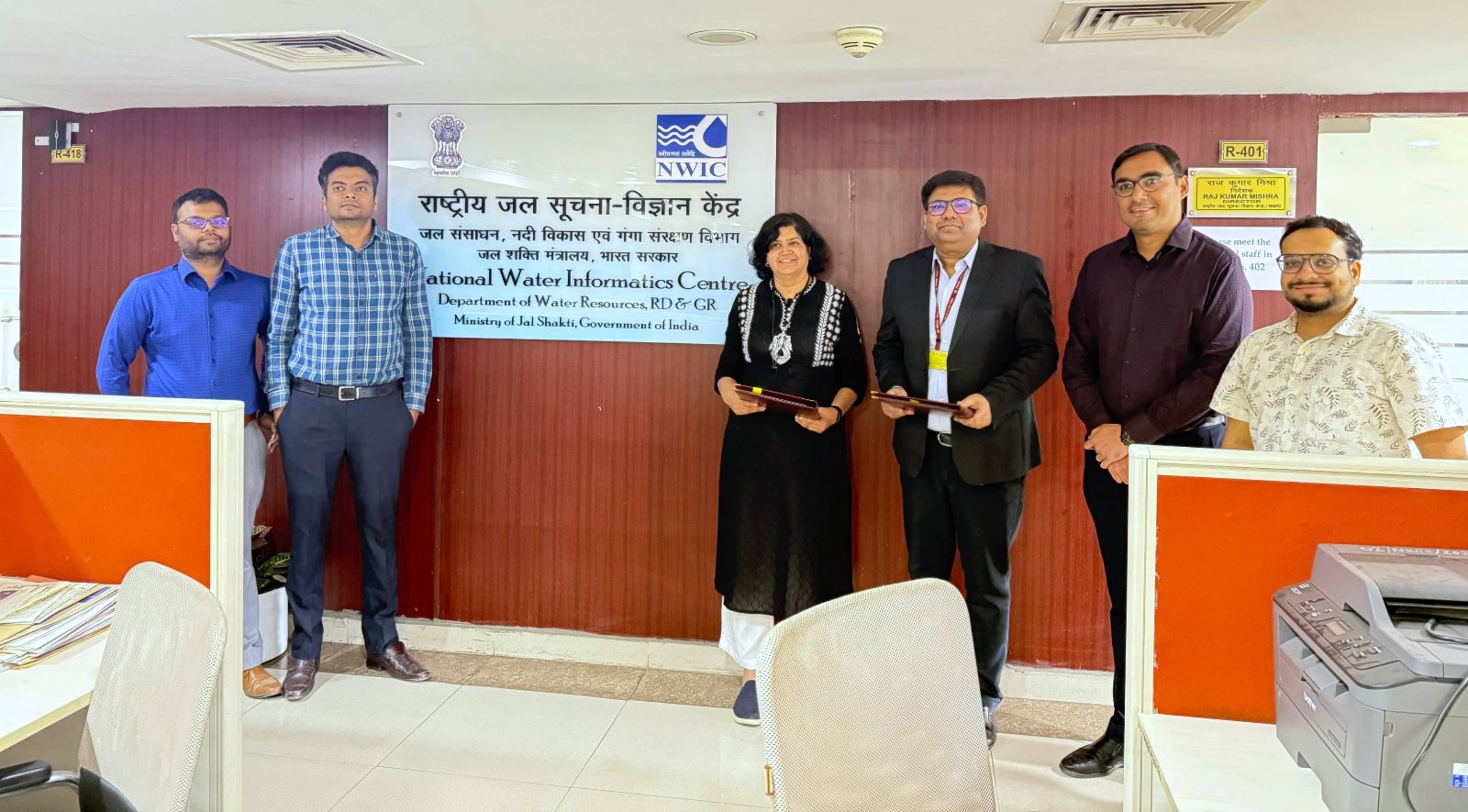
WELL Labs signs an MoU with the National Water Informatics Centre, Ministry of Jal Shakti
This partnership is a significant step toward enhancing water data ecosystem of India.
-

WELL Labs’ Values: Fostering Deep Empathy, Problem-First Thinking, and Scientific Excellence, Among Others
Learn more about the values the WELL Labs team aims for in its work of transforming water systems across India
-

Welcome Back to the Water Data Podcast!
The Water Data Podcast is a talk show on the science, systems, and stories of water hosted by Veena Srinivasan. Every other Tuesday, sit down and listen to researchers, innovators, government offic...
-
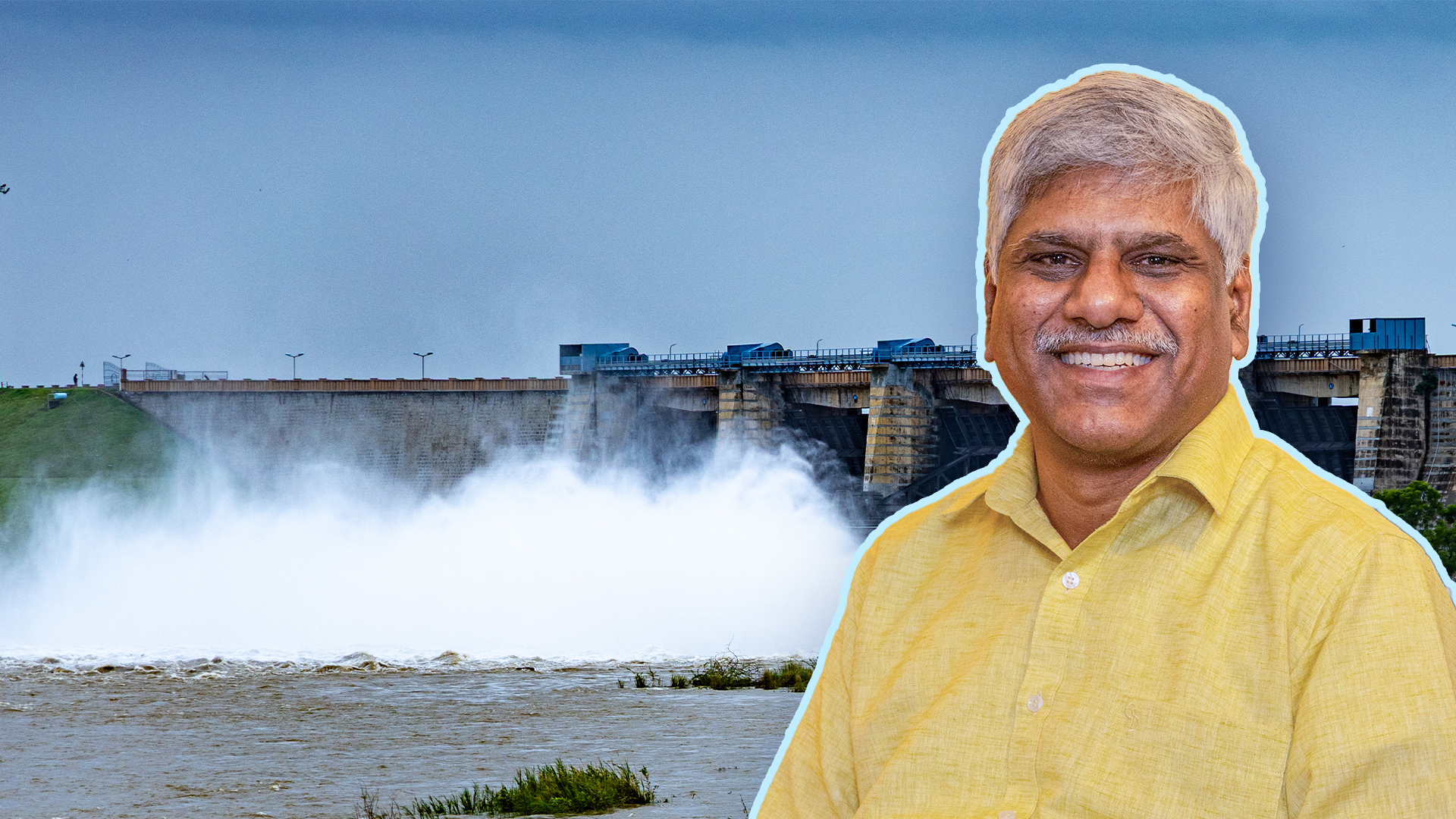
Governing Water Resources with Dr Somasekhar Rao
Dr Somasekhar Rao has a wide-ranging discussion with host Veena Srinivasan on the first episode of Season 2 of the Water Data Podcast.
-
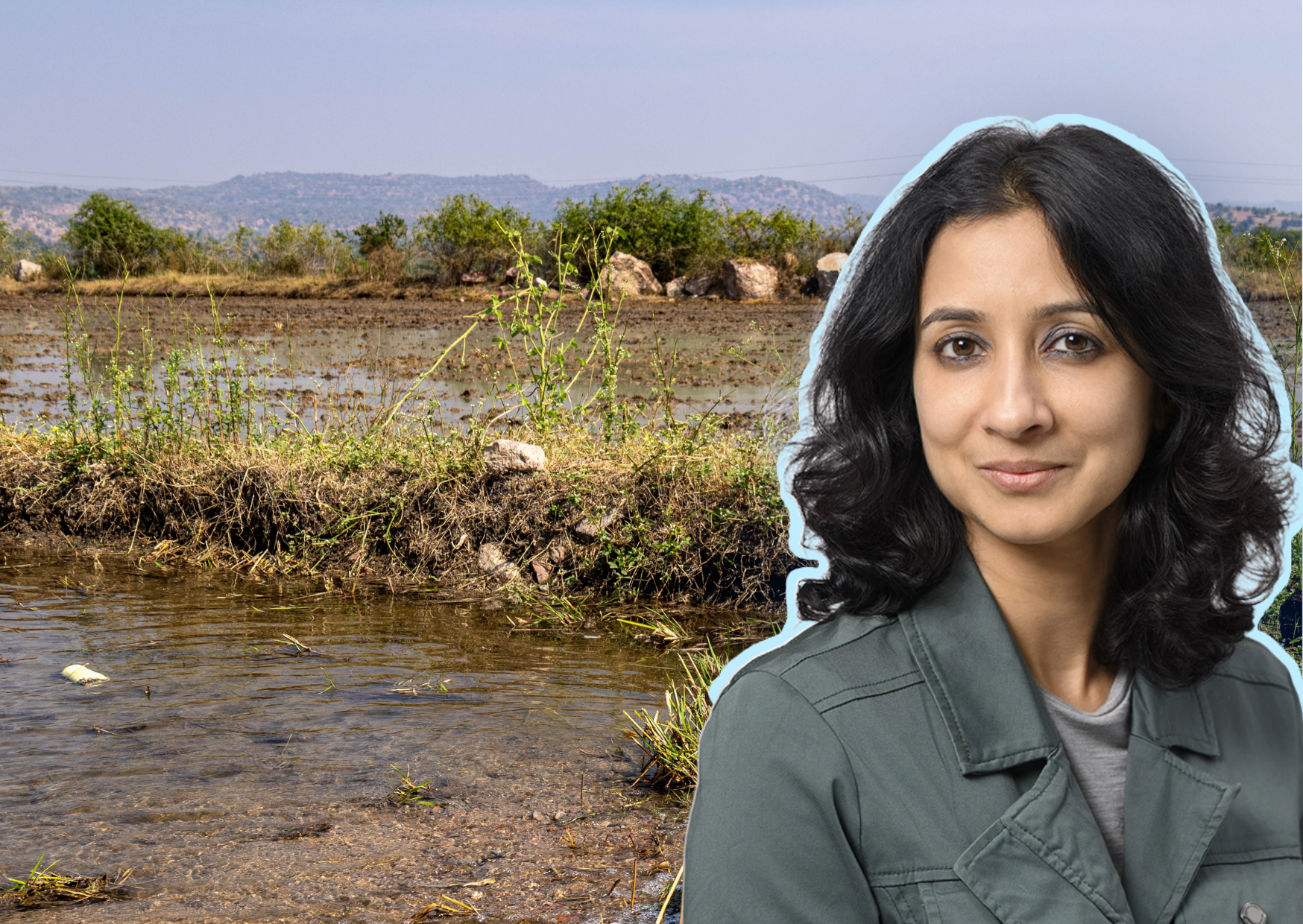
Groundwater and Markets with Dr Soumya Balasubramanya
Dr Soumya Balasubramanya has a wide-ranging discussion with host Veena Srinivasan on the second episode of Season 2 of the Water Data Podcast.
-
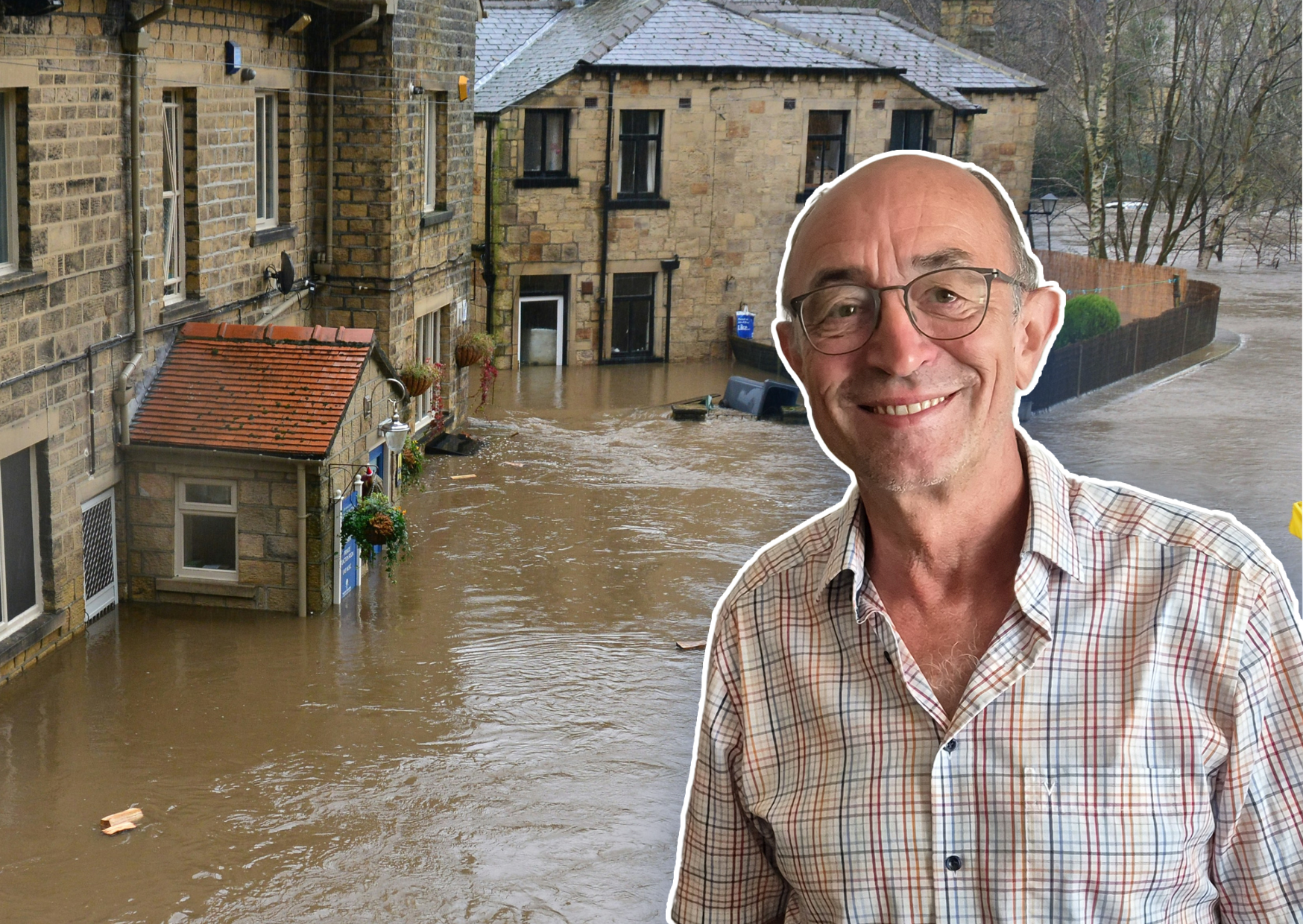
Flood Science and Management with Dr Günter Blöschl
Stockholm Water Prize 2025 winner Dr Guenter Bloeschl shares a masterclass on the science and management of floods on the third episode of Season 2 of the Water Data Podcast