Research
Welcome to WELL Labs’ knowledge repository. As a futures institute that enables research-based solutions and impact, we prioritise making our insights accessible to social innovators, researchers, allied communities and the public at large.
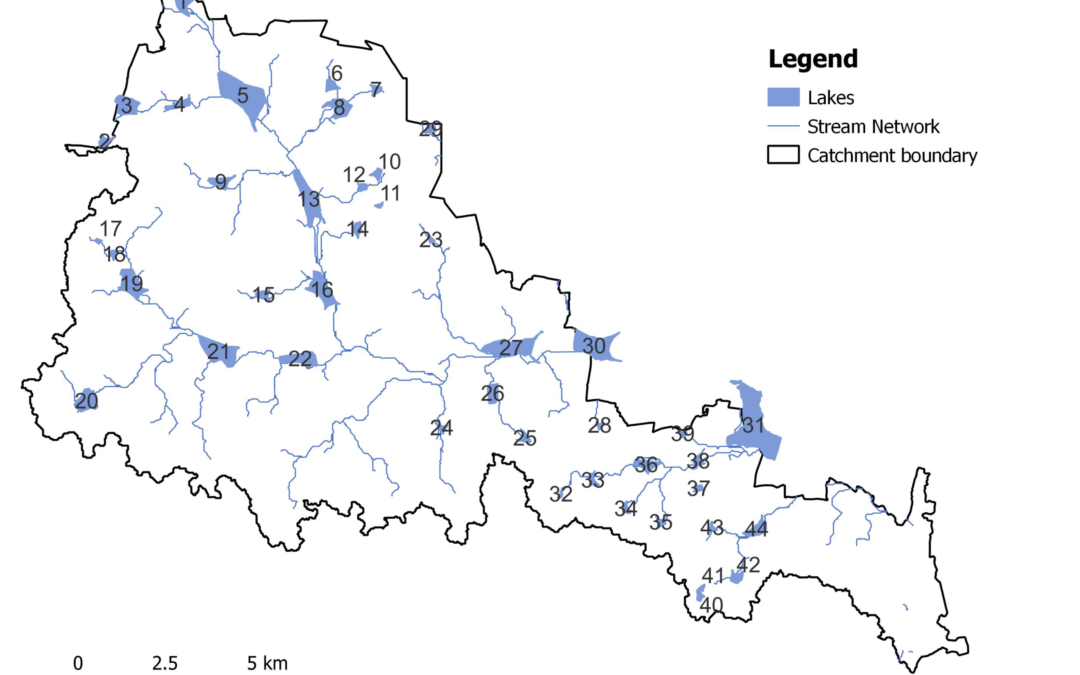
Cascading urban lakes: how spatial, temporal, and anthropogenic characteristics control lake behavior
This study investigates how upstream–downstream interactions, temporal changes and human interventions shape lake behavior and function.
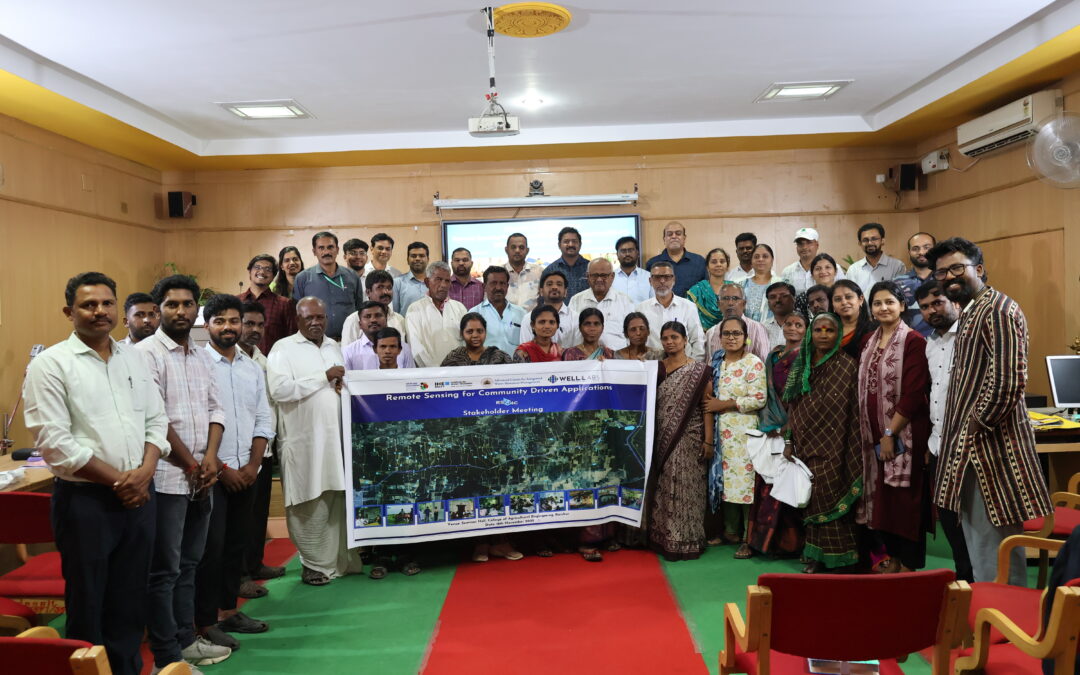
Remote Sensing for Community Driven Applications – Stakeholder Meeting Report
The RS4C Stakeholder Meeting identified, validated, and prioritised feasible RS use cases across water, soil, crop, and climate dimensions. This report details context of the project, proceedings of the workshop, and insights generated from the same.
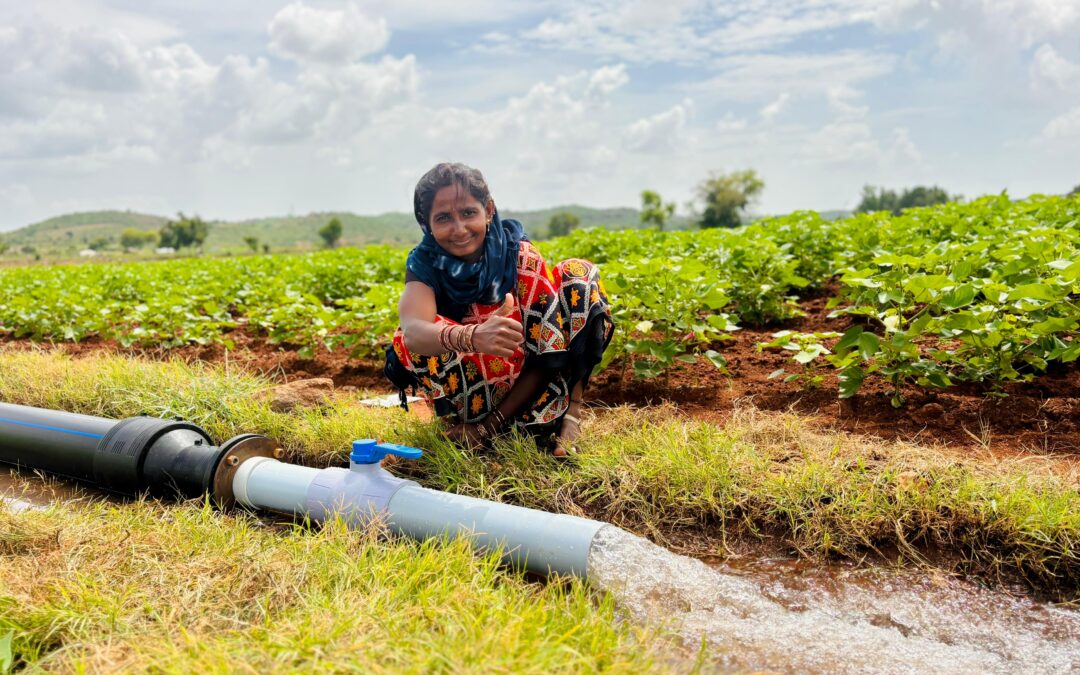
Building Community Expertise in Water Management: Insights From a Community Hydrology Programme in Raichur, Karnataka
When communities can measure and analyse their water systems, they are better equipped to make informed choices, negotiate water use, and participate meaningfully in local water governance institutions
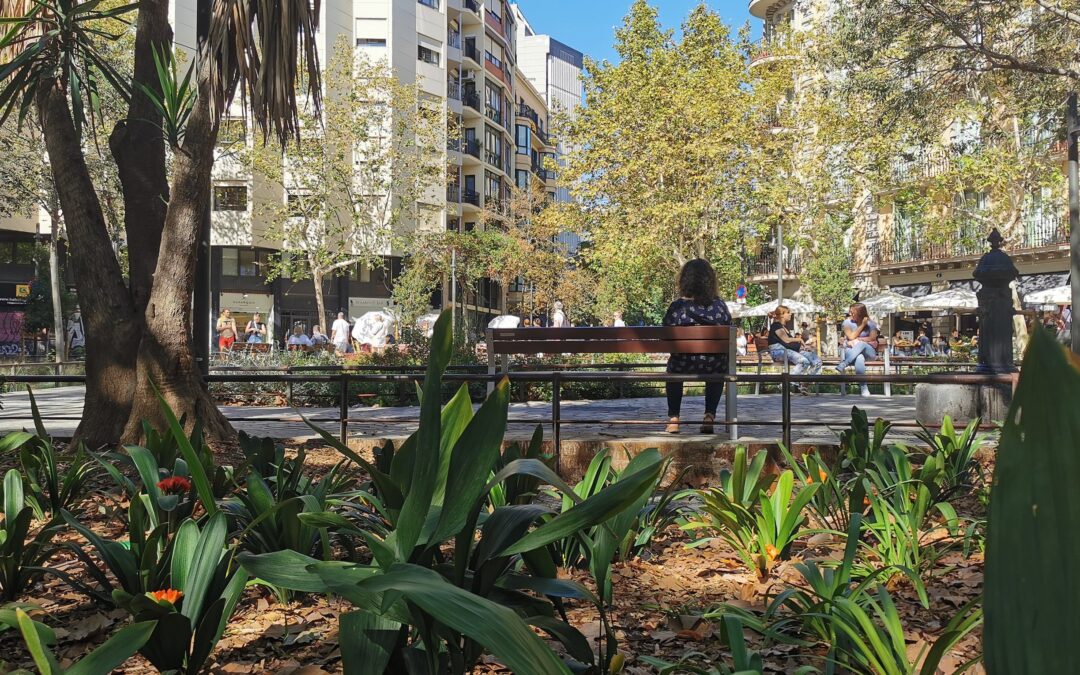
How India Can Promote Nature-Based Solutions: Lessons from Singapore, China, and the European Union
In this insight brief, we examine how Singapore, China, and the European Union facilitated research, policies, integrated governance, funding, and participatory planning for the large-scale adoption of nature-based solutions
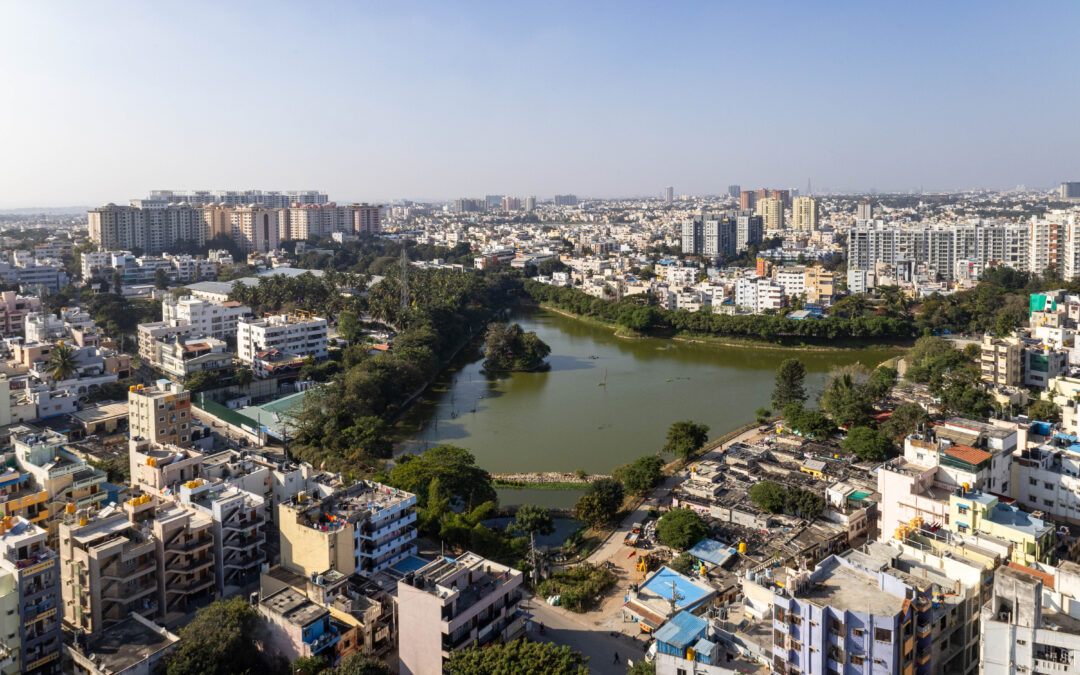
Strategies to Catalyse Safe, Efficient, and Reliable Decentralised Water Reuse in Bengaluru
WELL Labs has partnered with the Swiss Federal Aquatic Institute of Science and Technology (Eawag) to research decentralised wastewater treatment and reuse and enable their adoption in Bengaluru for improved water security
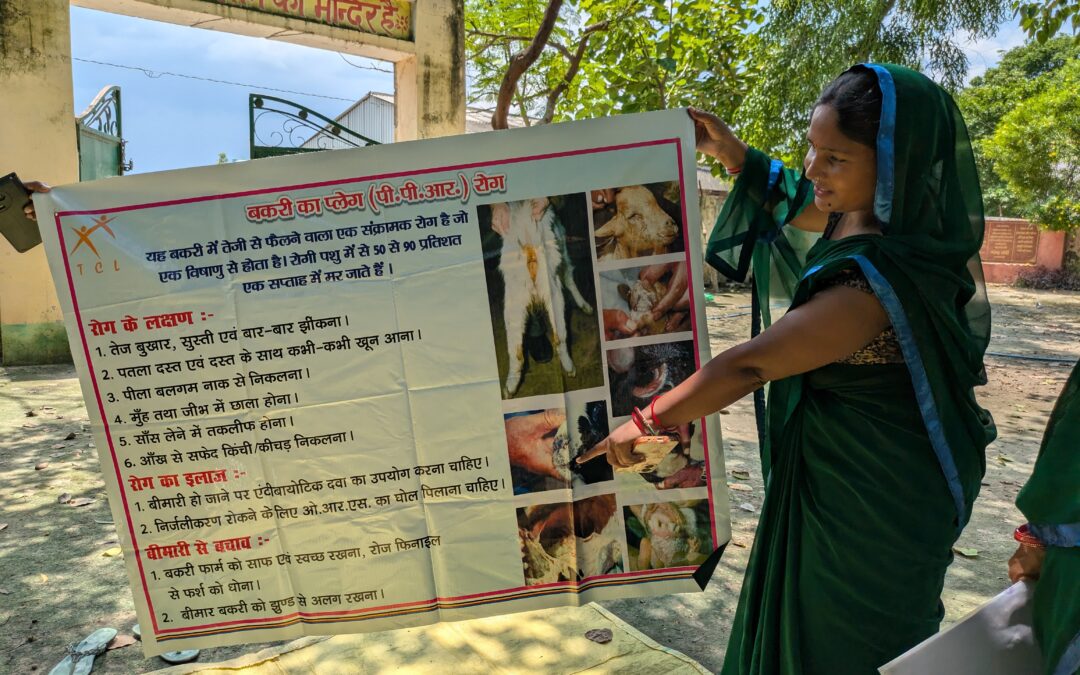
A Simple Guide to Making an Effective Playbook
Gargi Anand and Smita Kumar lay out how to document and share solutions using playbooks for the development sector
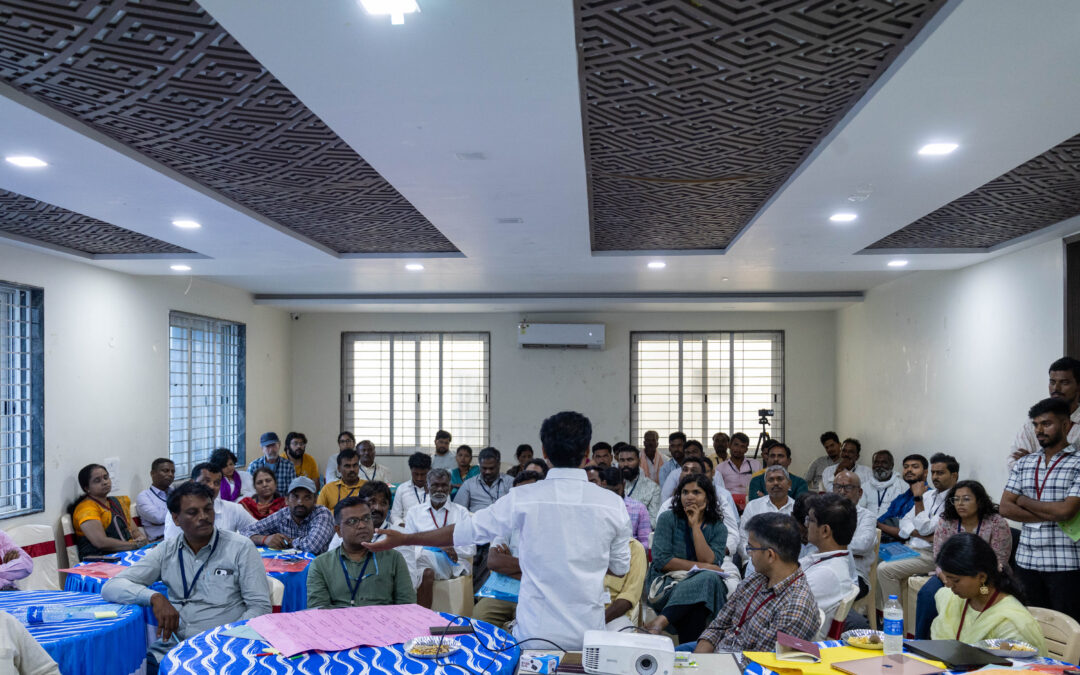
Raichur 2047: Imagining Flourishing Futures
The Raichur Visioning workshop invited residents and diverse, local stakeholders of Raichur to imagine the future of the city in 2047. This report details the method used, proceedings of the workshop, and insights generated from the same.
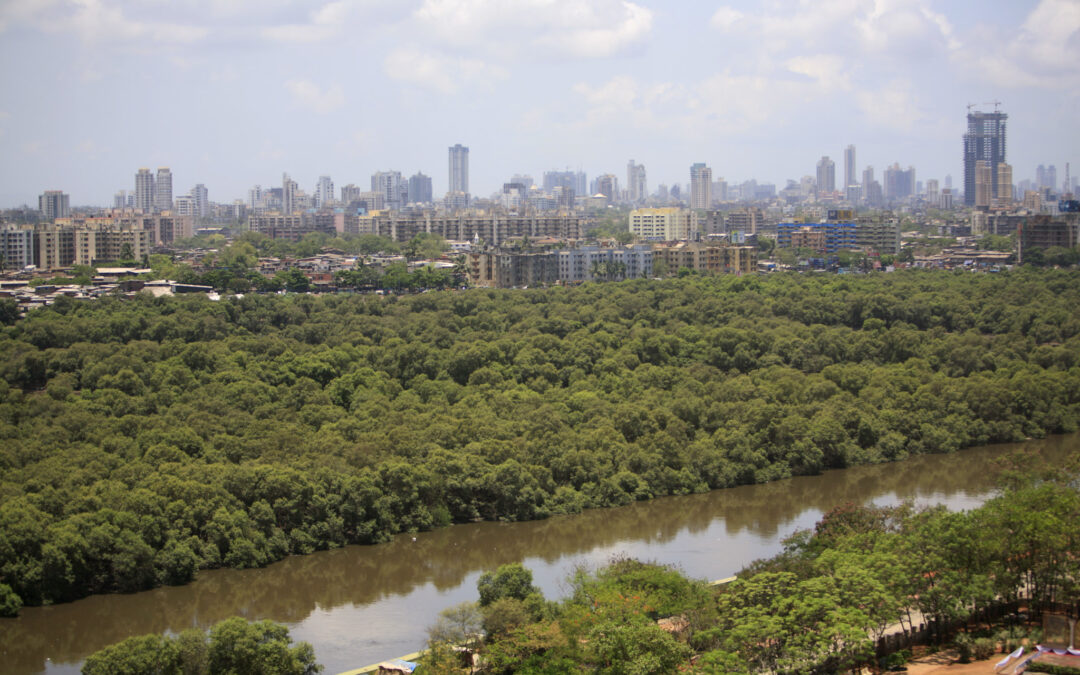
Barriers to Mainstreaming Nature-Based Solutions in Urban India
Our study delves into the barriers to the large-scale adoption of nature-based solutions in Indian cities, synthesises insights from other geographies, and explores solutions
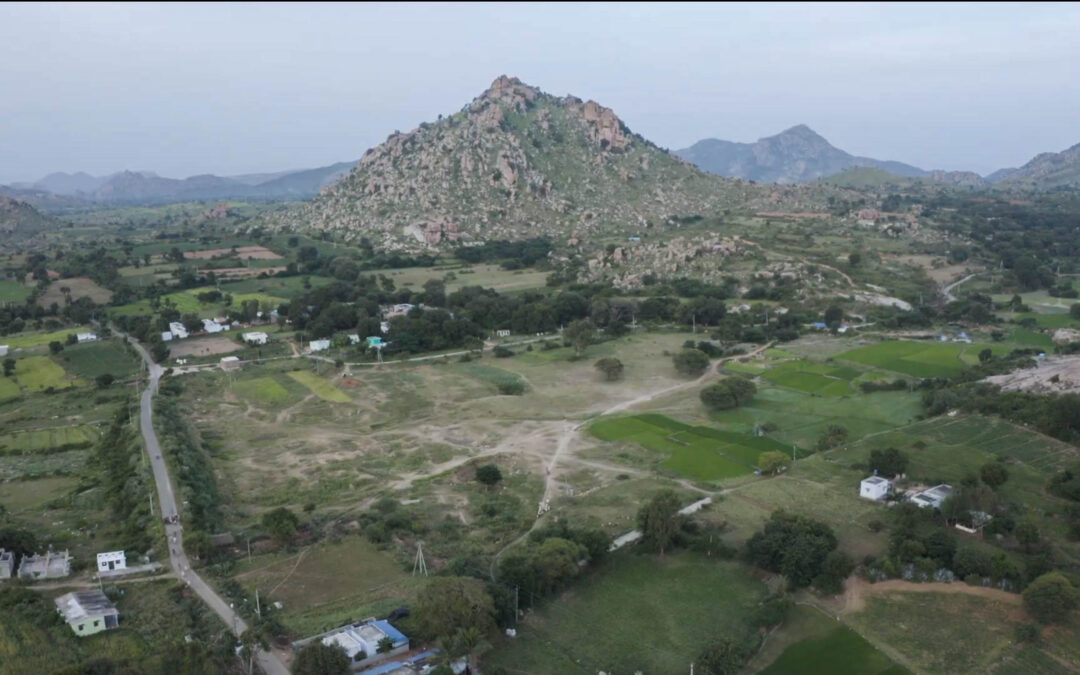
Impact Assessment of Groundwater Collectivisation in Andhra Pradesh and Telangana
This study assesses WASSAN’s groundwater collectivisation programme in Andhra Pradesh and Telangana, which improved irrigation access and reduced borewell drilling through shared infrastructure. It highlights the potential for scaling in regions facing water scarcity and fragmented irrigation access.
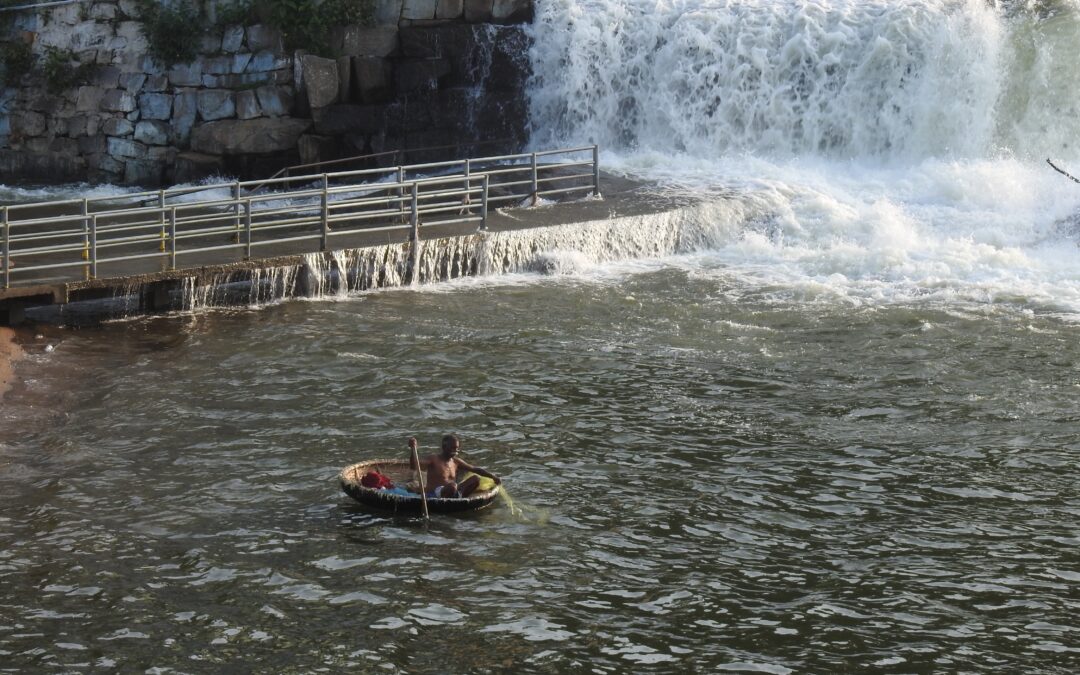
Wading Through The Complexity of India’s Surface Water Resources
Chapter published in The Hindu e-Books