
Seed Treatment: A Step Towards Sustainable Agriculture in Raichur and Koppal
A view of untreated (left) and treated (right) cotton plots. Photo credit: Lokappa Nayak
Basappa and Hussain are neighbouring farmers in Mukanhal village of Raichur district, Karnataka, and both grow cotton. During harvest, however, a discrepancy was observed in their yield. While Basappa obtained 10 quintals in one acre, Hussain, who farms in an adjacent land, obtained only 8 quintals for the same area. What explains this additional 2 quintals per acre?
This significant yield advantage was achieved through a relatively small investment at the seed stage: through seed treatment. Seed treatment is the coating of seeds or seedlings with beneficial microorganisms to improve germination, root growth, disease resistance, and yield. Applied before sowing or transplanting, it helps ensure a healthy crop start.
Why Seed Treatment Is Essential
When a seed is sown, it begins its journey by absorbing moisture. Under the right conditions (i.e. water, temperature, and oxygen), this moisture activates enzymes within the seed, which break down the stored food reserves and provide the energy needed for the radicle to anchor the young plant in the soil.
The germination and early seedling stage is one of the most critical phases in a plant’s life. At this point, the seedling is extremely tender and sensitive. With a weak and underdeveloped root system, it survives on limited internal energy reserves. Even minor stresses during this stage can disrupt normal growth, leading to poor plant establishment or even loss.
Young seedlings are vulnerable to both abiotic and biotic stresses. Abiotic stresses, such as moisture, temperature fluctuations, and soil conditions, can damage seedlings. Biotic stresses, such as seed and soil borne fungal diseases, can cause damping-off (root and stem rot). These infections often attack the seed or seedling before or just after emergence, resulting in wilting, collapse, and reduced plant population, ultimately affecting crop yield.
Thus, seeds sown without protection are likely to encounter threats such as fungal infections, nutrient deficiency, and pest attack, during the most vulnerable stage of growth. Seed treatment can help safeguard the seeds against these issues.
The Cases in Raichur and Koppal
In the dryland villages of Raichur and Koppal, farmers often struggle with various problems, such as low seed germination, weak seedlings, soil and seed borne diseases, and poor early growth. This could primarily be due to the soil in the region, which is characterised by low levels of organic carbon and nitrogen, and moderate levels of phosphorus, potassium, and sulphur. Such imbalanced and nutrient-stressed soils weaken early crop establishment.
Seed treatment, which involves coating the seeds with biofertilisers and biopesticides, acts as a protective shield and as a growth enhancer. It enables farmers to:
- Strengthen germination
- Improve root development
- Boost nutrient availability
- Protect seedlings from early diseases
- Reduce crop loss
- Increase yield potential
Seed Treatment Procedure
This section highlights the bio-inputs typically used for seed treatment. It also provides steps on how to treat the seeds so they grow into strong, healthy plants.
| Culture/Bio-input | Target Crops | Dosage | Function/Benefit |
|---|---|---|---|
| Trichoderma viride | All crops (cereals, pulses, vegetables) | 4 g per kg seed | Controls soil and seed borne diseases. Promotes root health. |
| Phosphate Solubilizing Bacteria (PSB) | All crops | 10 g per kg seed | Converts insoluble phosphorus into plant-available form, improving nutrient uptake. |
| Rhizobium | Pulses (e.g. redgram, greengram, and cowpea) | 10 g per kg seed | Enhances nitrogen fixation through root nodules, promoting green, vigorous plants. |
| Azospirillum/ Azotobactor | Cereals (e.g. paddy, maize, and millets) | 10 g per kg seed | Fixes atmospheric nitrogen. Stimulates root growth and tillering. |
The procedure for seed treatment is detailed below:
- Prepare a jaggery solution (50 g jaggery + 500 ml water), and mix all the bio-cultures mentioned in the table (Trichoderma, PSB, Rhizobium, and Azospirillum), as per the recommendation.
- Coat seeds evenly with the microbial slurry.
- Shade dry for about 30 minutes and sow immediately.
- For vegetable seedlings, dissolve cultures in plain water and dip roots before transplanting.
Impact of Seed Treatment on Cotton Growth and Yield: A Case Study
WELL Labs, in partnership with Prarambha, a grassroots development organisation, promoted seed treatment and conducted field experiments in certain plots to demonstrate the impact of treating seeds with biofertilisers and biopesticides on cotton growth and yield. Under this initiative, 331 farmers across 437 acres in Raichur and Koppal successfully adopted seed treatment.
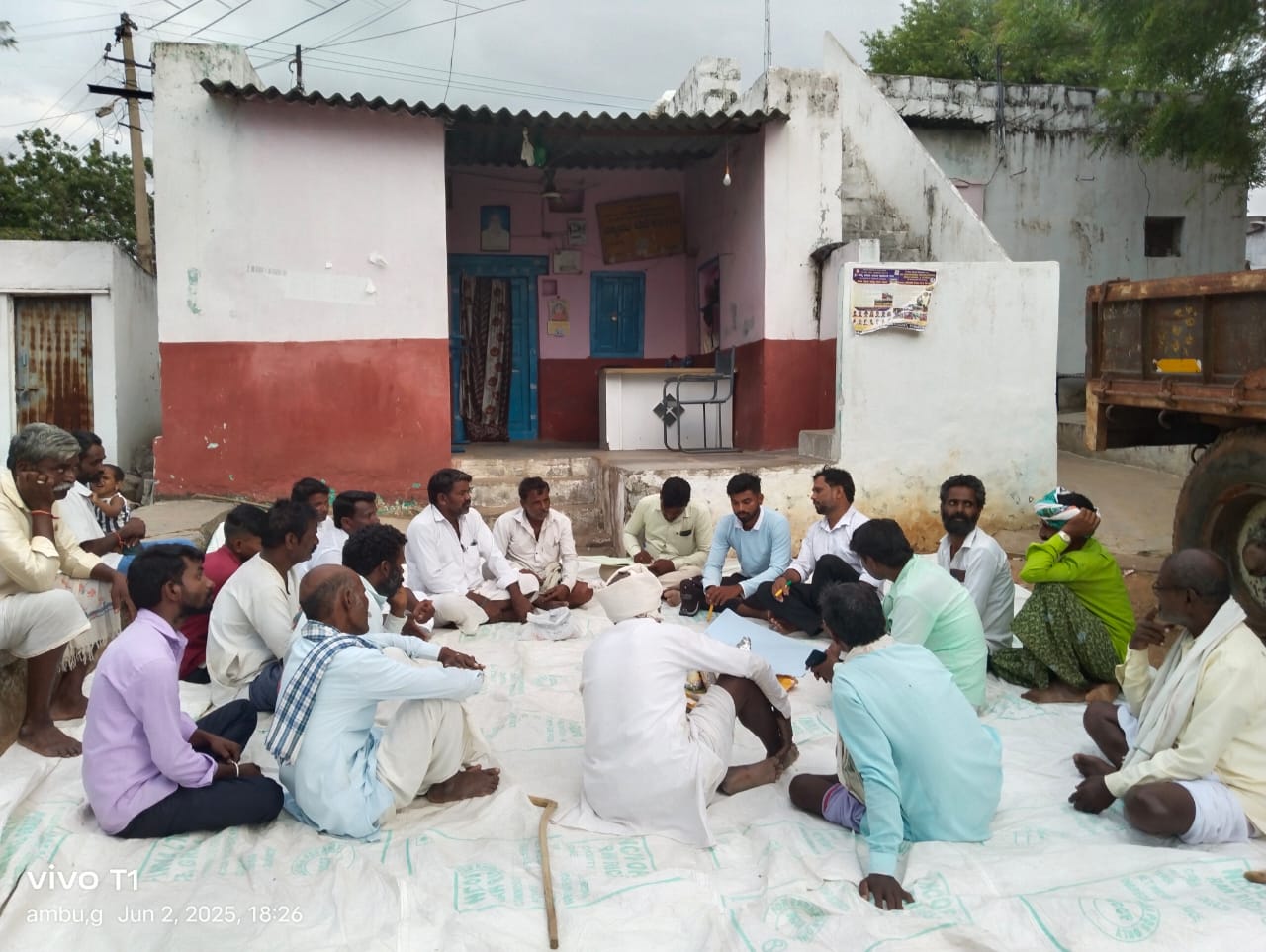
Farmers being informed of the benefits of seed treatment. Photo credit: Revanasiddappa Goudur, Prarambha
Table 1 shows the difference between treated and untreated cotton plants.
| Parameter | Untreated Seeds (Average) | Treated Seeds (Average) |
|---|---|---|
| Plant height (cm) | 114.2 | 118.4 |
| Leaves per plant | 60.2 | 69.2 |
| Branches per plant | 14.4 | 15.8 |
| Bolls per plant | 28.6 | 30.2 |
| Plant population | 84 | 107 |
| Weight of 10 bolls (g) | 190 | 250 |
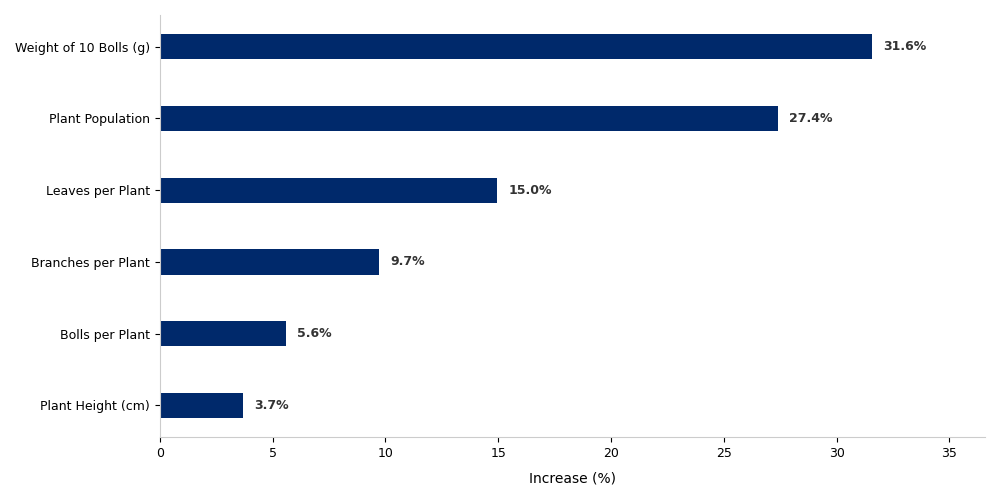
Figure 1: Percentage increase in the plant parameters after seed treatment.
The results clearly demonstrate the benefits of strengthening seeds before sowing. Compared to untreated cotton plants, treated cotton plants reached a higher average height; had higher leaves per plant (reflecting greater photosynthetic capacity); showed improved branching; and had higher numbers of bolls (indicative of enhanced fruiting). Similarly, compared to the population of plants in the untreated plots, that in the treated plots was higher; plants in the treated plots also had heavier bolls, indicating better filling and lint quality. Thus, seed treatment leads to higher yield and improved crop quality.
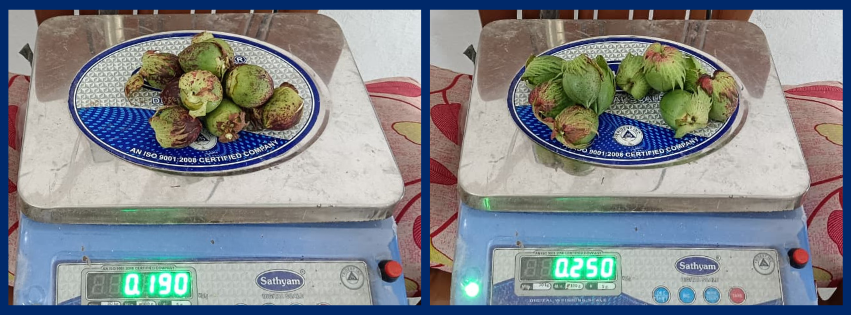
Difference in weights of untreated (left) and treated (right) cotton bolls.
Picture credit: Dashavanthappa Mudalagunda, Prarambha
Furthermore, it is a profit enhancing intervention, offering a low cost, high return solution that can be easily adopted and scaled. The cost of seed treatment depends primarily on the crop’s seed rate. For instance, for cotton and bajra, the recommended seed rate is 2–3 kg per acre. Consequently, the cost is only ₹50 per acre. By contrast, groundnut and chickpea have a recommended seed rate of more than 20 kg per acre. Thus, the cost rises to around ₹350 per acre.
Still, the expense comprises only a small fraction of the total cultivation cost. Indeed, the cost is far lower than the losses that can potentially be incurred due to poor germination or early stage pest and disease attacks. Therefore, investing in seed treatment during sowing yields results throughout the crop cycle, making it an essential practice for sustainable cotton cultivation.
Conclusion
Seed treatment with biofertilisers and biopesticides is a simple, low cost, and highly effective method of improving germination, root health, nutrient uptake, and boll weight. It not only boosts yields but also reduces dependency on chemical inputs, while promoting long term soil and crop health.
A small investment at the seed stage can lead to big gains in the field, making seed treatment a practical, scalable, and sustainable solution for farmers in the region.
Appendix
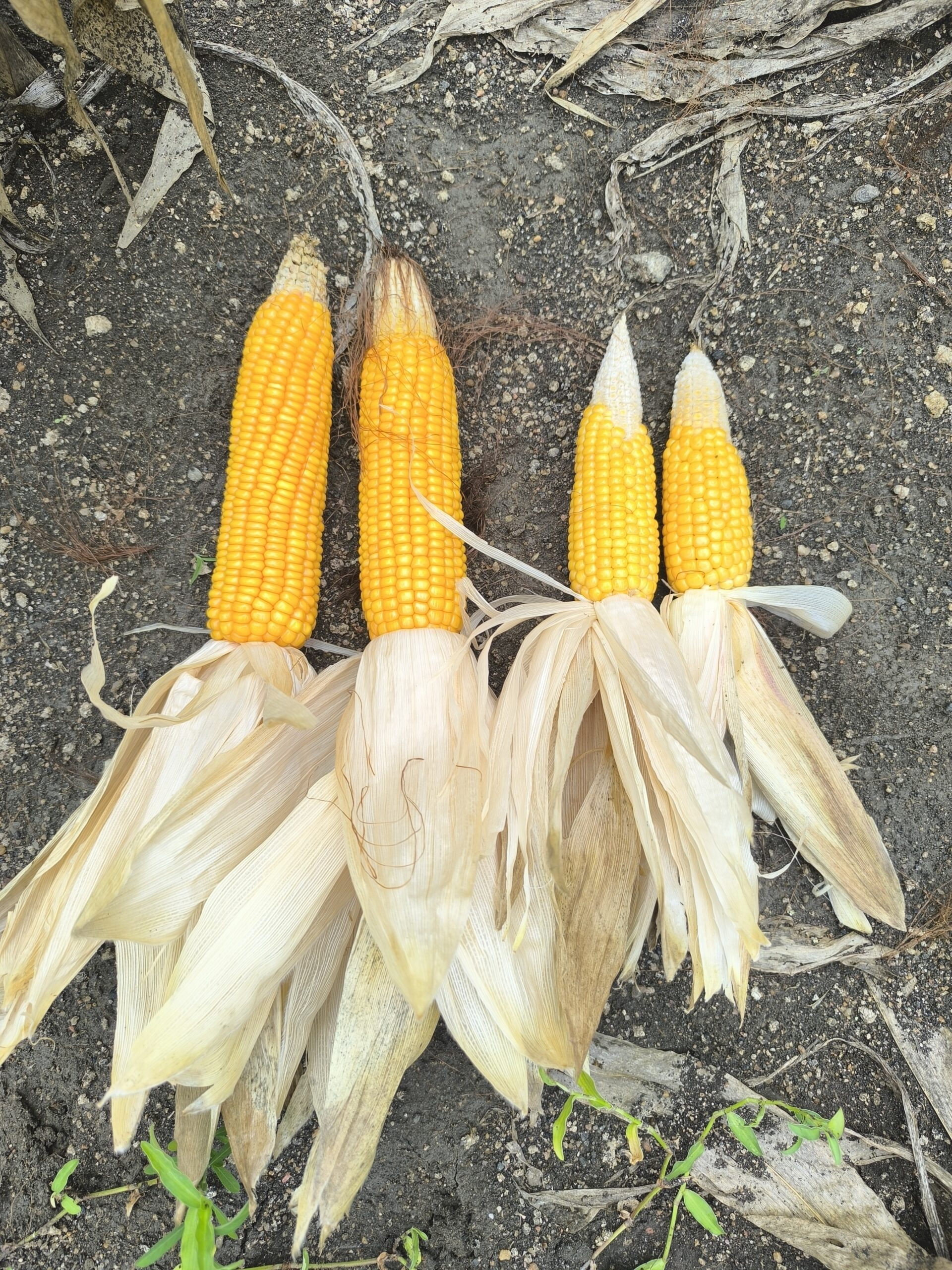
While this research considered the case study of cotton, the farmers who adopted seed treatment witnessed tangible benefits across maize, pulses, and vegetables.
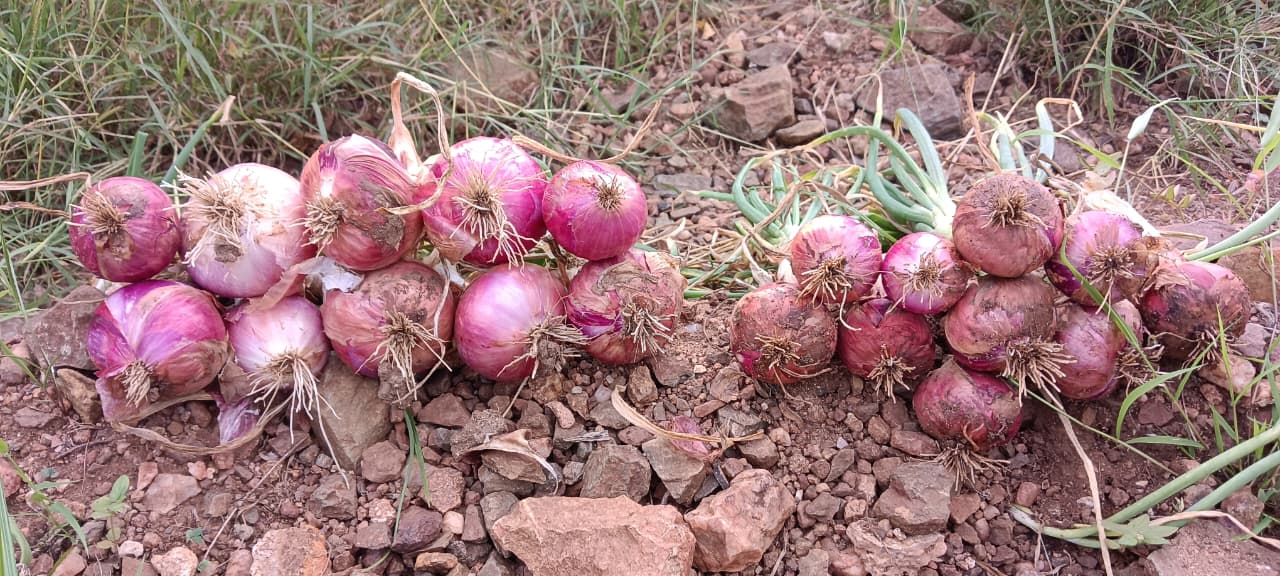
(Above) Treated onion seedlings provided bigger and healthier onion bulbs (left) compared to those harvested from untreated onion seedings (right). | Picture credit: Dashavanthappa Mudalagunda, Prarambha
(Left) Treated maize seeds provided bigger, healthier corn cobs (left) compared to untreated maize seeds, which produced smaller corn cobs (right). | Picture credit: Govindappa Kudagunti, Prarambha
Acknowledgements
This work is supported by DCB Bank and CLARE’s CLARITY project. It was conducted in collaboration with Prarambha.
About CLARE
CLARE is a UK-Canada framework research programme on Climate Adaptation and Resilience, aiming to enable socially inclusive and sustainable action to build resilience to climate change and natural hazards. CLARE is an initiative jointly designed and run by the UK Foreign, Commonwealth and Development Office and Canada’s International Development Research Centre. CLARE is primarily funded by UK aid from the UK government, along with the International Development Research Centre, Canada.
About CLARITY
Climate Adaptation and Resilience in Tropical Drylands (CLARITY), a research project under CLARE, is building equitable, sustainable, and climate-resilient development pathways in tropical drylands. This Global South-led project will result in the creation of long-term assets (data and tools) and capacities to achieve transformational change.
Authored by Lokappa Nayak and Ganesh Masnur
Edited by Apuurva Sridharan
Published by Nanditha Gogate
Follow us and stay updated about our work:
Related Posts
-
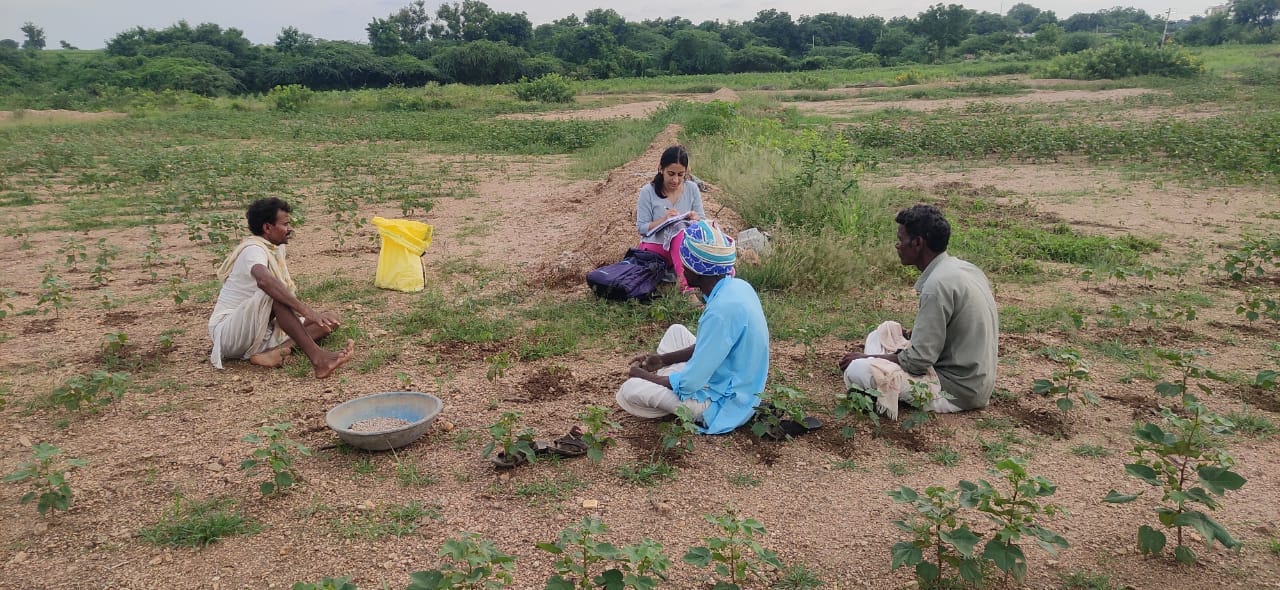
Raichur Land Restoration Pilot: How We Studied the Local Context
-
Field Notes from Sittilingi Valley: How a Farmer Collective Addresses Both Healthcare and Agrarian Distress
The Sittilingi Organic Farmers Association (SOFA) shows how collectives founded on strong community values can benefit small and marginal farmers and the local ecology.
-
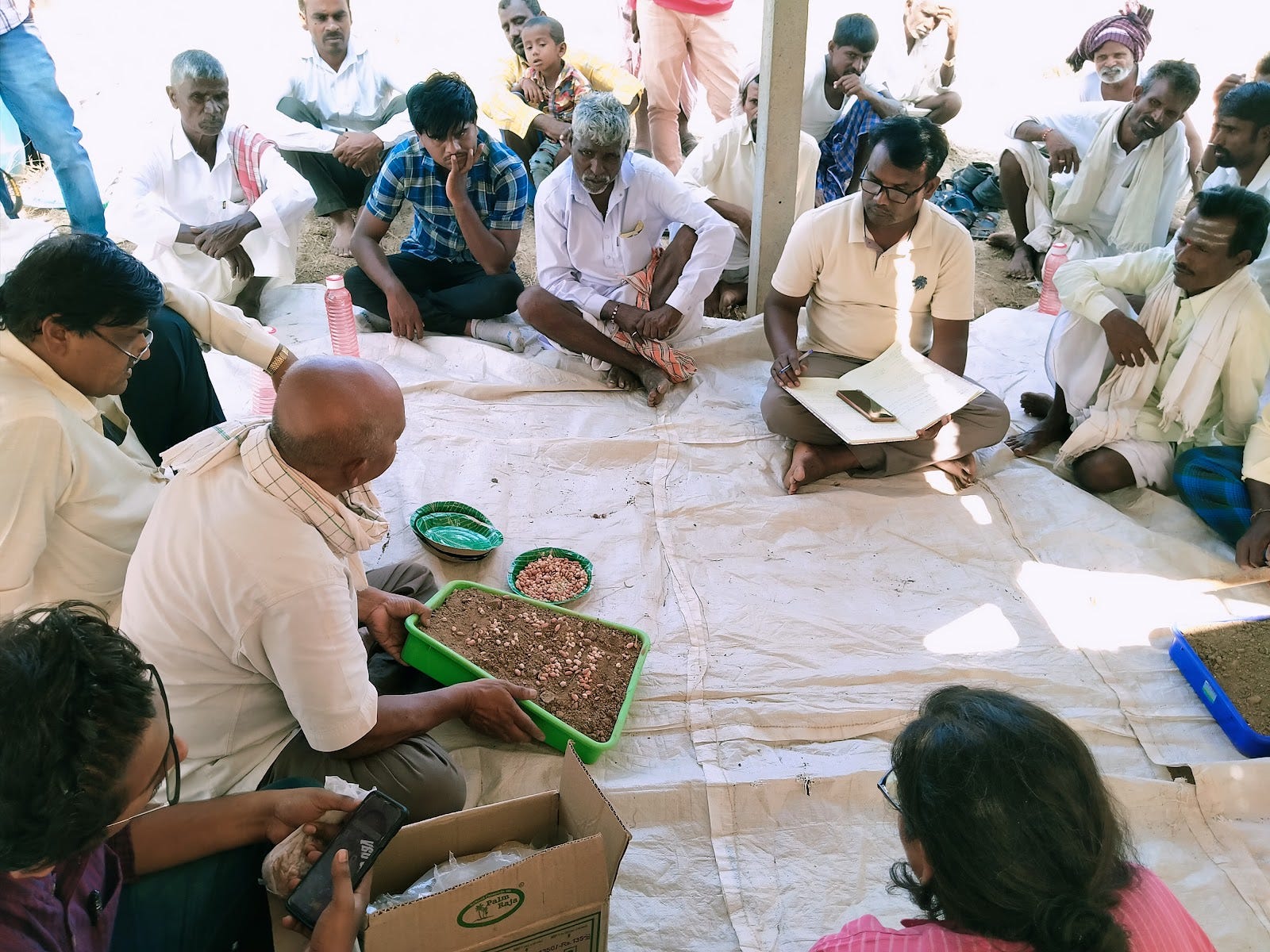
Soil Workshop in Raichur: Farmers Keen on New Methods to Rebuild Soils
Around 35 farmers attended the two-day workshop held in Raichur’s Devadurga taluk to learn about how they can test and improve soil quality,
-
Part 1: Journey Mapping to Plan the Future of Mukkanal’s Farmers
Through journey mapping, farmers can have a say in the blueprints of their own progress
-
Part 2: Livelihood Lessons and Insights from Journey Mapping in Mukkanal
A journey mapping exercise gave us a deeper understanding of livelihood patterns, challenges, and the impact of land degradation on households in our land restoration pilot site
-
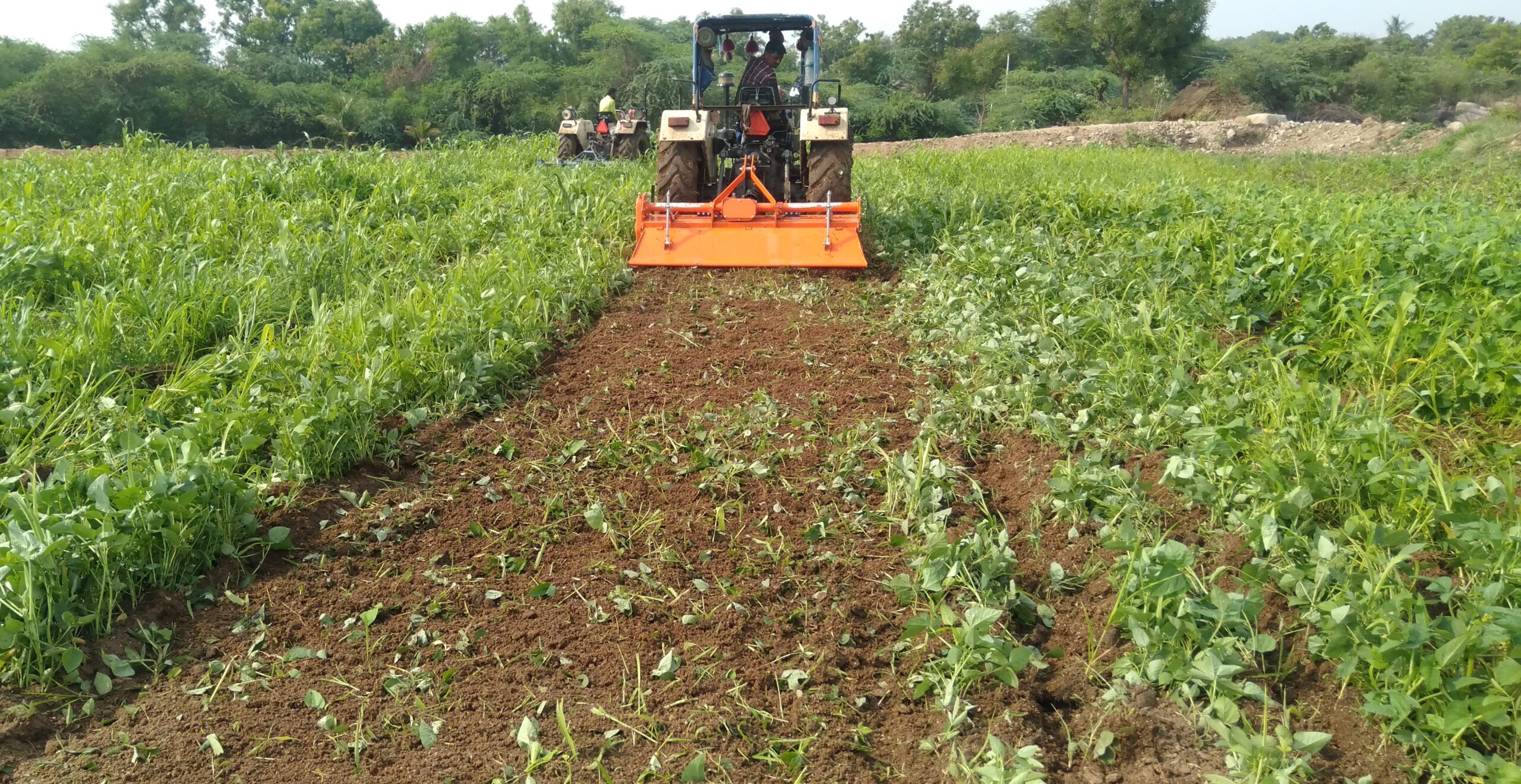
Explainer: How Green Manure Can Help Degraded Farmlands Sustain Themselves
The traditional agricultural practice of green leaves manure involves creating manure and fertiliser from natural, homegrown plants as sources of various nutrients for soil