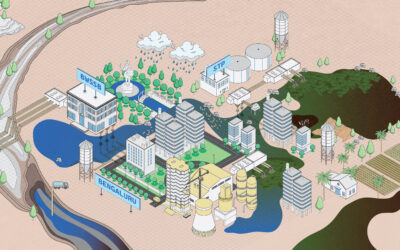
The Urban Water Programme was designed to tackle the issues of water security and resilience in urban areas. As WELL Labs turns 3, we look back at the journey and impact this programme has had on Bengaluru’s water story.

Urban Water
Rural Futures
Technical Consulting
Platforms and Partnerships
Futures Research
The Urban Water Programme was designed to tackle the issues of water security and resilience in urban areas. As WELL Labs turns 3, we look back at the journey and impact this programme has had on Bengaluru’s water story.

Published in Citizen Matters
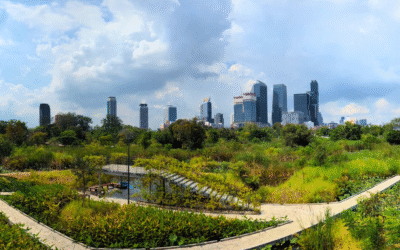
Nature-based solutions offer ecological, social, and economic benefits, but focusing on one while neglecting the others can lead to inefficient, unjust, or even harmful outcomes
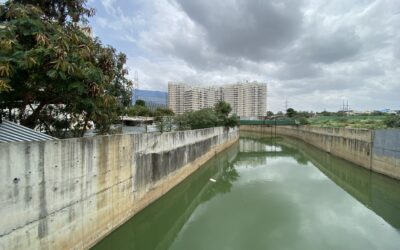
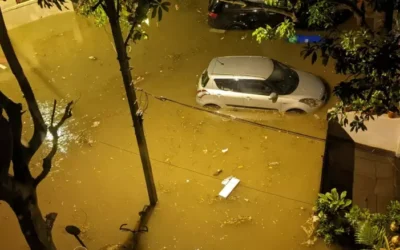
With conventional engineering solutions failing to control flooding in Bengaluru, we assess the potential of nature-based solutions through a modelling exercise
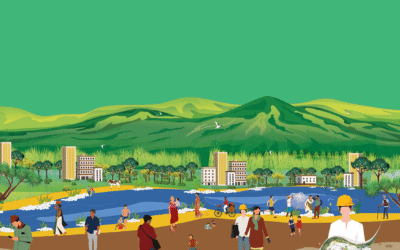
The Urban Water team shares insights from their initiatives for water circularity and resilience
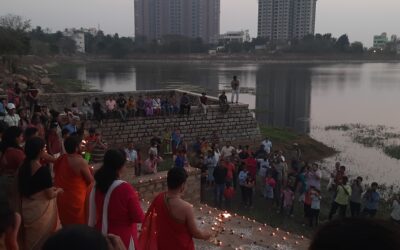
Friends of Lakes and India Cares Foundation are organising Kere Connect Habbas, or lake festivals, around the lakes of Bengaluru, to foster connection and engagement between a lake and its community
Published in Deccan Herald
The Green Star Challenge promotes water sustainability in Bengaluru by acknowledging and promoting communities’ and institutions’ conservation efforts

In part 3 of this blog series, we look at how nature-based solutions (NbS) can help urban India mitigate and adapt to heat and water stress. We also delve into the work we are doing on NbS.

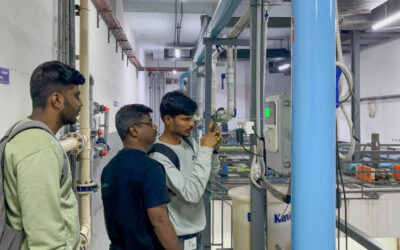
WELL Labs and Eawag surveyed decentralised sewage treatment plants in the Yelahanka zone of northern Bengaluru to understand the challenges in urban wastewater treatment and reuse.
Chennai’s Nesapakkam plant is an important project we need to evaluate and consider replicating in other cities because it converts wastewater to potable quality

Published in The Water Digest
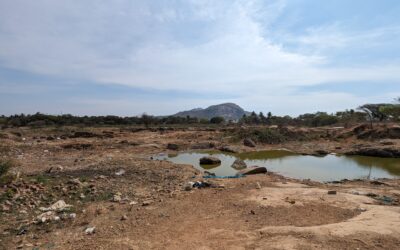
India’s small towns face many complex and intersecting risks. To better understand current challenges and explore opportunities, WELL Labs partnered with BORDA and TIDE to conduct a webinar on building thriving and more water-secure towns.
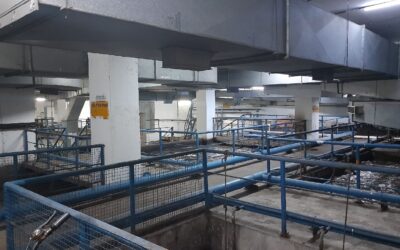
The economic case for on-site treatment of wastewater is weak. However, the recent water crisis coupled with the new policy has changed that. In this first part of a blog series, we explain what these changes mean for urban water security.
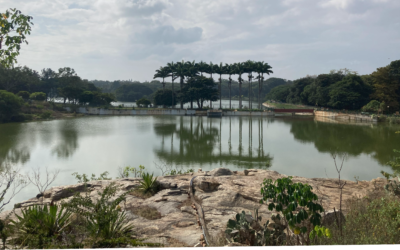
Published in Citizen Matters
Published in The Hindu
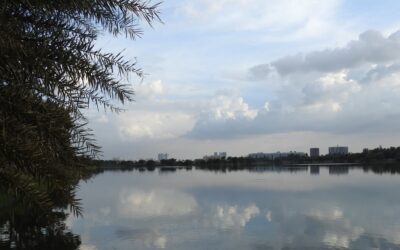
It is important to understand where Bengaluru gets water from and how it is used to tackle the recurring problems of floods and water shortages.
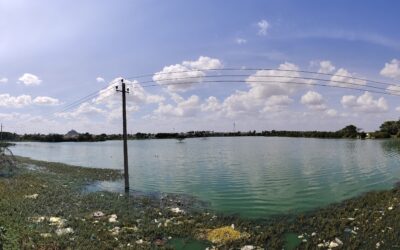
We reviewed wastewater reuse policies and action plans across Indian states to determine reuse options, targets, and water quality standards.

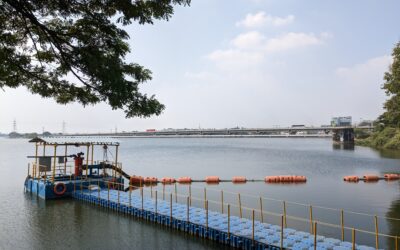
WELL Labs has partnered with DCB Bank and Friends of Lakes to demonstrate a scientific approach to lake rejuvenation that takes into account the ecology and communities’ needs.
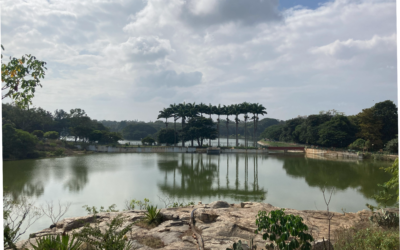
We uncovered gaps and opportunities in the wastewater treatment and reuse ecosystem and garnered interest from emerging water-intensive industries.