
Communications and Development
The communications and development team brings together stakeholders to help WELL Labs scale science-based solutions for society and the environment.

Our Work
Join Our Community
Publications
Team
Our Work
We amplify research insights and evidence-based best practices for social impact and innovation
Communicate effectively to bridge the gap between research and impact
Build communities of champions to scale science-based solutions
Disseminate evidence-based strategies and how they can be adapted to varying contexts and geographies
Showcase the achievements of our partners
Promote science communication in multiple languages for diverse audiences
Publications
How Satellite Tech Imaged the Global Groundwater Crisis with James (Jay) Famiglietti
Jay Famiglietti, a leading hydrologist and former NASA scientist joins host Veena Srinivasan to talk about the groundbreaking GRACE satellite mission and its role in transforming global hydrology.
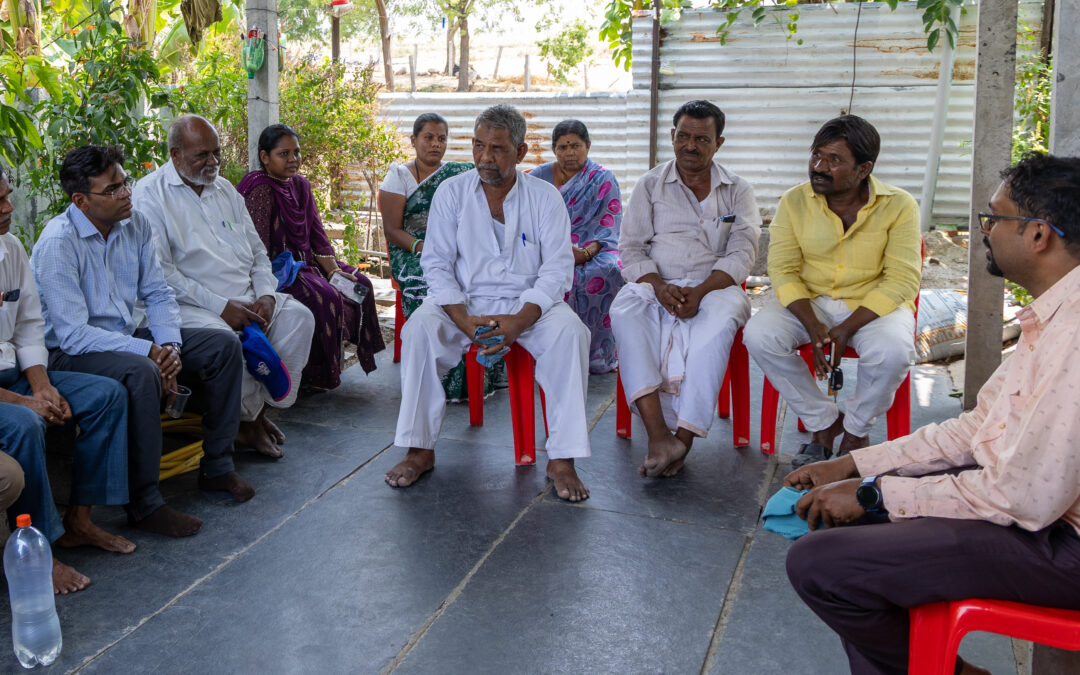
When Power on Paper Isn’t Power in Reality: Women’s Leadership in Panchayati Raj Institutions
Despite many women holding elected positions in Panchayats, the decision-making power largely rests with their male relatives. Our training sessions showed that reservation alone does not ensure empowerment; it also requires knowledge and solidarity.
Labour and Water Conservation with Karan Misquitta
Karan Misquitta unpacks the long and complex history of watershed development in India – from its origins in colonial famine relief programmes to its evolution into large-scale public policy and, more recently, technology-driven interventions.
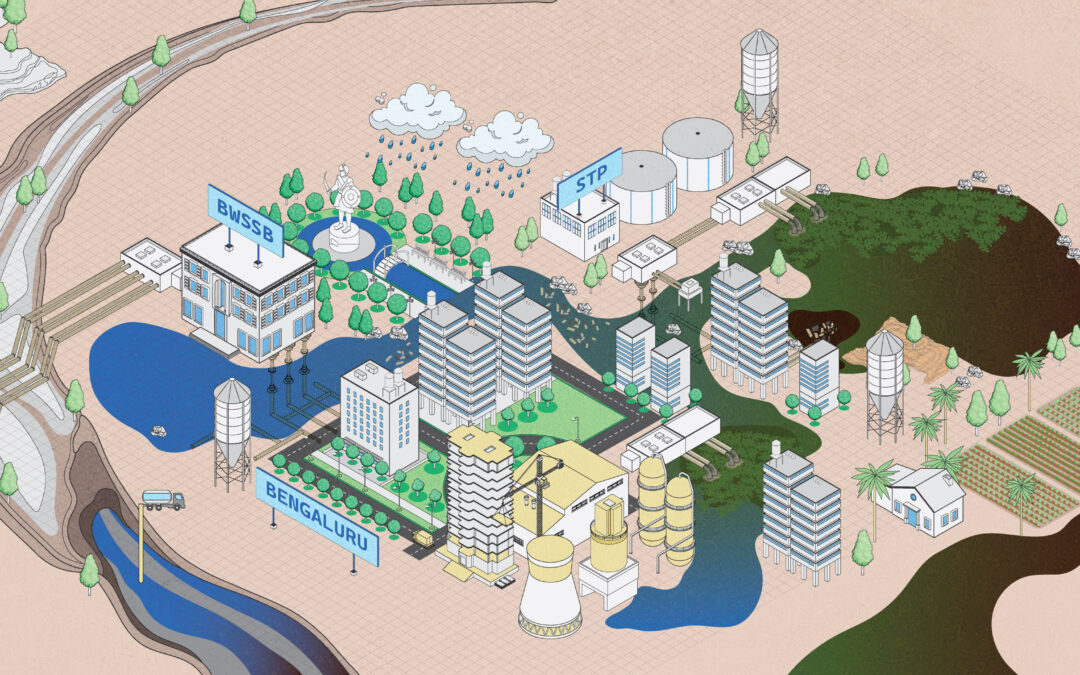
Three Years of Designing Water Resilience
The Urban Water Programme was designed to tackle the issues of water security and resilience in urban areas. As WELL Labs turns 3, we look back at the journey and impact this programme has had on Bengaluru’s water story.
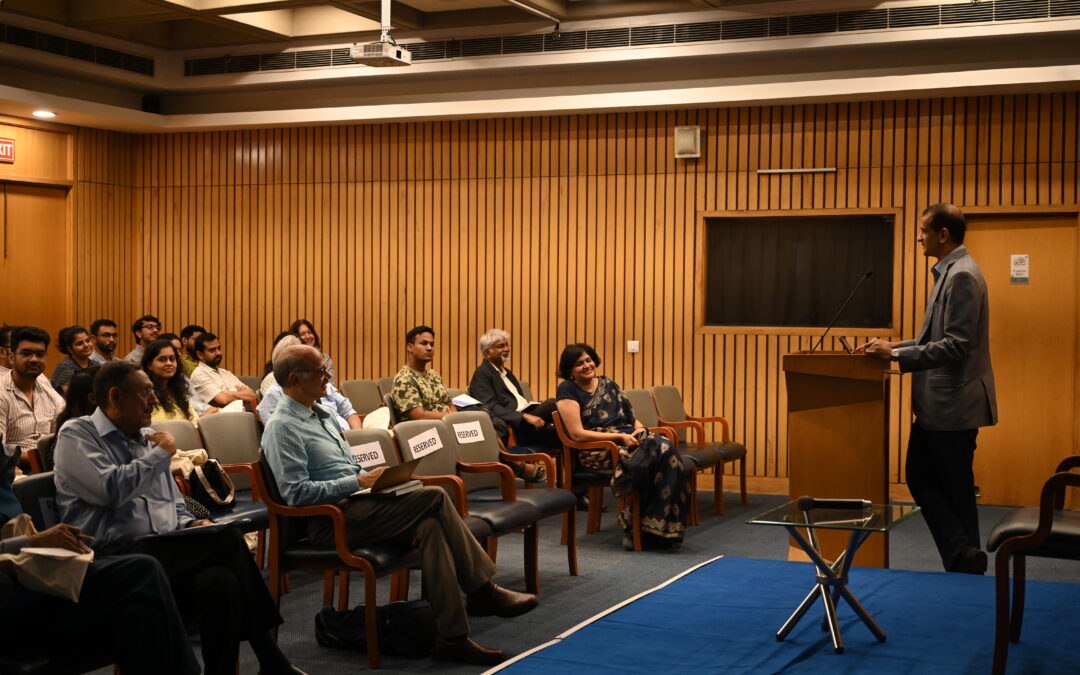
Matching External Commitments to Internal Accountability
In part two of this seven-part series on learnings from three years of running WELL Labs, Veena Srinivasan shares how the organisation stays accountable.
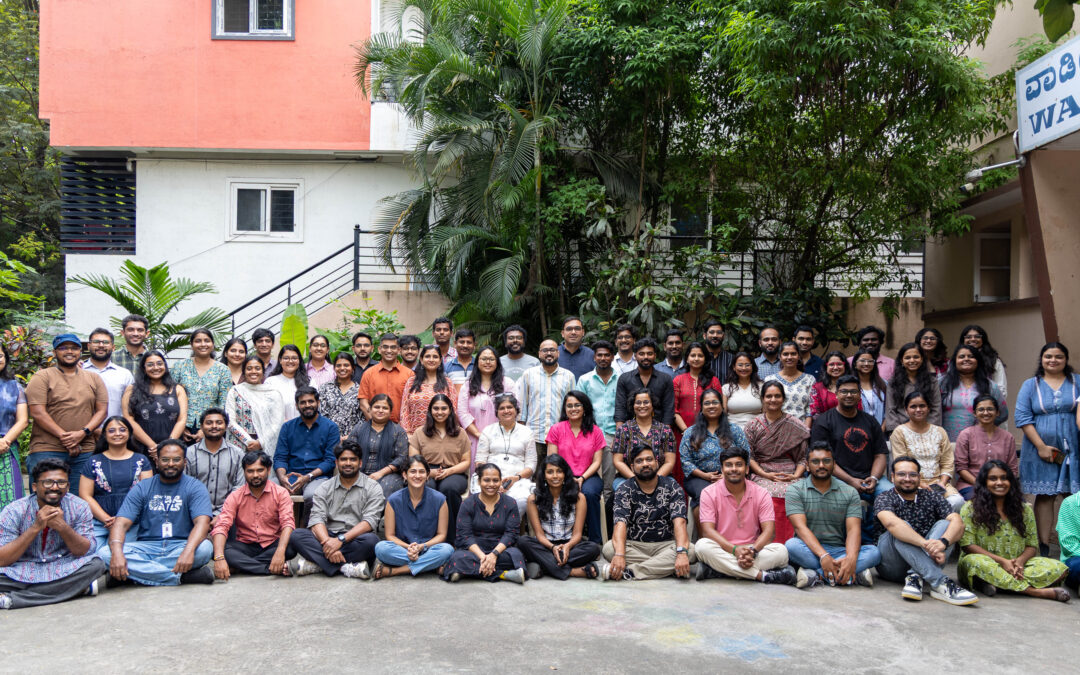
Staying Mission-Oriented in a Project-Funded World
WELL Labs is three years old. Veena Srinivasan, our Executive Director, writes about the journey, and what we have learnt from it in a series of blogs. This is part one of seven.
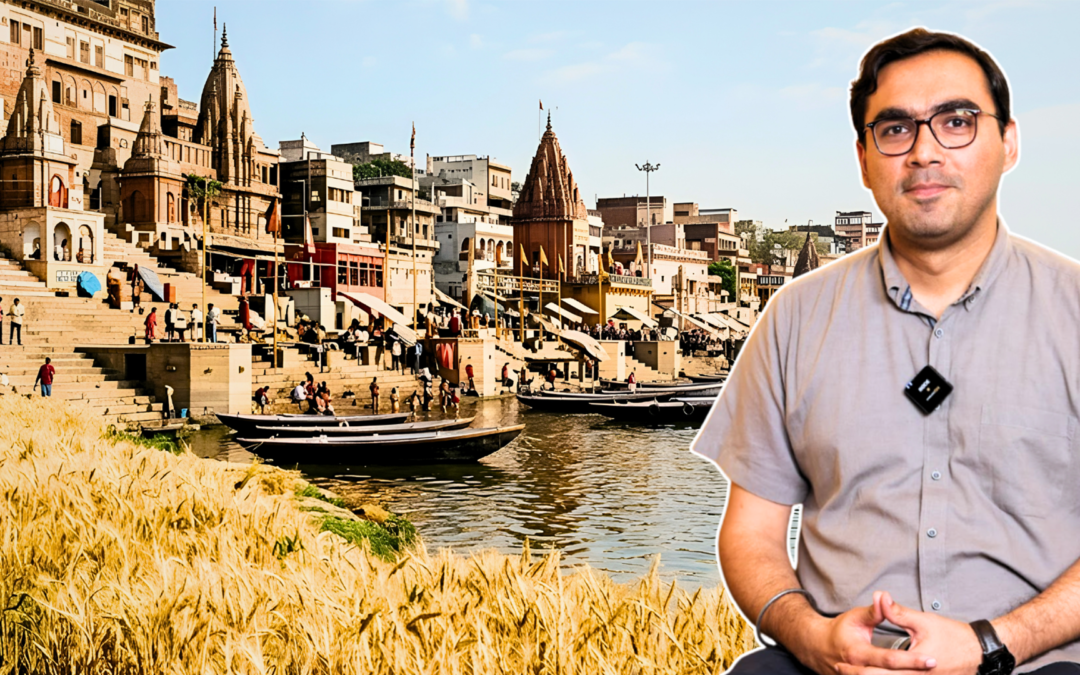
Aquifers of North India and the Indo-Gangetic Plains with Vivek Grewal
Hydrogeologist Vivek Grewal unpacks the basic science of groundwater and how groundwater behaves in the Indo-Gangetic region.
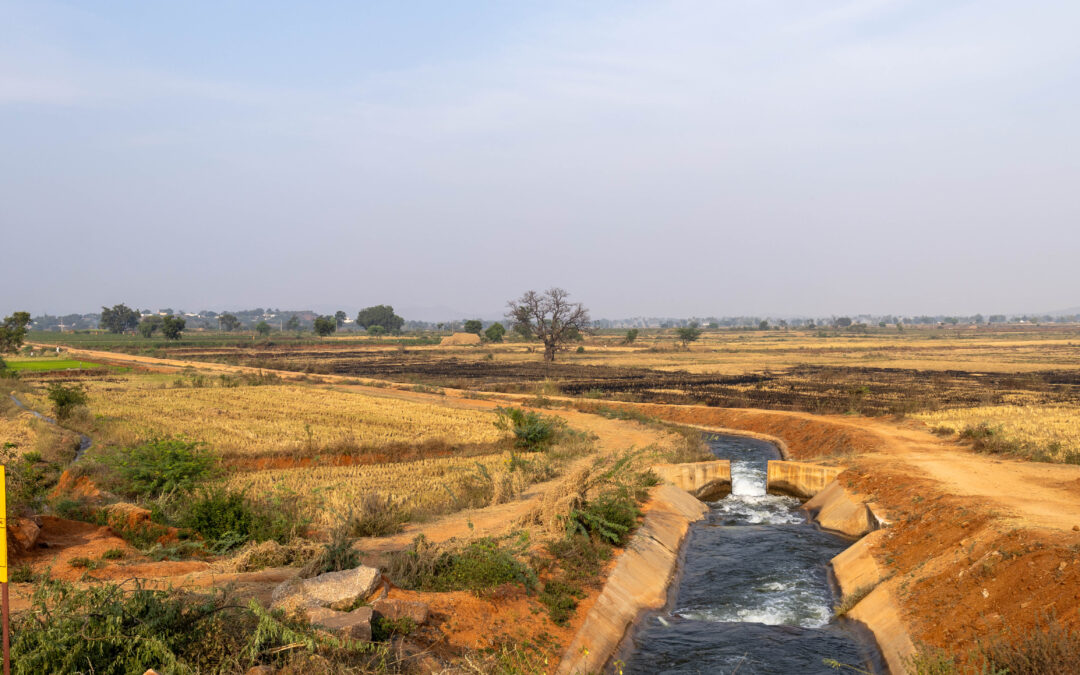
Designing Climate Resilient Futures in Raichur
Raichur’s resilience to climate change is not built on a single path, but through the conscious navigation of multiple, co-existing hydro-social pathways. This makes the landscape of possibilities visible so that communities, researchers, and policymakers can together decide which futures to pursue.
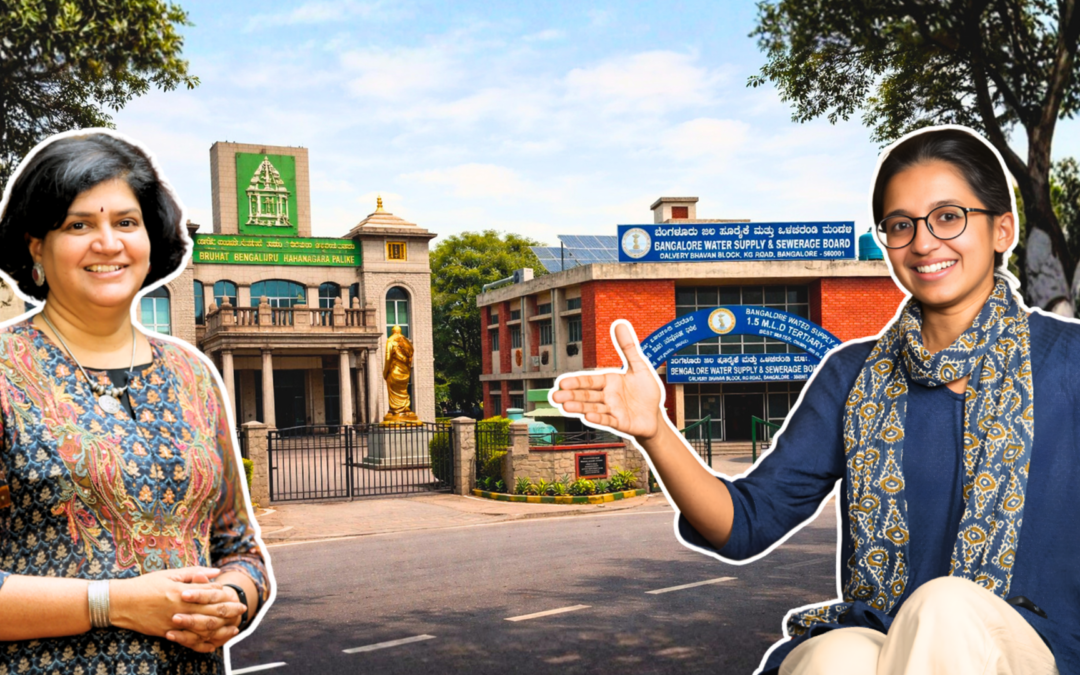
Preparing for Bengaluru’s Next Water Crisis with Gayathri Muraleedharan and Veena Srinivasan
Veena Srinivasan and Gayathri Muraleedharan join host Pavan Srinath to unpack the nature of Bangalore’s water crisis — what caused the severe summer crisis of 2024, why similar crises may recur, and what the city can do to avoid lurching from one groundwater emergency to the next.
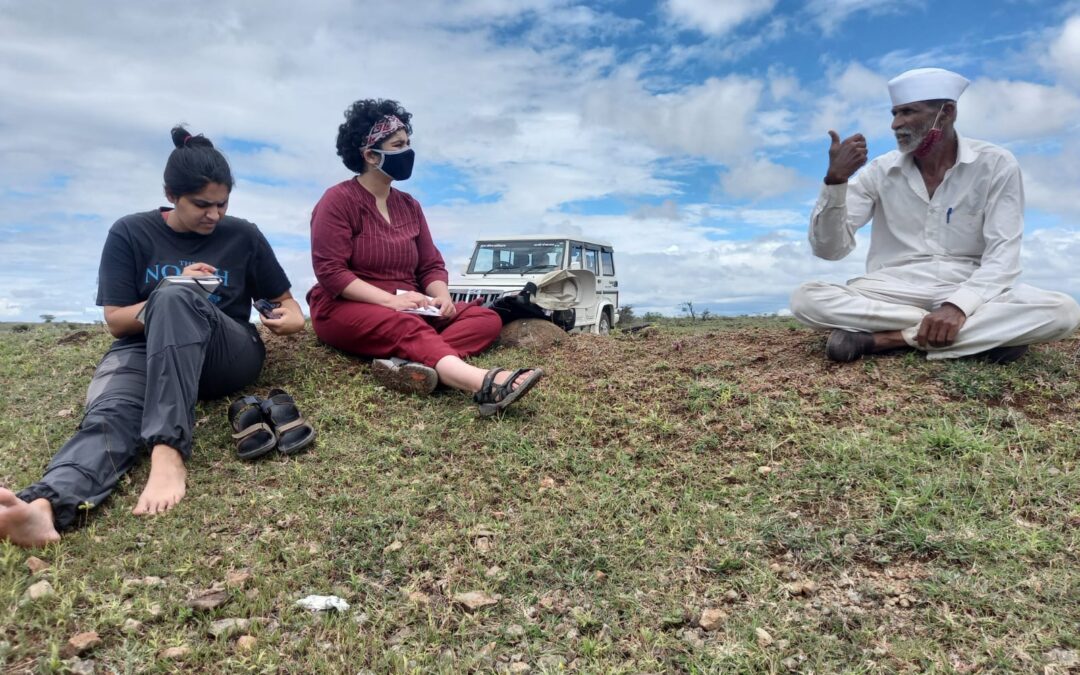
India Research Corps: Research that Delivers Change
India Research Corps aims to close the evidence gap in the water sector by curating critical research questions that have a clear pathway to impact, and matching them to early-career research scholars, who then produce action-oriented knowledge.
How Satellite Tech Imaged the Global Groundwater Crisis with James (Jay) Famiglietti
Jay Famiglietti, a leading hydrologist and former NASA scientist joins host Veena Srinivasan to talk about the groundbreaking GRACE satellite mission and its role in transforming global hydrology.
When Power on Paper Isn’t Power in Reality: Women’s Leadership in Panchayati Raj Institutions
Despite many women holding elected positions in Panchayats, the decision-making power largely rests with their male relatives. Our training sessions showed that reservation alone does not ensure empowerment; it also requires knowledge and solidarity.
Labour and Water Conservation with Karan Misquitta
Karan Misquitta unpacks the long and complex history of watershed development in India – from its origins in colonial famine relief programmes to its evolution into large-scale public policy and, more recently, technology-driven interventions.
Three Years of Designing Water Resilience
The Urban Water Programme was designed to tackle the issues of water security and resilience in urban areas. As WELL Labs turns 3, we look back at the journey and impact this programme has had on Bengaluru’s water story.
Matching External Commitments to Internal Accountability
In part two of this seven-part series on learnings from three years of running WELL Labs, Veena Srinivasan shares how the organisation stays accountable.
Staying Mission-Oriented in a Project-Funded World
WELL Labs is three years old. Veena Srinivasan, our Executive Director, writes about the journey, and what we have learnt from it in a series of blogs. This is part one of seven.
Aquifers of North India and the Indo-Gangetic Plains with Vivek Grewal
Hydrogeologist Vivek Grewal unpacks the basic science of groundwater and how groundwater behaves in the Indo-Gangetic region.
Designing Climate Resilient Futures in Raichur
Raichur’s resilience to climate change is not built on a single path, but through the conscious navigation of multiple, co-existing hydro-social pathways. This makes the landscape of possibilities visible so that communities, researchers, and policymakers can together decide which futures to pursue.
Preparing for Bengaluru’s Next Water Crisis with Gayathri Muraleedharan and Veena Srinivasan
Veena Srinivasan and Gayathri Muraleedharan join host Pavan Srinath to unpack the nature of Bangalore’s water crisis — what caused the severe summer crisis of 2024, why similar crises may recur, and what the city can do to avoid lurching from one groundwater emergency to the next.
India Research Corps: Research that Delivers Change
India Research Corps aims to close the evidence gap in the water sector by curating critical research questions that have a clear pathway to impact, and matching them to early-career research scholars, who then produce action-oriented knowledge.