
Technical Consulting
The Technical Consulting programme enables better decision-making in the natural resources management sector through the use of data, models, and evidence-based approaches.
We seek to improve climate resilience and water security by redirecting spending in the water sector for more efficient outcomes.
India is one of the most water-stressed countries in the world. While governments, businesses, and nonprofits are making significant investments in water-management interventions, these often lack scientific rigour. Thus, integrating technical expertise with communities’ lived experiences and priorities is key to improving outcomes in the water sector.
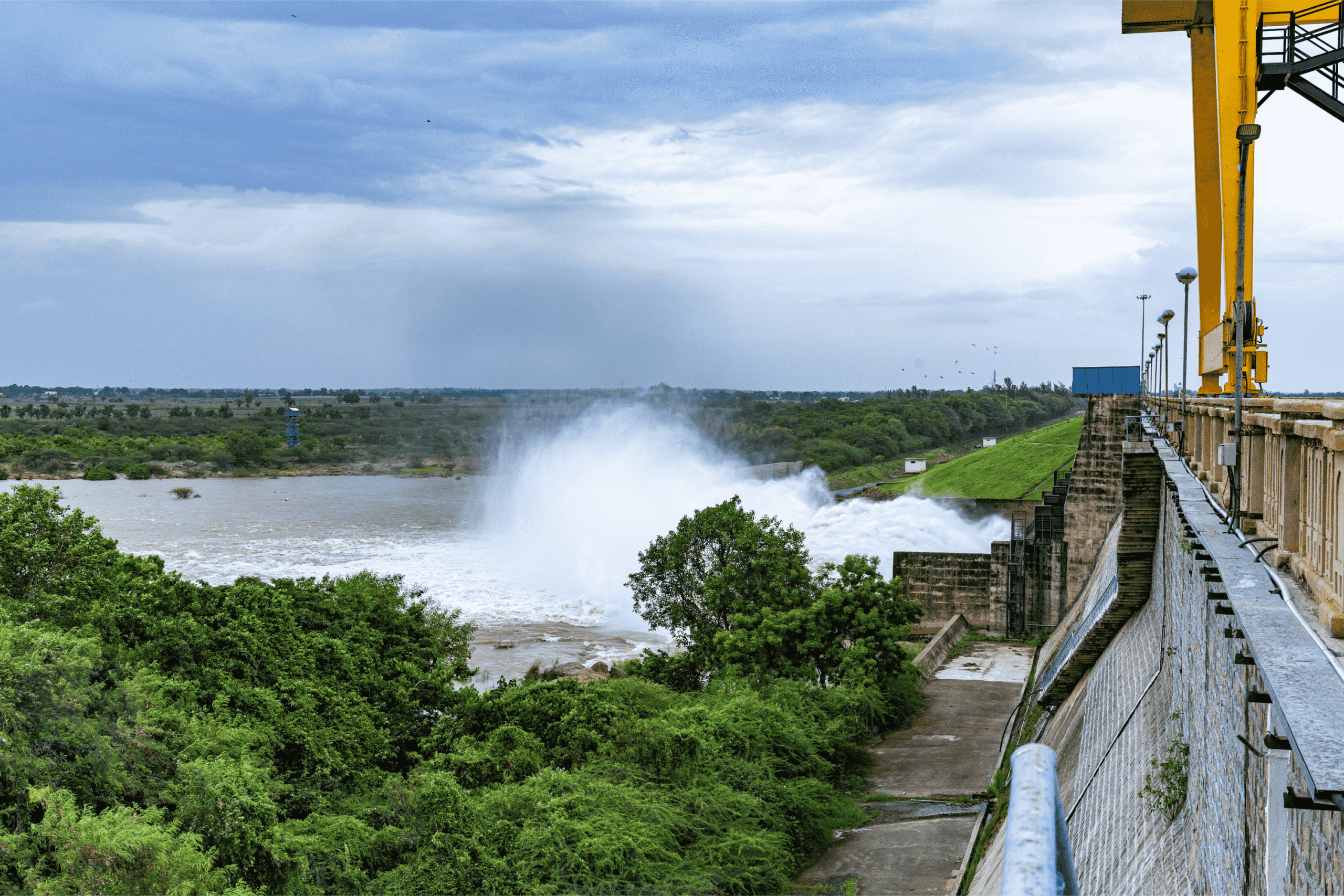
Photo by Vraj Acharya
Our Approach
Promote evidence-based interventions in the water sector by streamlining problem diagnosis, programme design, and impact assessment
Make digital public datasets and tools accessible, and embed them in communities to build grassroots decision-making capabilities
Provide technical support to governments and organisations for the effective design and implementation of water-management projects
Our Work
Systematising Interventions in the Water Sector for More Effective Outcomes
Partners: Environmental Defense Fund, Tata Consumer Products Limited (TCPL), Aga Khan Foundation, Aga Khan Rural Support Programme (India), MS Swaminathan Research Foundation, WASSAN
We are working with our partners to:
- Effectively diagnose water security challenges and recommend appropriate solutions.
- Systematise a proposed intervention into a theory of change, which lays out the hypothesised causal links between activities, outputs, and outcomes.
- Collect and analyse data to test the hypotheses.
- Design a continuous monitoring plan that systematically measures hydrological data to gauge impact at both the local and watershed scales. Our MEL toolbox will feed into this.
- Collate insights from interventions and use them to refine programme designs in the future.
We shall also use these insights to improve tools and datasets, and provide better, faster, and cheaper knowledge products for the water sector.
Building a Water Index for Sustainability, Equity, and Resilience Framework to Assess Water Security Accurately
Partner: Hindustan Unilever Foundation
The Water Index for Sustainability, Equity, and Resilience (WISER) bridges gaps in water security monitoring by establishing a structured framework for tracking meaningful, outcome-based indicators at the watershed level.
In Phase 1 of WISER, we:
- Conducted stakeholder consultations and a literature review to codify currently used water security indicators into a scientific and scalable framework.
- Undertook a pilot study to validate these indicators in diverse hydrogeological contexts to ensure their applicability and adaptability across different water-stressed regions in India.
- Held a roundtable in Bengaluru in March 2025 with 30 stakeholders from academia, donor organisations, and grassroots groups to foster knowledge exchange and collaboration.
In WISER Phase 2, we shall deploy our water security framework in Raichur district, Karnataka.
Prototyping Digital Public Tools and Datasets for Water-Management Interventions
Partners: Environmental Defense Fund Indian Institute of Technology Delhi, CommonsTech Foundation for Participatory Technologies (CFPT), Asian Venture Philanthropy Network
Commoning for Resilience and Equity (CoRE Stack) is a set of digital public tools and datasets to accelerate sustainable rural development and promote ecological resilience and social equity. It includes the following:
1. Know Your Landscape
Know Your Landscape is a secondary data analysis platform for the socio-hydrological diagnosis of water challenges. The CFPT team is beta-testing the tool. We are expanding its capabilities so that it goes beyond raw data exploration to generate actionable insights.
2. Commons Connect (CC)
Commons Connect is a participatory-planning app linked to Know Your Landscape data layers and capable of generating Detailed Project Reports (a comprehensive document outlining technical, financial, and design aspects of a proposed project, which serves as a blueprint for the project’s implementation).
Over the past year, CFPT user-tested Commons Connect with WELL Labs and grassroots organisations. This exercise highlighted the need to simplify the Commons Connect user interface and workflow for a better user experience. We are now user-testing the revamped prototype.
Through the above two digital public goods, we seek to ensure that water-management interventions are rooted in a scientifically robust theory of change.
Documenting Lessons from the Atal Bhujal Yojana to Inform Future Groundwater Governance Programmes
Partners: National Project Management Unit, Atal Bhujal Yojana; Arghyam; Tata Trusts; Water for People
We shall conduct a study to document and analyse learnings from the first phase of the Atal Bhujal Yojana, a World Bank-funded participatory groundwater management programme.
Through journey mapping, institutional analysis, and field-based observations, the study will
- Compare the programme across four states.
- Trace how its inputs and activities translated into outputs and outcomes.
- Uncover best practices and barriers with respect to community participation, groundwater budgeting, and fostering synergies between various government institutions, among other topics.
The study will culminate in the creation of a handbook of best practices to support future groundwater governance programmes.
Bridging Data Gaps and Promoting Data Sharing to Improve Evidence-Based Water Management
Partners: National Water Informatics Centre (NWIC), Ministry of Jal Shakti; Arghyam
While government agencies, research groups, and NGOs have a significant amount of data, it is not always available in the public domain. Improved access to water data can help better manage water resources, change individuals’ behaviours, and spur innovations.
In this endeavour, we shall enhance NWIC’s water data portal by
- Sourcing water datasets and expanding NWIC’s data repository.
- Fostering data interoperability.
- Improving the website’s user experience.
- Increasing user engagement and promoting its use in the water sector.
- Making evapotranspiration data more accurate, granular, and accessible. To this end, we shall pilot a high-resolution evapotranspiration monitoring system on the lines of the OpenET platform in the US. It will use satellite data and ground-truthing to estimate farm-scale water consumption across different cropping seasons and climatic conditions.
Developed a Framework to Improve Monitoring, Evaluation, and Learning for Water-Management Interventions (Completed)
Partner: Environmental Defense Fund
The MEL Toolbox is a compendium of tools and methods to democratise impact assessment for watershed-management programmes. We have compiled the following tools to guide and simplify the process of sampling, instrumentation, data collection, and analysis.
- Introduction to the MEL Toolbox | View Toolbox
- Staff Gauge: A Guide to Measuring Aquifer Recharge through the Water Balance Method | View Toolbox
- Paired Watershed Studies: Evaluating the Impact of Watershed Management Interventions | View Toolbox
- Jaltol: A Quasi-Experimental Approach to Evaluating Watershed Interventions | View Toolbox
- How to Make a Water-Level Sensor at Home: An Easy Tool for Measuring Open Wells and Borewells | View Toolbox
Evaluated Groundwater Management Interventions in the States of Andhra Pradesh, Karnataka, Maharashtra, and Telangana (Completed)
1. Evaluation of Recharge Pits in Maharashtra
Partners: Environmental Defense Fund, Save Groundwater Foundation
The project evaluated groundwater-recharge pits in the drought-prone district of Jalna in Maharashtra. The intervention sought to overcome waterlogging during the monsoon and water scarcity in summer in the district of Jalna in Maharashtra.
Read the impact assessment report here.
2. Evaluation of Groundwater Collectivisation in Telangana and Andhra Pradesh
Partners: Environmental Defense Fund, WASSAN
We evaluated the impact of WASSAN’s groundwater-collectivisation programme. It promotes sustainable groundwater management and water-sharing between farmers through a common pipeline network managed by water-user associations. This helps farmers without borewells access protective irrigation, that is, get enough water to secure their crop, during the kharif season (roughly June to October). The biggest benefit for farmers with borewells was being able to irrigate their fragmented landholdings far from their wells.
Read the evaluation report here.
3. Evaluation of the Planning of Water-Conservation Structures in Karnataka
Partners: Environmental Defense Fund, Arghyam, Foundation for Ecological Security
We evaluated Arghyam’s technical support programme to improve the planning of water-conservation structures built under the Mahatma Gandhi National Rural Employment Guarantee Act (MGNREGA) in northern Karnataka. The planning used the Composite Land and Restoration Assessment Tool (CLART), which recommends appropriate soil and water conservation measures for a particular location.
Read the MEL report here.
Developed a Source Sustainability Strategy for Jal Jeevan Mission Assam (Completed)
Partners: Public Health Engineering Department, Assam (under Jal Jeevan Mission)
We created a roadmap to enhance the resilience and sustainability of water supply systems under the Jal Jeevan Mission in Assam. It explores risks, mitigation approaches, and a cost-effective way to capture hydrological data for a better understanding of groundwater issues.
We have identified three categories of risks associated with groundwater-based water supply projects in Assam:
- Inadequate water in groundwater sources.
- Drying of sources due to over-extraction, unplanned urbanisation, climate change, changes in land use,
etc. - Geogenic and anthropogenic water pollution.
Our roadmap provides risk-specific solutions along with short-term and long-term strategies.
Synthesised the State of the Science on Hydroclimatic Modelling to Determine Research Priorities (Completed)
Partner: Rural Evidence and Learning for Water (REAL-Water)
WELL Labs was part of Rural Evidence and Learning for Water (REAL-Water), a consortium of partners led by Aquaya and funded by the United States Agency for International Development (USAID). It developed and evaluated strategies for expanding access to safe, equitable, and sustainable rural water services.
Under this larger mission, we developed a comprehensive knowledge base to identify points of consensus and contention related to hydroclimatic modelling in India. We conducted 16 in-depth interviews with scientists and government officials to gather expert opinions on the state of hydroclimatic modelling in India and identify priority areas for further research. We documented key insights from these interviews in a report and submitted it to the Ministry of Jal Shakti.
We also organised a roundtable on 19 July 2025 in New Delhi, where scientists, practitioners, and government officials charted the way forward on how to improve decision-making based on hydroclimatic models.
Identified Challenges and Livelihood Opportunities in the Rural Water and Sanitation Sector in India (Completed)
Partner: The/Nudge Institute
We conducted a study on the emerging challenges and livelihood opportunities in rural water, sanitation, and hygiene (WASH) in India for The/Nudge Institute. It incorporated insights shared by WASH experts from across India, who took part in the two listening circles we organised on the subject.
The study was a part of the research to inform the design of the second edition of the Ashirvad Water Challenge.
Research
No Results Found
The page you requested could not be found. Try refining your search, or use the navigation above to locate the post.
Blogs & Op-eds
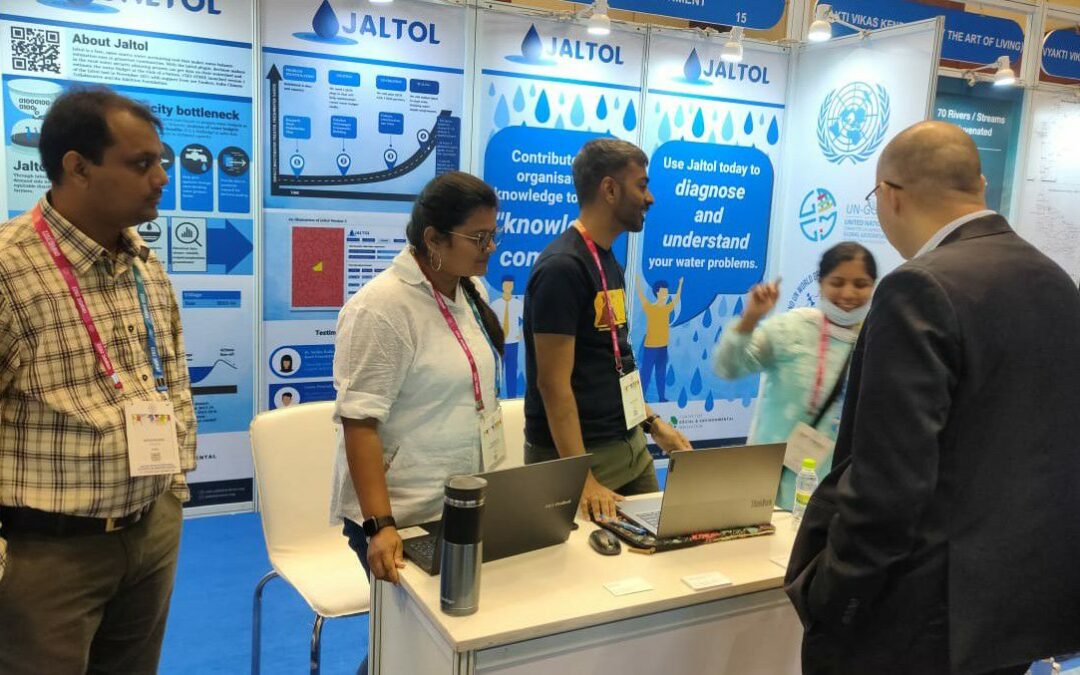
Community Building for Jaltol: Our Learnings at the UN Geospatial Congress
One stand out in our 2022 calendar was the United Nations World Geospatial Information Congress held in Hyderabad in October.
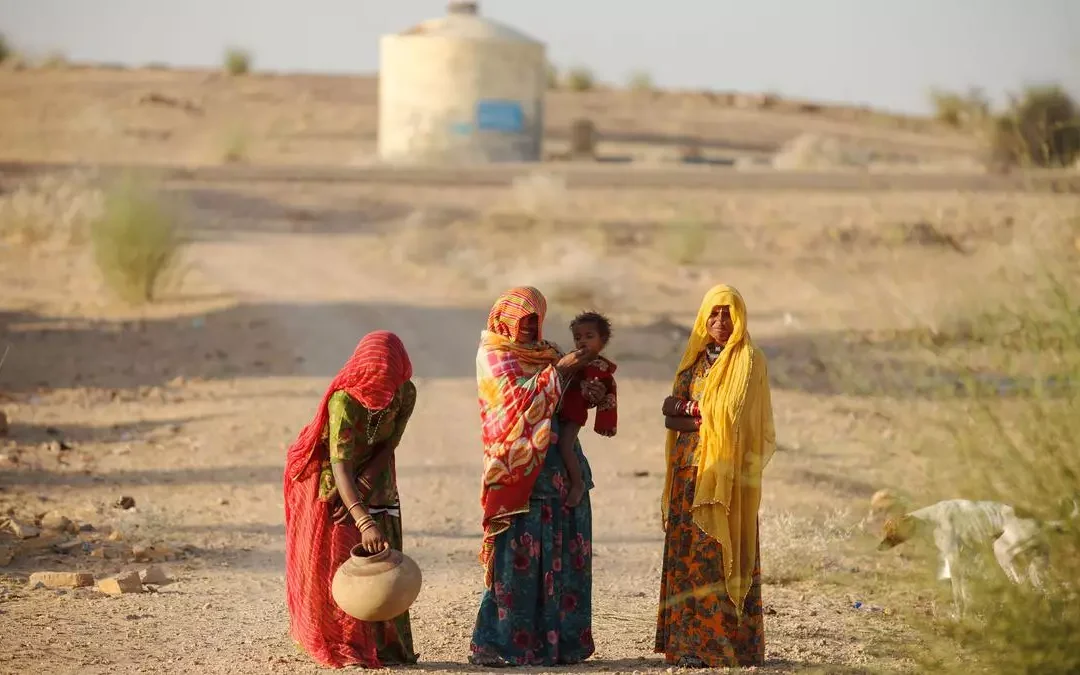
‘Water Credits’ Can Fund Climate Needs
Published in The Hindu BusinessLine
In the Media
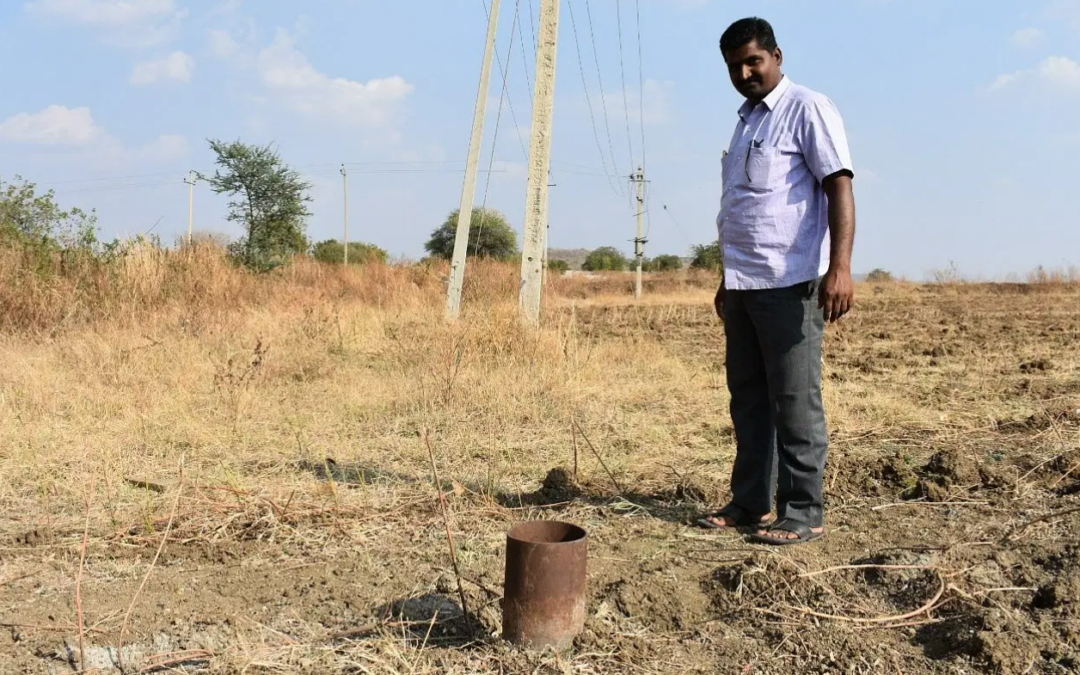
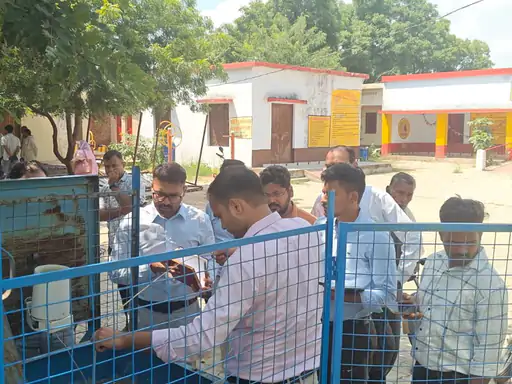
अटल भूजल योजना का जायजा: झांसी के ढिकोली में जल संरचनाओं का निरीक्षण, ग्रामीणों से की चर्चा
Published in Dainik Bhaskar
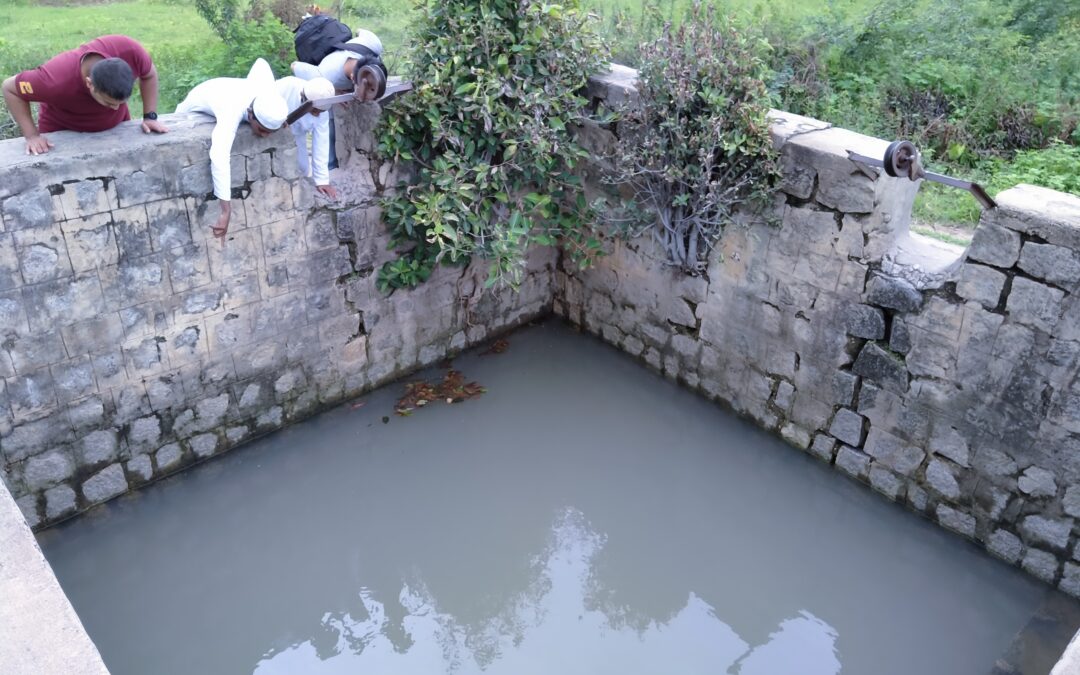
Scientists Raise Alarm as Rural Water Supply Goes from Depths to Debt
Published in Mongabay India