
Cascading urban lakes: how spatial, temporal, and anthropogenic characteristics control lake behavior
Study area map showing the Hebbal-Nagvara Valley lake network in Bengaluru, highlighting the interconnected cascading lakes analysed in this study.
Published in Frontiers in Water, March 19, 2026.
In rapidly urbanizing regions, interconnected lake systems play a critical role. They regulate runoff, store water, and maintain urban hydrological balance. However, their functioning is shaped by anthropogenic interventions and natural characteristics. Lake functioning also exhibits spatial and temporal variability. These challenges are particularly acute in developing cities, especially in tropical regions. Yet, we do not understand how such interconnected human-water coupled systems operate and respond to natural and human influences at different scales. This study investigates how upstream–downstream interactions, temporal changes and human interventions shape lake behavior and function. For this, we used the case study of the cascading lake network of the Hebbal-Nagavara Valley in Bengaluru, India.
We developed a hydrological model to simulate runoff and sewage flows across 44 interconnected lakes. The flows were simulated under varying management scenarios. High-resolution observed data at 15-min intervals were used to calibrate the model. Results reveal that upstream lakes are more sensitive to seasonal and catchment-level characteristics. In contrast, downstream lakes are primarily influenced by accumulated upstream flows.
Sewage, treated or untreated, is the dominant source. This leads to perennial conditions and reduced variability as the flows accumulate downstream. Thus, both the location within the lake cascade and the own catchment characteristics influence the water quantity in a given lake. These in turn determine whether a lake can function effectively as a flood buffer, ecological site, or storage reservoir. The findings emphasize that lake functions are dynamic and dependent on both catchment characteristics and spatial location within the network. This underscores the need for differentiated, cascade-wide management strategies to enhance urban water security. Through this study, we have developed a diagnostic typology linking lake function to spatial position, inflow type, and temporal changes.
Fill these details to access the publication
Acknowledgements
Authored by Rashmi Kulranjan and Veena Srinivasan
The journal article can be cited as: Kulranjan R and Srinivasan V (2026) Cascading urban lakes: how spatial, temporal, and anthropogenic characteristics control lake behavior. Front. Water 8:1778071. doi: 10.3389/frwa.2026.1778071
Published by Nanditha Gogate
If you would like to collaborate with us outside this project, write to us. We would love to hear from you.
Follow us and stay updated about our work:
Related Posts
Related Posts
-
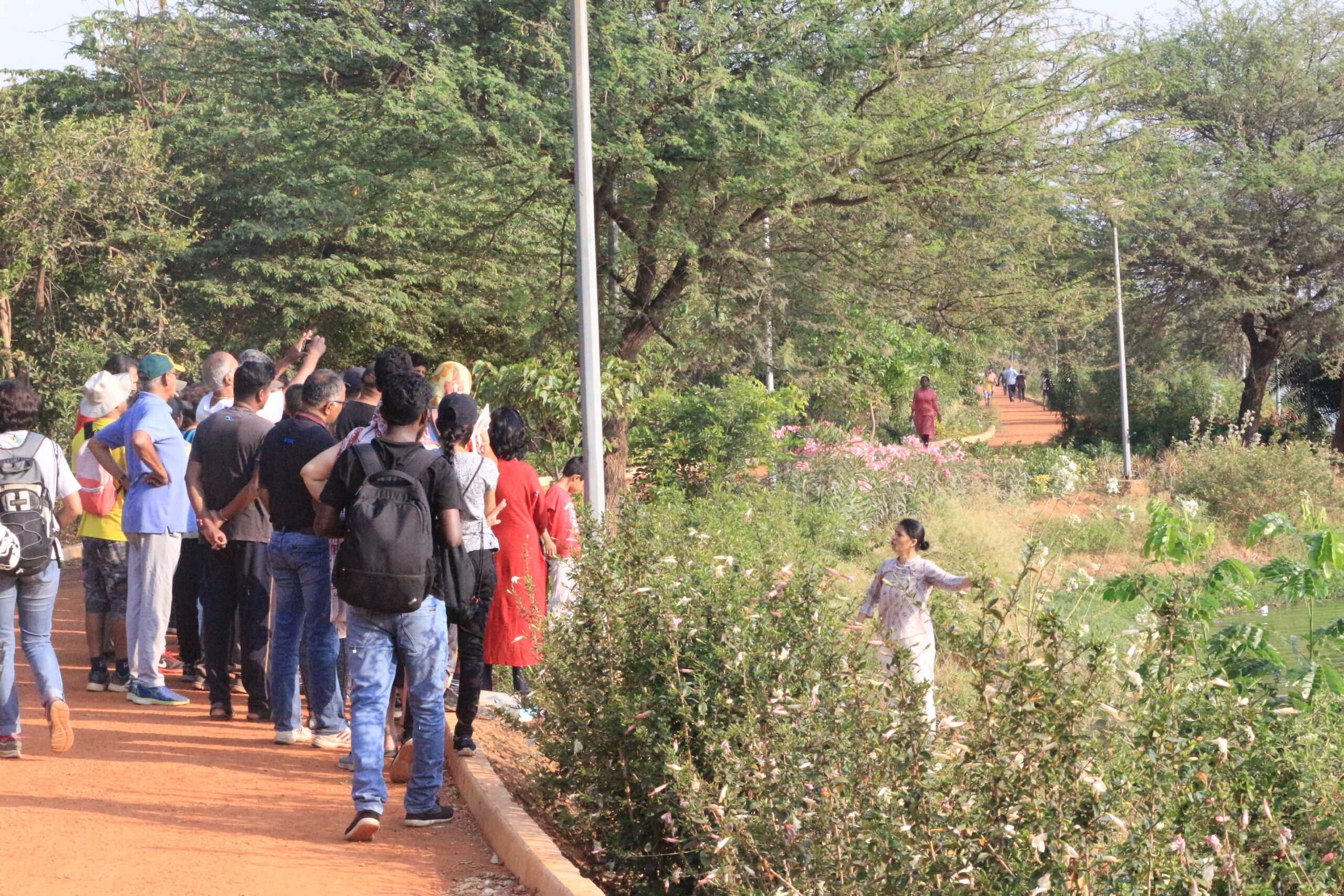
Bangalore’s Lakes: What Role do Citizens Play?
This publication is the third in a multi-part series on lakes that aims to provide a comprehensive overview of lake-related problems in Bangalore and approaches to address them. It describes the cr...
-
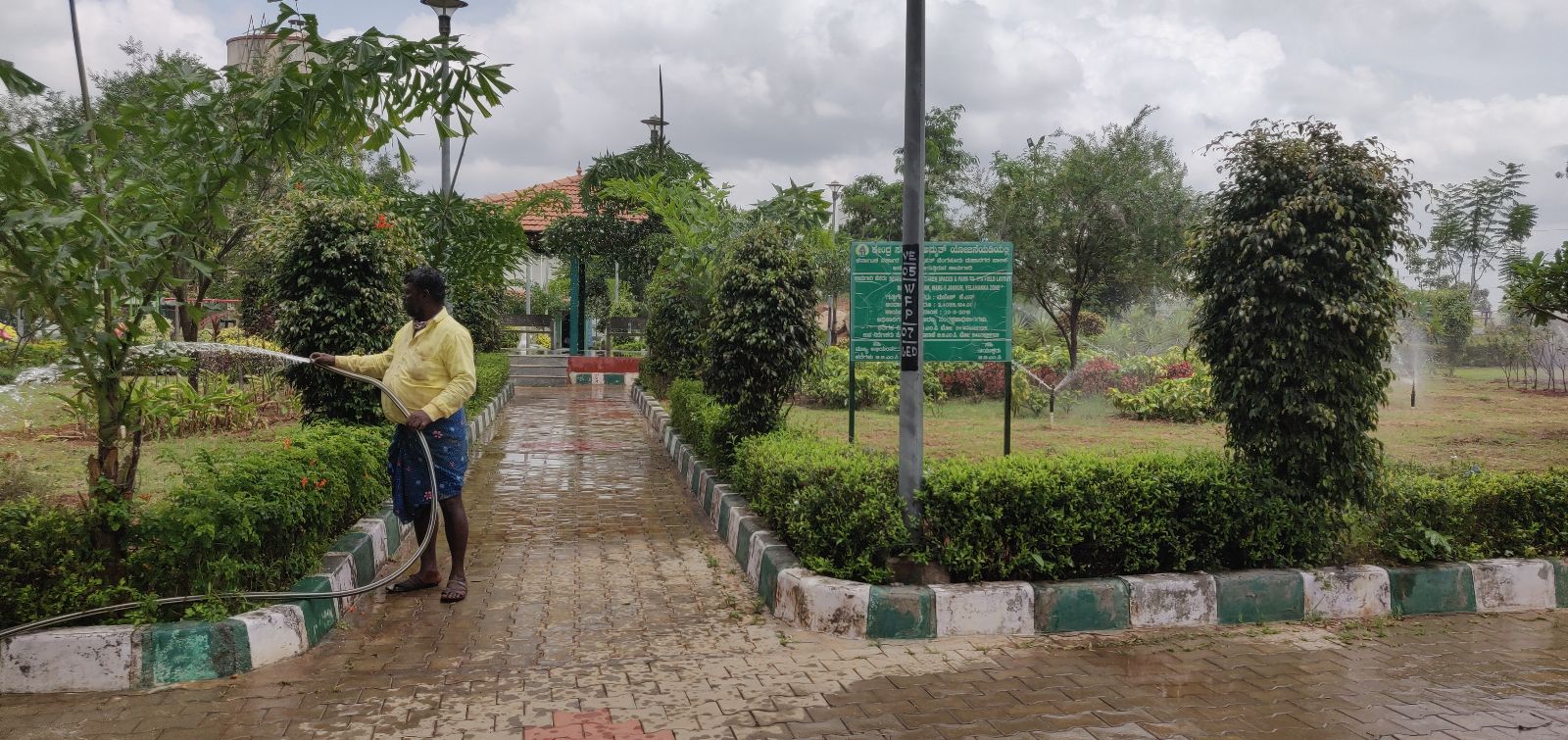
Lake Governance: The Pathway Forward
Indian cities are grappling with an ever-growing freshwater demand due to rapid urbanisation and exponential population growth. The treatment of the resultant wastewater has proved equally challeng...
-
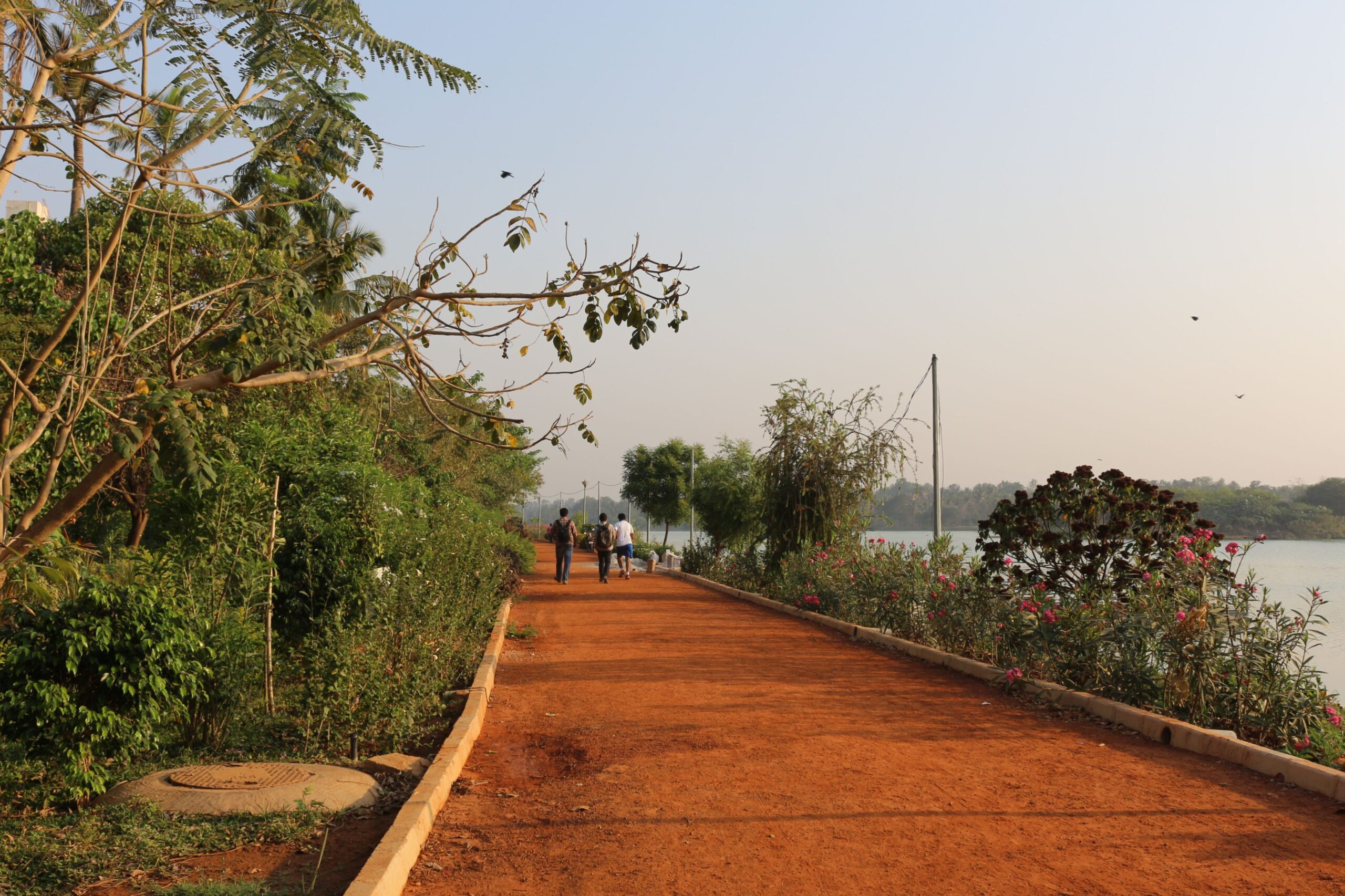
Pathways for Building Climate Resilient Cities
Many Indian cities are already vulnerable to climate change. The financial damage from extreme events, like floods, heat, and drought is likely to be staggering. The urban poor will bear much of th...
-
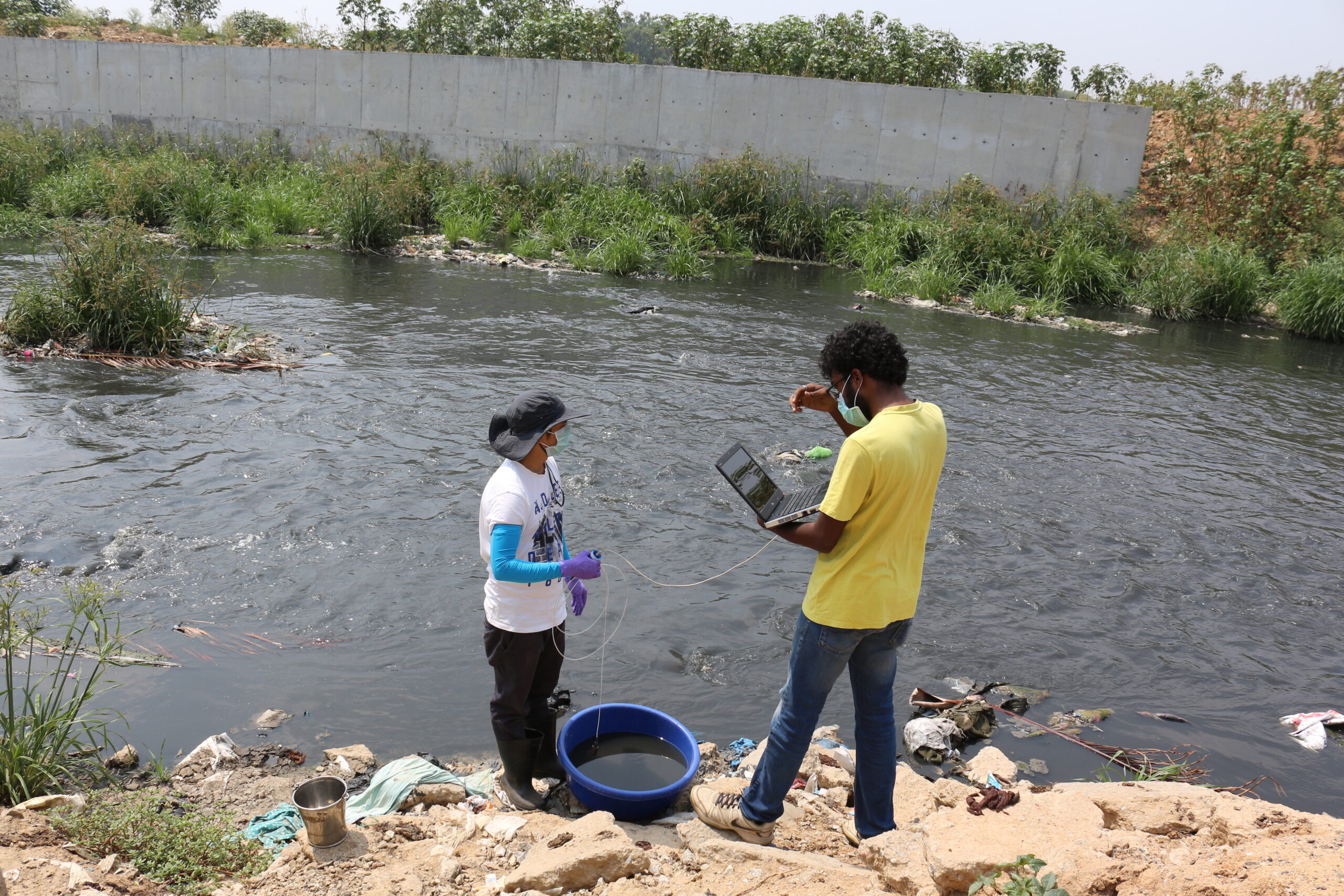
How Do We Manage Nutrient Levels in Urban Lakes?
This article is the sixth in a multi-part series on lakes that aims to provide a comprehensive overview of lake related problems in Bangalore and approaches to address them. This article discusses ...
-
Challenges and Opportunities in Residential Decentralised Wastewater Treatment and Reuse in Bengaluru
We explore the potential of decentralised sewage treatment plants, which are being promoted in cities like Bengaluru, to treat sewage at the source of generation
-
Phosphorus Balance Study at Jakkur Lake
We conducted a phosphorus balance study to understand the sources and sinks of phosphorus in Jakkur lake