
Green Manuring: A Sustainable Agricultural Practice to Improve Crop Productivity
Comparison of a green-manured cotton plot (left) and a control plot (right). The green manured plot looks a little denser and taller, while the control plot looks slightly shorter and more sparse | Photo credit: Lokappa Nayak
Across the districts of Raichur and Koppal in Karnataka, farmers are facing a critical problem of declining soil health. Years of continuous cultivation and dependence on chemical fertilisers have weakened soil systems.
Low organic carbon, alkalinity of soil, and nutrient deficiencies have led to poor soil health, subsequently impacting crop productivity of a range of crops, including cotton, cereals, pulses, and oilseeds.
These conditions are becoming observable in the Devadurga region of Raichur district. The soil here exhibits considerable degradation, including: slight to strong alkalinity (pH 7.15–8.68); low organic carbon (0.29% to 0.42%); deficiency in nitrogen (210.91 to 281.19 kg/ha) and zinc (0.19 to 0.46 mg/kg); reduced microbial life; and degraded soil structure. They restrict early crop establishment, limit vegetative growth, and result in reduced yield potential, which especially affects small and marginal farmers.
One solution to improve soil health is to add more organic manure, like farmyard manure. However, the livestock population in Karnataka is declining, with a substantial 26.47% drop having occurred between 2012 and 2019, and certain districts like Kalaburagi experiencing an alarming 53.16% fall in cattle population (Felix & Reddy, 2023). Furthermore, purchasing farmyard manure is considerably expensive, costing between Rs. 4,000 and Rs. 6,000 per tractor. Thus, its limited availability and prohibitive cost makes this solution inaccessible to a number of farmers.
However, there exists a simple, cost-effective solution to overcome these issues: green manuring.
Green manuring involves incorporating fast-growing leguminous crops into the soil before flowering. It naturally enriches fertility and improves soil quality.
Crops include Dhaincha, Sunn hemp and cowpea, which are sown not for harvesting but to strengthen the soil.
Types of green manuring
In-situ green manuring: involves growing and incorporating fast-growing leguminous crops in the same field as the main crop, either as pure stand or intercrop.
Green leaf manuring: refers to collecting green leaves and tender green twigs from shrubs and trees grown on bunds, wastelands, and nearby forest areas, and incorporating them in soil. Suitable crops include gliricidia, pongamia, and subabul.
Practice and advantages of green manuring
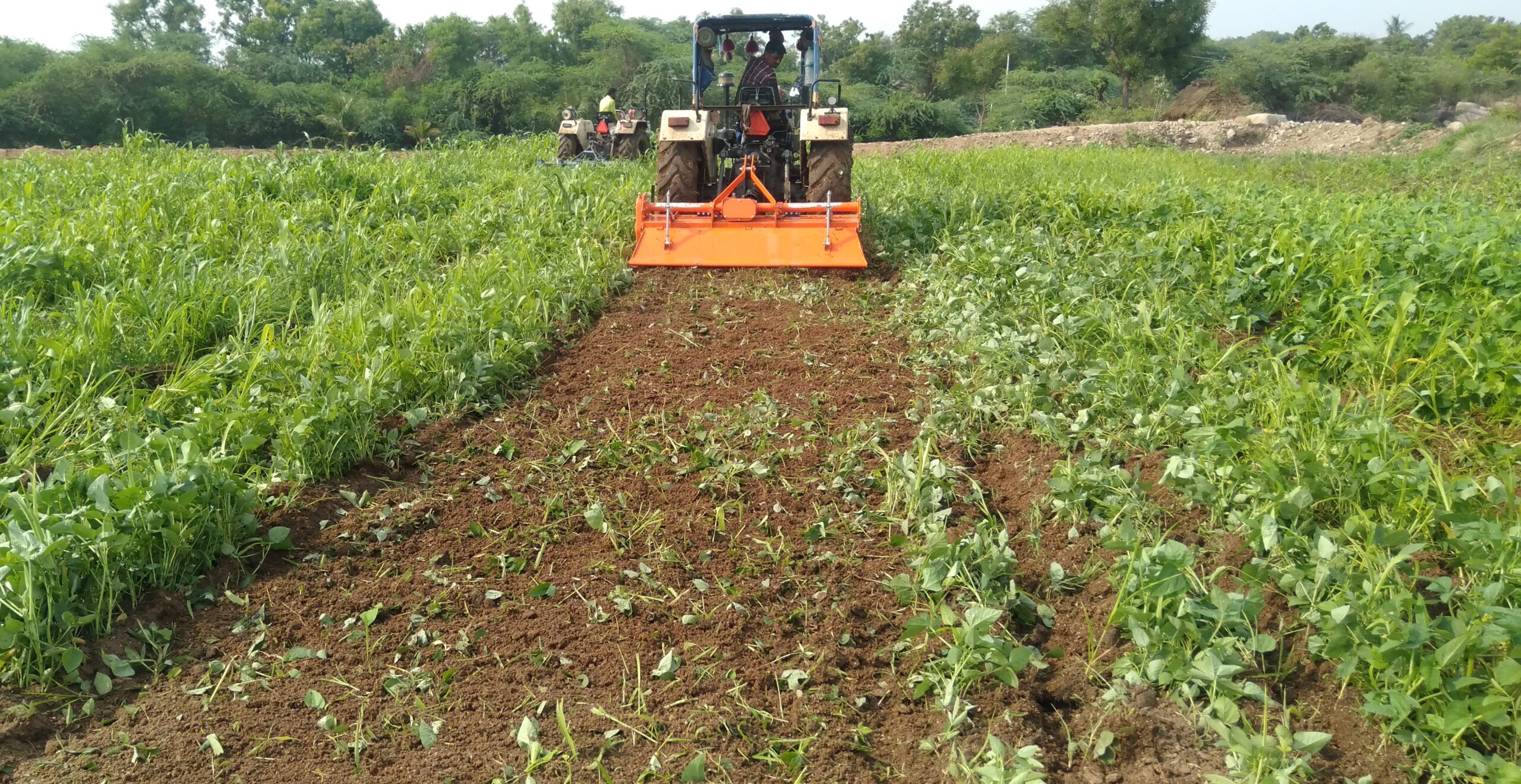
Green manuring requires a window before sowing or during fallow periods. It can be integrated into most cropping systems, irrespective of the main crop. Dhaincha or Sunn hemp are recommended to be seeded at a rate of 20–25 kg per acre, and be allowed to grow for about 45–60 days, when they reach their pre-flowering stage, at which point biomass production and nutrient content are at their peak. At this stage, the crop should be incorporated into the soil. Subsequently, a period of 10–15 days should be given for decomposition before the next crop is sown. This will help ensure proper nutrient release and improve soil conditions for crop establishment.
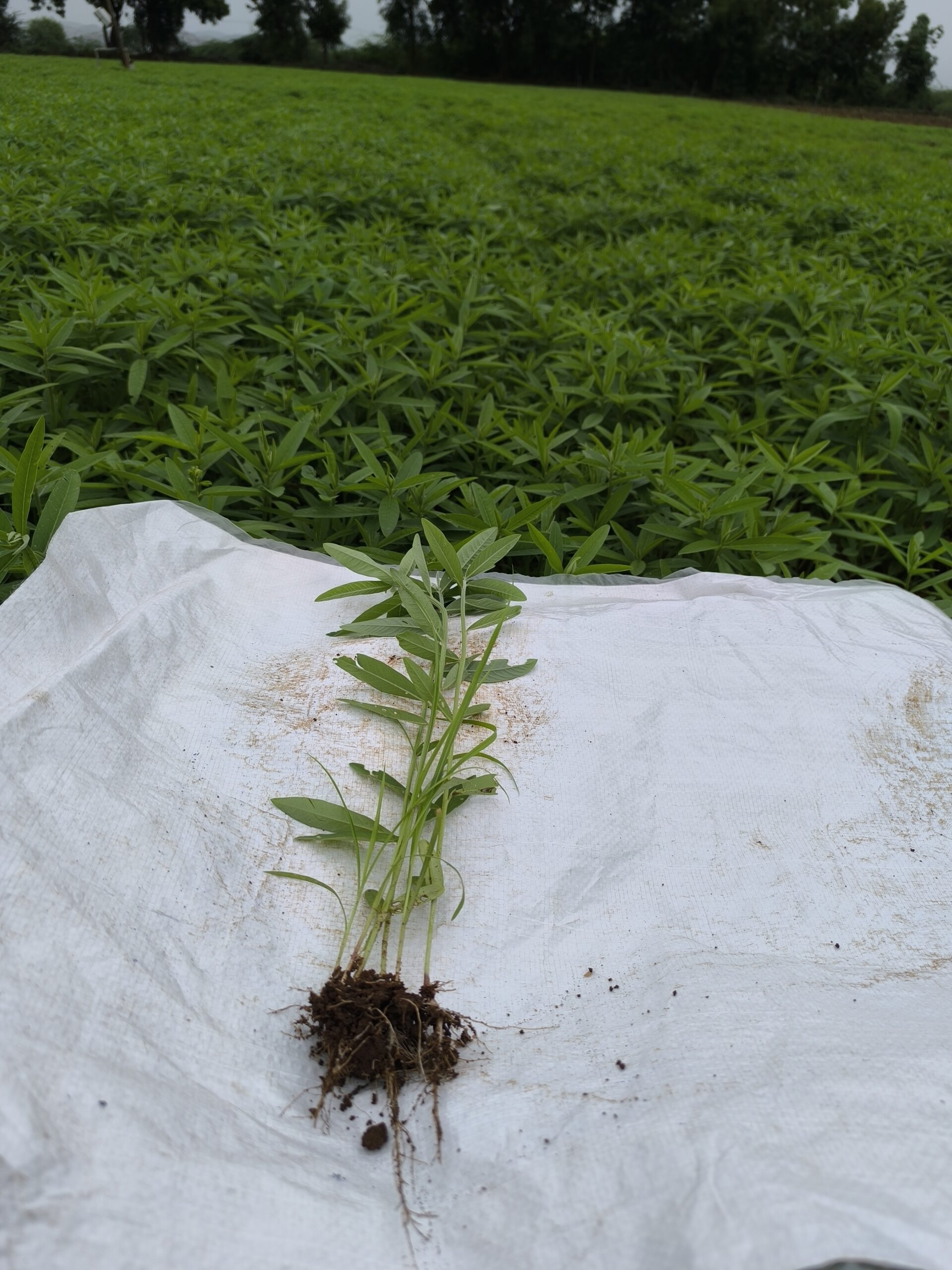
Figure 1: The green-manuring crops should be at least 1–1.5 feet tall before they are incorporated into the soil.
Picture credit: Lokappa Nayak
Green manuring improves soil health (by adding organic matter, increasing nitrogen, and improving soil structure and life), enhances productivity, and promotes sustainable agriculture.
Furthermore, it contributes to soil recovery in multiple ways:
- Improves physical properties: Fresh biomass adds organic matter, improving soil structure, aeration, and moisture retention.
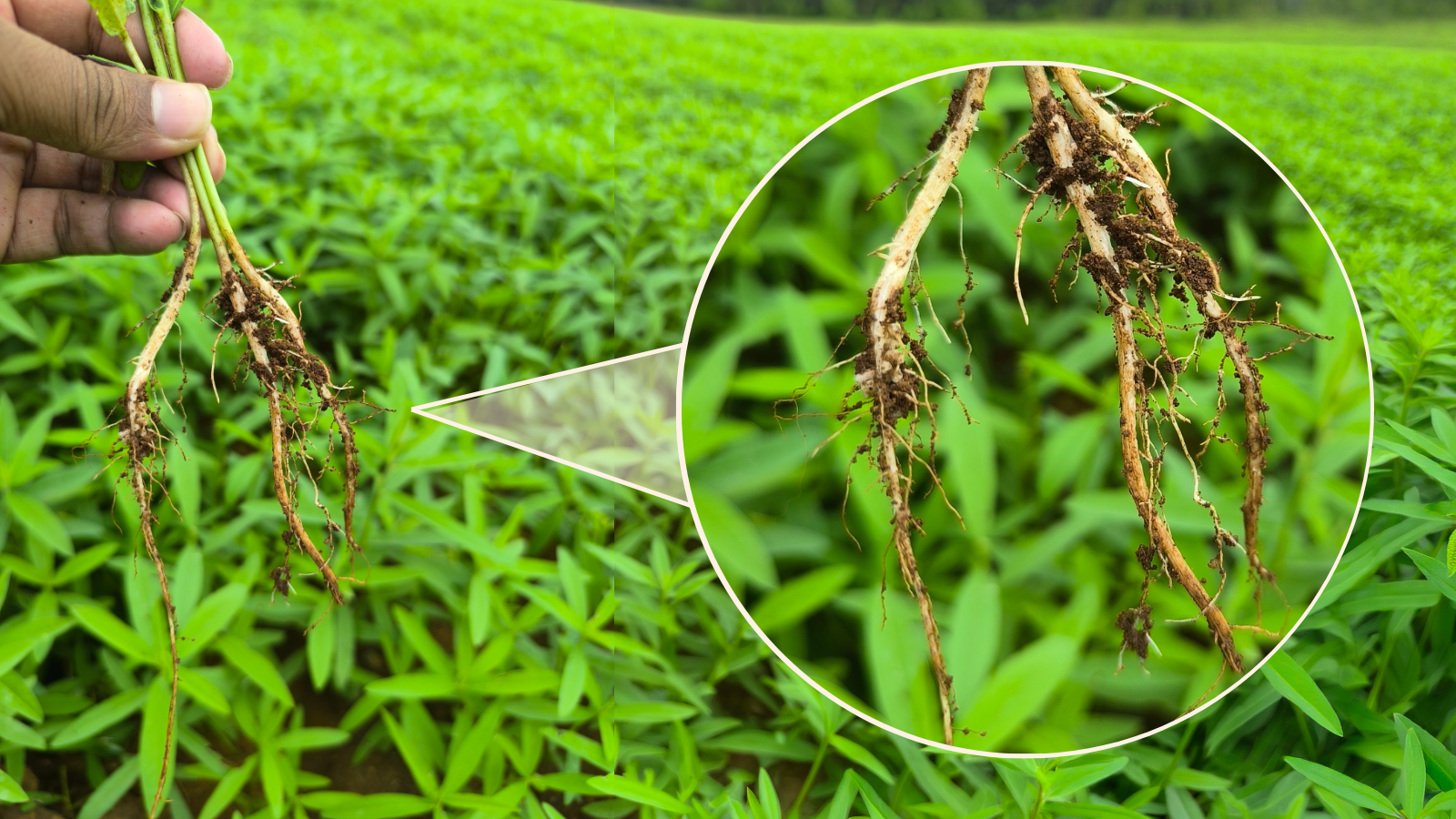
- Fixes nitrogen: Root nodules on leguminous green-manure crops house nitrogen-fixing bacteria, Rhizobium, that enrich soil fertility (Figure 2). The crops contribute between 60 and 90 kg N/ha to the subsequent crop, reducing the need for synthetic nitrogen fertilisers by 25–50% (Sahil et al., 2026).
Figure 2: The root nodules found in green-manuring crops help fix nitrogen in the soil.
Picture Credit: Lokappa Nayak
- Increases nutrient availability: The decomposition process releases organic acids that can lower the alkalinity of the soil and solubilise fixed phosphorus and potassium for plant uptake (Sahil et al., 2026).
- Stimulates microbial activity: Increased organic inputs promotes microbial activity, supporting long term soil functions.
Impact of green manuring
To help farmers enhance cotton cultivation sustainably, WELL Labs, in partnership with Prarambha, a grassroots development organisation, promoted and supported the adoption of green manuring among 38 farmers in Devadurga (Raichur district) and Yelburga (Koppal district).
Seeding Dhaincha and Sunn hemp at the rate of 20 kg per acre, the farmers grew the crops for 45–60 days. Then, at the pre-flowering stage, crops were incorporated into the soil to maximise nutrient release. After allowing 10–15 days for proper decomposition and nutrient availability, the farmers sowed cotton seeds.
The findings demonstrated that green manuring improved soil health and led to measurable gains in cotton growth and yield, confirming that soil condition is a key driver of crop productivity.
Figure 3: Compared to the branch from the control plot (left), the green-manured plot branch (right) exhibits enhanced formation of cotton bolls.

Picture credit: Lopakka Nayak
Malappa S, a farmer from Mukanhal village in Raichur district, practiced green manuring on one acre of his land before planting cotton. His other four acres were left unmanured as a control plot. On his green-manured plot, he grew Dhaincha, and irrigated his field three times via sprinkler: before sowing, after germination, and 15 days after the second irrigation. Comparing one acre each of green-manured and unmanured plots showed that the cotton crop growth and yield attributes improved considerably in the treated field, as shown in Table 1 and Figure 1.
Table 1: Effect of green manuring on average plant parameters in Malappa’s farm.
|
Parameter |
Control Average |
Treatment Average |
|
Plant height (cm) |
77.7 |
99.6 |
|
Leaves per plant |
66.0 |
89.9 |
|
Branches per plant |
13.5 |
14.7 |
|
Bolls per plant |
26.4 |
35.2 |
|
Boll weight (10 bolls, g) |
215 |
300 |
Figure 4: Percentage increase in plant parameters after green manuring.
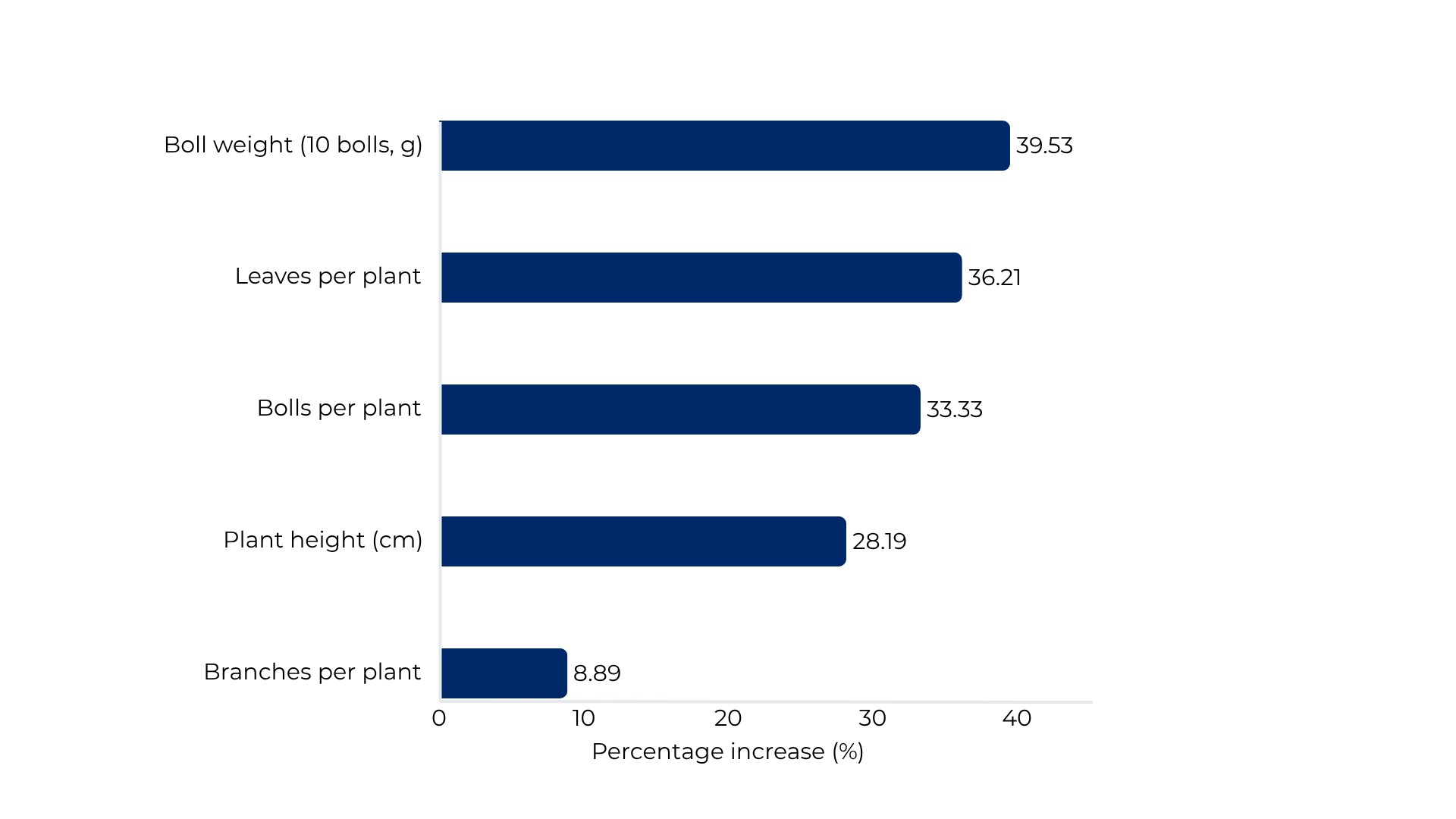
As the Figure and Table above illustrate, green manuring significantly enhanced soil health in Malappa’s field. Plants in green manured plots were taller, had more leaves and branches, and produced more number of, and heavier, bolls. At the end of the season, Malappa obtained a 12-quintal yield of cotton from his green-manured field, compared to the 10-quintal yield from the control field.
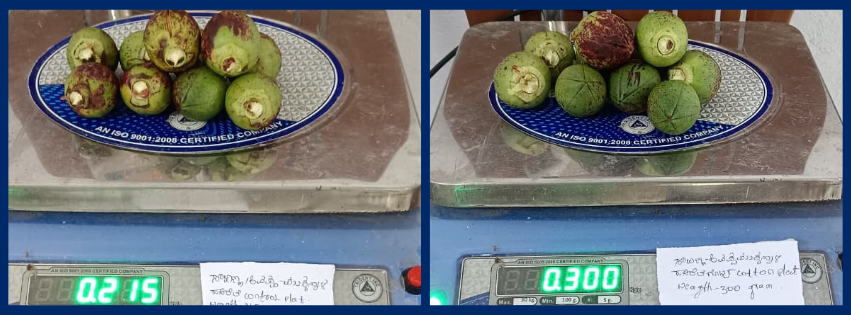
Figure 5: The weights of 10 cotton bolls differ considerably between the plant grown in the control plot (215 grams) and green-manured plot (300 grams).
Picture credit: Dashavanthappa, Prarambha.
These improvements can be attributed to improved nutrient availability, stronger plant architecture, enhanced photosynthesis, and greater nutrient uptake. Beyond cotton, these soil improvements persist, providing residual fertility and improved conditions for succeeding crops in the rotation. Thus, green manuring is a key practice in improving long term soil health and building resilient farming systems.
Practical constraints of green manuring
Despite its many advantages, the adoption of green manuring is constrained by practical field level limitations related to moisture availability, time, input access, and awareness.
Particularly in rainfed and water-scarce regions, crop establishment itself is often unreliable due to uncertain rainfall. Thus, it is challenging for farmers to grow an additional crop. Furthermore, there is a very narrow window between the harvesting of one crop and the sowing of the next, leaving little time for farmers to grow and incorporate the leguminous crops. Additionally, the availability of quality green manuring seeds is limited, further restricting its adoption. A lack of awareness among farmers about the benefits and methods of green manuring compounds these challenges.
The bottom line
Still, green manuring remains a key solution to the problem of deteriorating soil health in regions like Raichur and Koppal, where crop productivity is fundamentally a soil health issue.
It offers a practical pathway to address this challenge by tackling the root causes of low productivity rather than just the symptoms. By adding organic matter, fixing nutrient imbalances, improving soil structure, and stimulating microbial activity, it directly rebuilds the soil system. The increase in yield from Malappa’s green manured plot is evidence of a functional and productive soil.
Ultimately, green manuring is not just an agronomic practice but a shift towards rebuilding soil as a living system.
For small and marginal farmers, this shift is critical, as it reduces dependence on costly external inputs, improves resilience under variable rainfall conditions, and creates more stable and sustainable production systems. Strengthening soil health through practices like green manuring is therefore not optional; it is essential for the future of farming.
Acknowledgements
This work is supported by DCB Bank and CLARE’s CLARITY project. It was conducted in collaboration with Prarambha.
About CLARE
CLARE is a UK-Canada framework research programme on Climate Adaptation and Resilience, aiming to enable socially inclusive and sustainable action to build resilience to climate change and natural hazards. CLARE is an initiative jointly designed and run by the UK Foreign, Commonwealth and Development Office and Canada’s International Development Research Centre. CLARE is primarily funded by UK aid from the UK government, along with the International Development Research Centre, Canada.
About CLARITY
Climate Adaptation and Resilience in Tropical Drylands (CLARITY), a research project under CLARE, is building equitable, sustainable, and climate-resilient development pathways in tropical drylands. This Global South-led project will result in the creation of long-term assets (data and tools) and capacities to achieve transformational change.
Authored by Lokappa Nayak and Ganesh Masnur
Edited by Apuurva Sridharan
Published by Nanditha Gogate
Follow us and stay updated about our work
Related Posts
-
Raichur Land Restoration Pilot: How We Studied the Local Context
-

Field Notes from Sittilingi Valley: How a Farmer Collective Addresses Both Healthcare and Agrarian Distress
The Sittilingi Organic Farmers Association (SOFA) shows how collectives founded on strong community values can benefit small and marginal farmers and the local ecology.
-
Soil Workshop in Raichur: Farmers Keen on New Methods to Rebuild Soils
Around 35 farmers attended the two-day workshop held in Raichur’s Devadurga taluk to learn about how they can test and improve soil quality,
-
Part 1: Journey Mapping to Plan the Future of Mukkanal’s Farmers
Through journey mapping, farmers can have a say in the blueprints of their own progress
-
Part 2: Livelihood Lessons and Insights from Journey Mapping in Mukkanal
A journey mapping exercise gave us a deeper understanding of livelihood patterns, challenges, and the impact of land degradation on households in our land restoration pilot site
-
Explainer: How Green Manure Can Help Degraded Farmlands Sustain Themselves
The traditional agricultural practice of green leaves manure involves creating manure and fertiliser from natural, homegrown plants as sources of various nutrients for soil