
Developing Water-Sensitive Cities in India with Veena Srinivasan
Socio-hydrologist Veena Srinivasan joins Pavan Srinath on The WELL Labs Show to explain what it means to build water-sensitive cities in India – cities that understand water not just as something delivered through pipes, but as a larger system of groundwater, rainwater, stormwater, wastewater, lakes and rivers.
The episode begins with a simple but important question: as Indian cities grow, is it inevitable that they must go farther away for water? Veena explains how urban water demand changes as agricultural land becomes peri-urban layouts and eventually dense apartment neighbourhoods. At low densities, local wells, tanks and aquifers may be enough. But as cities densify, local recharge is often no longer sufficient to meet demand, forcing cities to depend on distant rivers and reservoirs.
The conversation then explores a central challenge in urban India: water supply usually arrives long before sewage treatment. Homes, layouts and apartments find ways to access water immediately, often through borewells or tankers, while sewerage and wastewater treatment may arrive years or decades later. By then, local drains, lakes and groundwater may already be contaminated, making cities more dependent on faraway “clean” water sources.
Veena argues that this model is increasingly expensive, energy-intensive and ecologically damaging. Every city is upstream of another city, and when urban areas fail to treat wastewater, they contaminate water sources for people downstream. At the same time, many Indian cities continue to rely heavily on local groundwater, lakes and stormwater systems – even when official planning and data systems focus mainly on piped supply.
The episode looks at what a water-sensitive city would do differently. It would treat wastewater as a resource, not just a problem. It would support decentralised sewage treatment and reuse, especially in large apartment complexes. It would design rainwater harvesting strategies based on local geography — recognising that Bengaluru, Chennai and coastal cities require different approaches. It would manage stormwater and lakes not only for flood control, but also for recharge and non-potable water use. And crucially, it would collect better data on groundwater, sewage, stormwater and local water balances.
Drawing on examples from Bengaluru, Chennai, Tamil Nadu towns, Delhi, San Francisco and other cities, Veena makes the case that Indian cities must move beyond a narrow “pipes and taps” view of water. A water-sensitive city is one that sees all its water sources together, invests in treatment and reuse, measures what is currently invisible, and manages local water systems as part of long-term urban resilience.
Veena Srinivasan is leading WELL Labs’ mission to transform scientific research into real-world impact by designing solutions that simultaneously create livelihoods and conserve the environment. In 2022, she was listed as one of the top-cited scientists in the world.
Pavan Srinath is the Managing Partner for Communications and Development at WELL Labs. Pavan is a communications and public policy professional who has spent over 14 years working in Bangalore’s not-for-profit sector.
This episode is essential viewing for anyone interested in urban water security, groundwater, wastewater reuse, rainwater harvesting, stormwater management, lake rejuvenation, city planning, climate resilience and the future of Indian cities.
Resources:
- Veena Srinivasan: LinkedIn, WELL Labs Website
- Pavan Srinath: LinkedIn | WELL Labs Website
- Urban Water Programme | WELL Labs
- Explainer | How Can We Solve Bengaluru’s Water Crisis?
- Where Does Bengaluru Get Water from?
- How Water Flows Through Bengaluru: Urban Water Balance Report – WELL LABS
- Preparing for Bengaluru’s Next Water Crisis with Gayathri Muraleedharan and Veena Srinivasan
- Soak Up the Rain: How a ‘Sponge City’ Makes Urban Areas Climate Resilient – WELL LABS
- Building Climate-Resilient Cities with Nature-Based Solutions
- Incorporating Nature-Based Solutions to Manage Flooding: Transforming Bengaluru’s Manyata Tech Park
- Grey to Blue: What Can Bengaluru Learn From Chennai on Tertiary Treatment of Wastewater
- Lake Rejuvenation Can Resolve Urban Water Issues, But Only if Done Scientifically
- Wastewater Treatment Water Use – USGS Water Science School
- Water Quality and Wastewater
The WELL Labs Show features rich conversations on water, environment, land and livelihoods, from the people and partners of WELL Labs. Hosted by Pavan Srinath, each episode explores complex environmental and social issues and helps you understand systems and dynamics better.
Subscribe to The WELL Labs show on the WELL Labs YouTube channel.
Recording by Nabina Chakraborty, Anukriti Shaw, and Kanishka Goyal
Video editing by Ranjith Kumar S
Graphics and artwork by Kanishka Goyal and Aparna Nambiar
Podcast production and management by Nabina Chakraborty and Pavan Srinath
Follow us to stay updated about our work
Related Posts
Related Posts
-
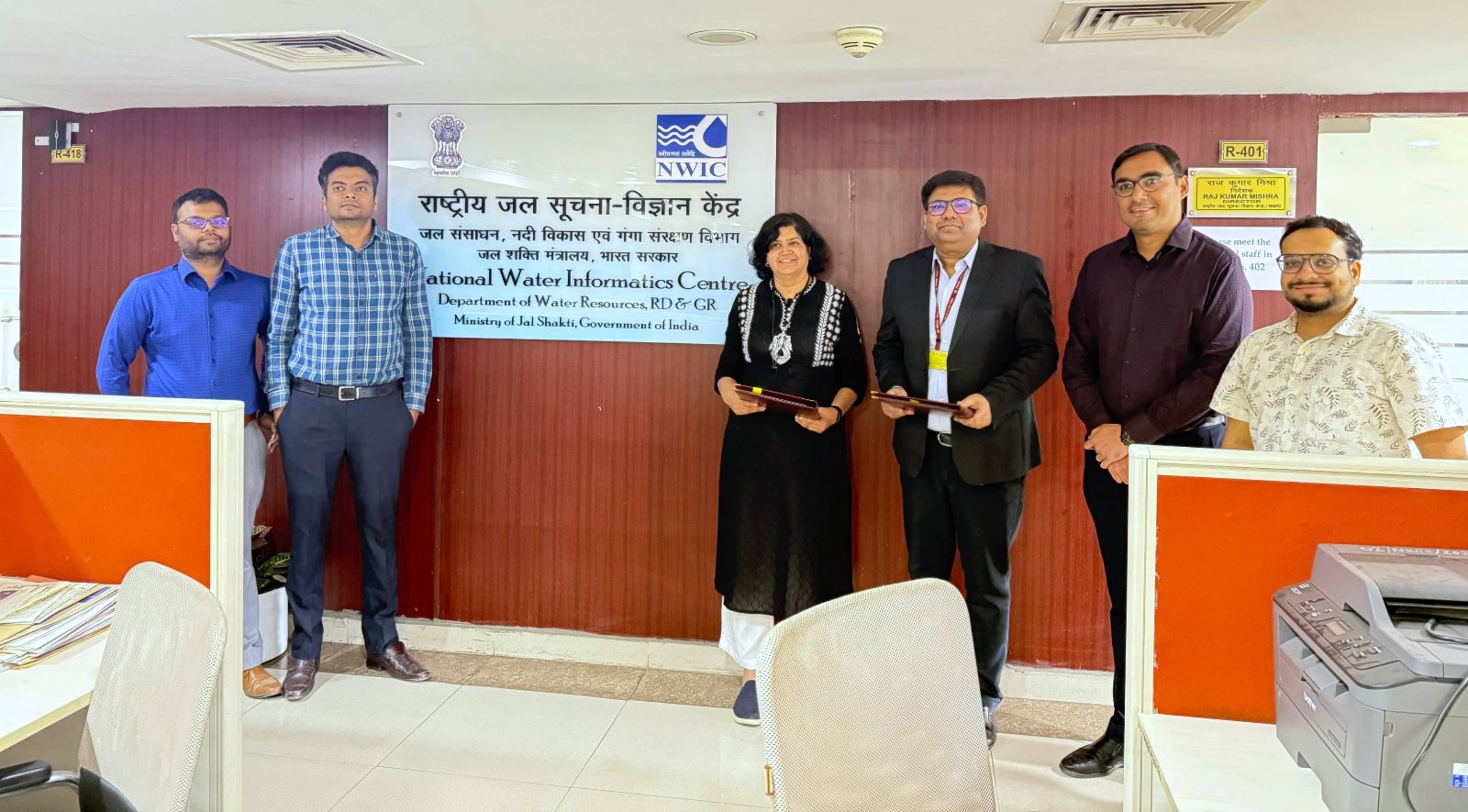
WELL Labs signs an MoU with the National Water Informatics Centre, Ministry of Jal Shakti
This partnership is a significant step toward enhancing water data ecosystem of India.
-

WELL Labs’ Values: Fostering Deep Empathy, Problem-First Thinking, and Scientific Excellence, Among Others
Learn more about the values the WELL Labs team aims for in its work of transforming water systems across India
-

Welcome Back to The Water Data Podcast!
The Water Data Podcast is a talk show on the science, systems, and stories of water hosted by Veena Srinivasan. Every other Tuesday, sit down and listen to researchers, innovators, government offic...
-
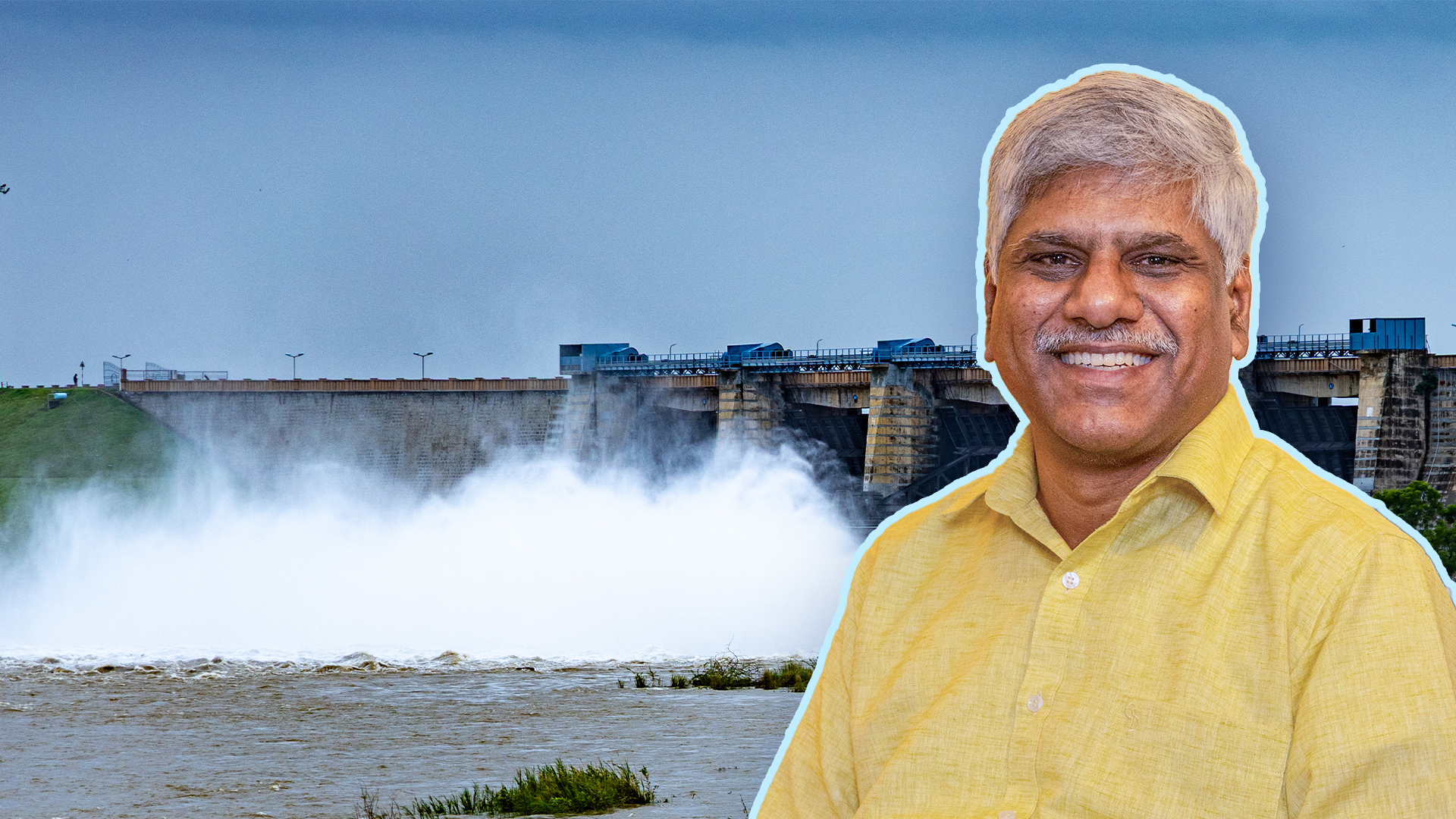
Governing Water Resources with Dr Somasekhar Rao
Dr Somasekhar Rao has a wide-ranging discussion with host Veena Srinivasan on the first episode of Season 2 of the Water Data Podcast.
-
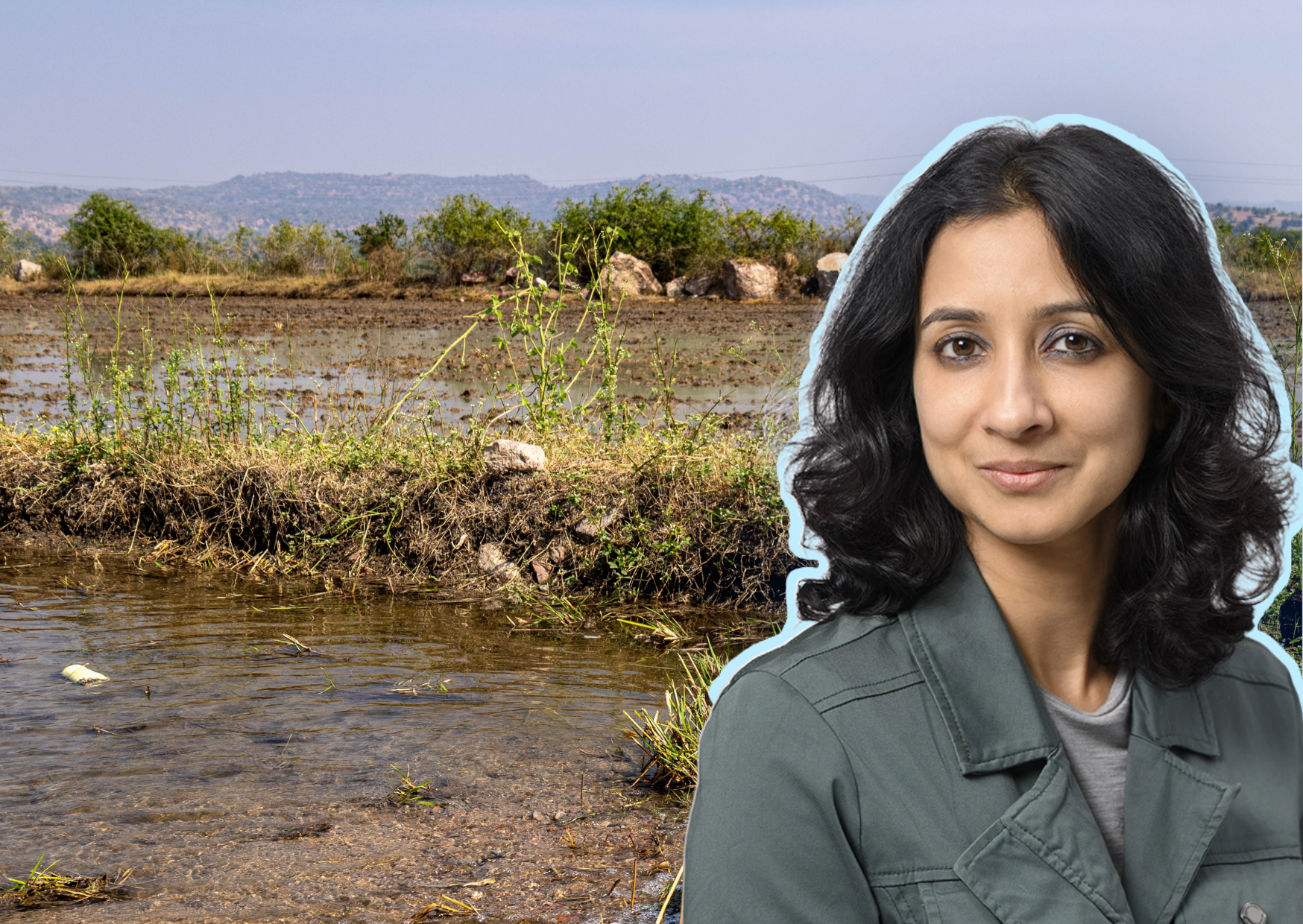
Groundwater and Markets with Dr Soumya Balasubramanya
Dr Soumya Balasubramanya has a wide-ranging discussion with host Veena Srinivasan on the second episode of Season 2 of the Water Data Podcast.
-
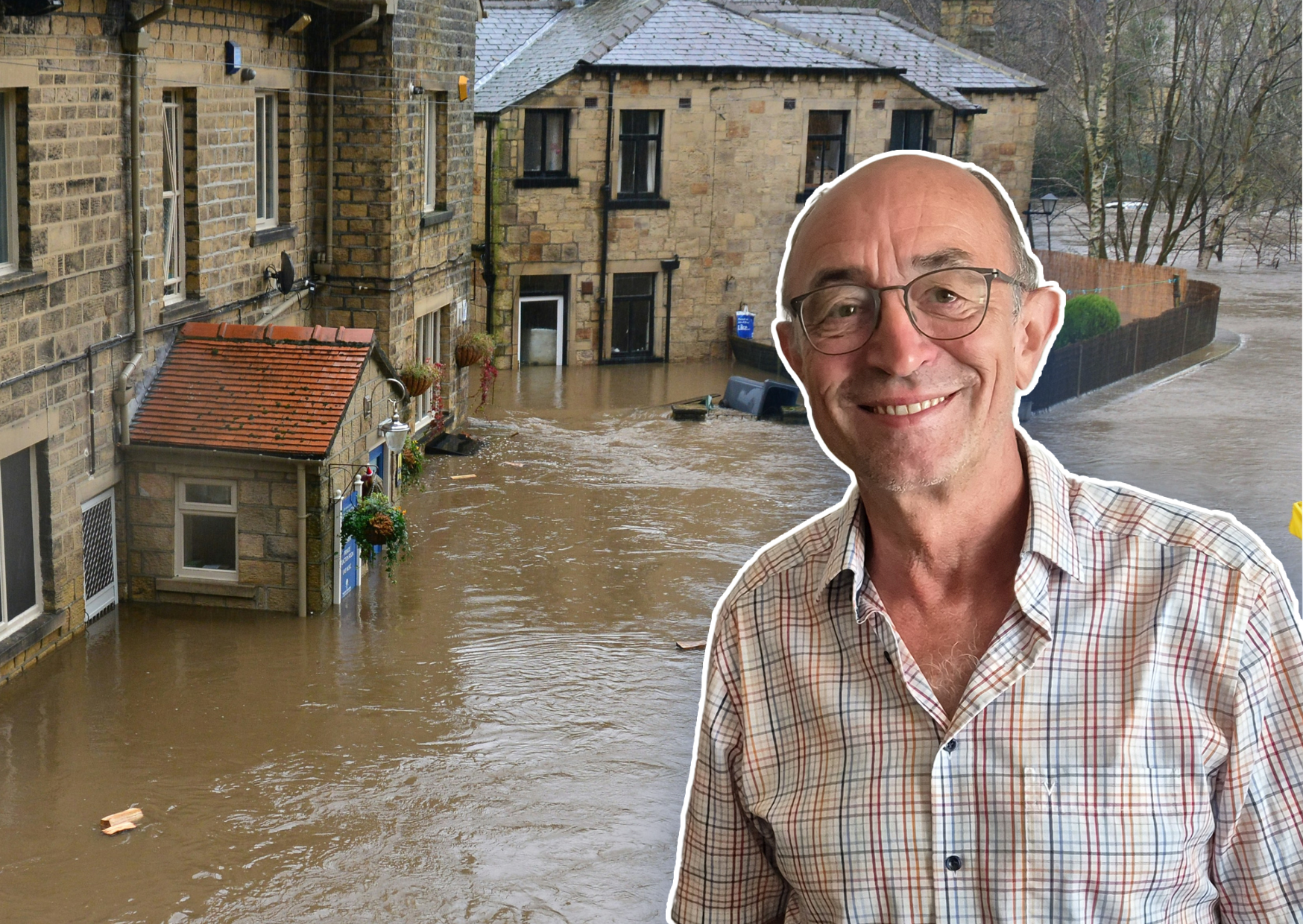
Flood Science and Management with Dr Günter Blöschl
Stockholm Water Prize 2025 winner Dr Guenter Bloeschl shares a masterclass on the science and management of floods on the third episode of Season 2 of the Water Data Podcast